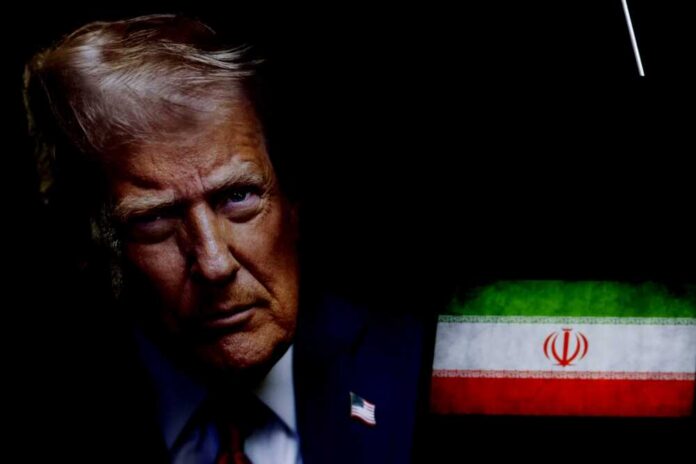
Trump’s 48-hour ultimatum to Iran puts America’s energy security on a knife-edge as a hostile regime squeezes a chokepoint that moves roughly a fifth of the world’s oil and LNG.
Quick Take
- President Trump demanded Iran fully reopen the Strait of Hormuz within 48 hours, warning Iran’s power infrastructure could be targeted if the blockade continues.
- Iran’s blockade has pushed tanker traffic near zero in a waterway that typically carries 20–25% of global oil flows, amplifying economic and inflation fears.
- U.S. strikes reportedly degraded Iranian naval and air capabilities, but the Strait remains effectively closed, highlighting the limits of military success without sea-lane control.
- Trump has also floated “winding down” the war while pressing other nations to shoulder maritime security—after allies rebuffed earlier calls to deploy forces.
Ultimatum Raises the Stakes From Military Targets to Power Infrastructure
President Donald Trump issued a 48-hour ultimatum on March 20, 2026, demanding Iran reopen the Strait of Hormuz and warning that continued obstruction could bring attacks on Iran’s power infrastructure, including major power plants. The threat marks an escalation from the campaign’s focus on military and maritime targets toward pressure that could affect civilian life through electricity disruption. The deadline landed as the U.S.-Iran conflict entered its third week with no clear end in sight.
Iran’s leverage is straightforward: mines, missiles, drones, and harassment of shipping can shut down a narrow, 21-mile-wide chokepoint faster than major powers can reassure global markets. Reports cited a near-total halt of tanker traffic and broader disruption across Gulf energy routes. Even if U.S. forces destroy platforms and launch sites, reopening commercial lanes requires persistent clearance operations, defensive coverage, and political buy-in from shipping companies that must decide whether insurers and crews will accept the risk.
Why the Strait of Hormuz Matters to U.S. Families and Inflation
The Strait of Hormuz is not an abstract foreign-policy talking point for Americans—it is a direct input into gasoline prices, household budgets, and the broader cost of living. The Strait is carrying roughly 20–25% of global oil each day, along with significant LNG volumes. When that flow freezes, markets react with higher risk premiums and volatility, and U.S. consumers feel it quickly through energy and shipping costs that ripple into groceries and goods.
That economic reality helps explain why the administration is pressing for immediate reopening rather than a slow, symbolic “mission accomplished.” The Gulf producers cutting output and traders facing an energy shock while shipping stalls. Conservatives who watched years of inflation tied to overspending and weak deterrence understand how fast a foreign crisis can worsen domestic pain. The Strait crisis adds a hard external pressure on top of whatever fiscal choices Congress makes at home.
Military Gains, Strategic Dilemma: Winning Fights Without Clearing the Waterway
Several accounts describe U.S. strikes that damaged Iran’s naval and air capabilities and hit multiple targets, including operations linked to Kharg Island, a hub associated with Iranian oil exports. The dilemma is that success against Iran’s platforms does not automatically reopen a mined, threatened corridor that requires constant protection. This also referenced U.S. Marines deploying in significant numbers, with discussions of expanded operations still unresolved as the deadline approached.
Axios reporting cited internal debate: the White House weighing escalation versus limiting objectives, even as the Strait remains blocked. That tension is politically and strategically familiar—Americans want security for vital trade routes, but they also distrust open-ended commitments. In practical terms, the Strait cannot be “secured” by headlines; it takes sustained naval work, coalition participation, and deterrence that convinces Iran its blockade will fail and convinces shippers their vessels will not become targets.
Allies Rebuffed: The Burden-Sharing Problem Returns
Trump previously called on allies to deploy forces to help secure the Strait, but this indicates that NATO and China did not accept the demand. That leaves a familiar picture: the United States expected to absorb the costs and risks of maintaining global commerce while other major players hesitate. For conservatives who have criticized globalism’s one-way street—America pays, others benefit—this episode reinforces why burden sharing is not a slogan but a core national-interest issue.
Trump’s more recent comments, as reported, included the possibility of “winding down” the war while urging others to guard the Strait after the U.S. degrades the threat. That approach would shift from immediate policing to longer-term deterrence and coalition pressure. The biggest unknown is timing: the ultimatum created a clear window for Iran to respond, but this does not confirm an outcome by the deadline or provide evidence that the Strait reopened.
Sources:
Trump issues 48-hour ultimatum to Iran as Strait of Hormuz blockade persists
Trump winding down Iran war Hormuz Strait
Trump Strait of Hormuz Iran war oil prices economy