A Russian oil tanker is testing Trump’s resolve in our own hemisphere while the administration maintains a Cuba embargo that’s intensifying fears we’re being dragged into yet another conflict that doesn’t serve American interests.
Story Snapshot
- Reports of Trump allowing Russian tanker to dock in Cuba are false; embargo remains fully intact despite claims of policy reversal
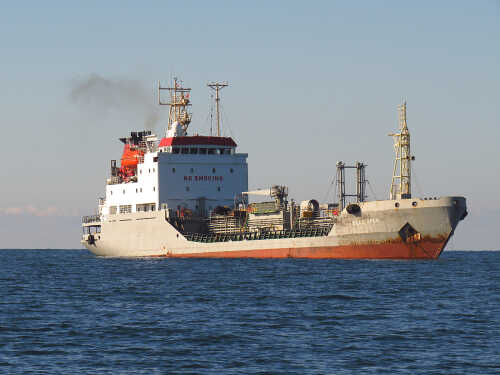
- Sanctioned Russian vessel Anatoly Kolodkin approaches Cuba as geopolitical provocation while U.S. Navy prepares potential intercept
- Cuba faces total energy collapse after Trump cut Venezuelan and Mexican oil supplies, triggering widespread blackouts
- Treasury excluded Cuba from Russian oil sanction waiver despite easing global restrictions to address Iran war energy crisis
False Reports Obscure Ongoing Cuba Blockade
No credible evidence supports claims that President Trump changed his Cuba strategy to permit Russian oil deliveries. The U.S. Treasury Department explicitly excluded Cuba from a temporary waiver on Russian oil sanctions issued in late March 2026, maintaining the strictest oil blockade since the 1962 Cuban Missile Crisis. The sanctioned Russian tanker Anatoly Kolodkin continues approaching Cuban waters without U.S. permission, creating a dangerous standoff that risks escalation while Americans already pay higher energy costs from the Iran war. This mirrors frustrations over endless foreign entanglements that drain resources while working families struggle with inflation.
Russian Provocation Tests American Resolve
Russia dispatched the Anatoly Kolodkin, a vessel under U.S., EU, and UK sanctions, carrying crude oil toward Cuba’s Matanzas port with an expected arrival in late March 2026. The Kremlin framed the shipment as humanitarian aid to alleviate Cuba’s energy crisis, but experts including former U.S. Ambassador to Havana Lawrence Gumbiner characterized it as a deliberate provocation testing Trump’s commitment to hemispheric dominance. U.S. naval assets reportedly shadowed the tanker, with Navy and Coast Guard interception considered likely. The move parallels Soviet challenges during the Cold War, raising concerns about another unnecessary confrontation diverting attention from domestic priorities like border security and economic recovery.
Cuba Energy Crisis Stems From Severed Oil Lifelines
Cuba’s power grid collapsed into multiple blackouts after Trump halted Venezuelan oil shipments following Maduro’s arrest in January 2026 and blocked Mexican Pemex deliveries in February. Cuba’s last crude oil import arrived January 9, 2026, leaving the island desperate for fuel to power infrastructure serving 11 million people. The administration warned Cuba to “make a deal” or face a “friendly takeover,” rhetoric that alarms constitutional conservatives who question why American military might should threaten regime change 90 miles from Florida while our southern border remains porous. A second tanker, the Sea Horse carrying 200,000 barrels of diesel, diverted to Venezuela after stalling, further tightening Cuba’s energy stranglehold.
Sanctions Policy Raises Questions About Strategic Priorities
The Treasury Department eased sanctions on Russian oil globally to stabilize markets strained by the Iran war but carved out Cuba as the sole exception, demonstrating the blockade’s political rather than purely economic motivation. This selective enforcement occurs while American consumers face surging energy costs from a Middle East conflict many MAGA supporters never wanted. The administration’s focus on Cuba’s 90-mile proximity contrasts with reluctance to secure our own 2,000-mile southern border, where illegal immigration continues undermining national sovereignty. Maritime analysts noted Russia’s bold use of sanctioned “shadow fleet” vessels precisely when U.S. sanctions eased elsewhere signals coordinated testing of American resolve at a moment of strategic overextension.
The standoff exposes deeper frustrations with interventionist policies that prioritize foreign confrontations over American energy independence and constitutional governance. Trump’s second-term promise to avoid new wars rings hollow as the Iran conflict drives oil volatility, Russia probes Western Hemisphere boundaries, and Cuba policy risks military escalation. Former Trump officials told Politico the tanker serves as a “negotiating chit” designed to force overreaction, yet the administration appears poised to take the bait. Conservatives who supported Trump’s America First agenda in 2016 and 2024 now watch resources flow toward maintaining embargoes and projecting power abroad while domestic problems—inflation from reckless spending, constitutional erosion, and energy costs—demand urgent attention at home.
Sources:
The Russian oil tanker playing chicken with Trump over Cuba – Politico
U.S. temporarily lifts sanctions on Russian oil – Miami Herald