The death of Iran’s Supreme Leader Ali Khamenei in US-Israeli strikes has prompted exiled Crown Prince Reza Pahlavi to declare the Islamic Republic finished and unveil a detailed roadmap for democratic transition that could reshape the Middle East.
Story Snapshot
- Reza Pahlavi declares Islamic Republic “consigned to dustbin of history” following Khamenei’s death in coordinated strikes
- Crown Prince unveils “Iran Prosperity Project” calling for referendum-based constitution, supervised elections, and peaceful transition
- Plan includes ending nuclear weapons program, recognizing Israel through “Cyrus Accords,” and halting terrorism sponsorship
- President Trump praises strikes but expresses uncertainty about Pahlavi’s viability as Iran’s future leader
- Regime forced to import 5,000 foreign fighters after Iranian security forces refused to suppress over 30,000 protesters
Historic Opportunity for Iranian Freedom
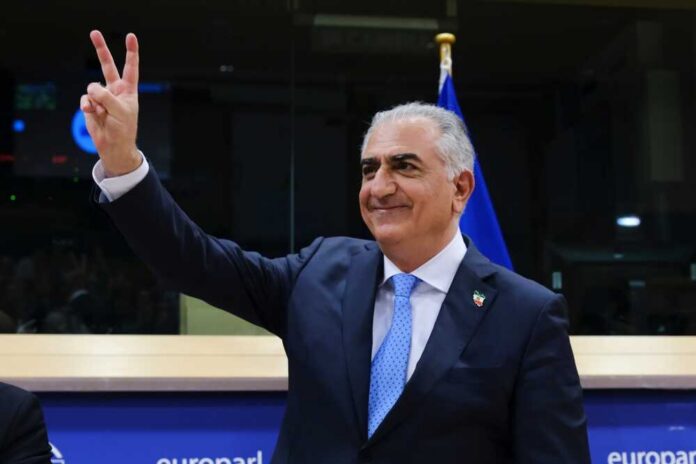
Reza Pahlavi, son of Iran’s last Shah overthrown in 1979, announced that Supreme Leader Ali Khamenei’s death marks the Islamic Republic’s definitive end. The crown prince published his “Iran Prosperity Project” immediately following early Saturday strikes that targeted Iranian military and nuclear facilities near Khamenei’s office. Pahlavi declared on social media that the regime has been “erased” and warned any successor appointments would lack legitimacy. His detailed plan proposes a referendum-based constitutional drafting process, internationally supervised elections, and a peaceful transition to democracy. The announcement represents decades of opposition work culminating in what Pahlavi characterizes as Iran’s liberation moment.
Trump Strikes Enable Transition Plans
President Trump authorized the coordinated US-Israeli strikes that killed Khamenei, earning praise from Pahlavi who called them a catalyst for Iranian freedom. The crown prince emphasized that ultimate victory belongs to the Iranian people, not external forces, while crediting Trump’s action as enabling liberation. However, Trump expressed caution in a Reuters interview, calling Pahlavi “very nice” but questioning whether Iranians would accept his leadership. The president noted this is “an interesting time” without guaranteeing regime collapse or endorsing Pahlavi specifically. Trump has no current plans to meet with the exiled prince despite supporting Iranian freedom rhetorically, reflecting measured US policy toward post-Khamenei Iran.
Comprehensive Vision for Democratic Iran
Pahlavi’s Washington Post op-ed detailed the “Cyrus Accords,” proposing regional peace agreements including Israel recognition and normalized relations with Western nations. His vision calls for ending Iran’s nuclear weapons program, halting terrorism sponsorship across the Middle East, and releasing billions in frozen assets to rebuild the economy. The plan emphasizes secularism, protecting freedom of faith and ideology, and ending discrimination against ethnic and religious minorities. Pahlavi pledged to respect the Iranian people’s choice through free referendum, explicitly rejecting any claim to power not granted by citizens. His approach unites monarchists, republicans, liberals, and leftists around shared principles of integrity, individual liberties, and self-determination rather than imposing monarchical restoration.
Regime Collapse Accelerates Amid Defections
The Islamic Republic’s foundation crumbled as domestic security forces refused orders to suppress mass protests, forcing the regime to import 5,000 foreign fighters from Afghanistan, Iraq, and Lebanon. Pahlavi’s 60 Minutes interview on March 3 highlighted this critical weakness, noting the regime cannot sustain itself without external military support. He urged Iranian military and security personnel to defect, offering an “exit strategy” for those without “blood on their hands” to participate in peaceful transition. The regime’s 2026 massacre of over 30,000 protesters demonstrated its desperation and brutality. Pahlavi called for Iranians to take to the streets, asserting that unified public action would topple remnants attempting to appoint Khamenei’s successor and finalize the regime’s collapse.
Regional Stability Hinges on Iranian Transformation
A democratic Iran would fundamentally reshape Middle Eastern geopolitics by ending decades of terrorism sponsorship, nuclear threats, and regional destabilization. Pahlavi’s plan promises sanctions relief and economic prosperity for Iranian citizens suffering under decades of mismanagement and international isolation. The proposed Cyrus Accords could establish Iran as a stability pillar combating radicalism, drug trafficking, and organized crime rather than sponsoring proxy conflicts. Recognition of Israel and normalization with the United States would integrate Iran into the regional and global order. Short-term implications include potential mass protests, military defections, and collapse of remaining regime structures. Long-term success depends on whether opposition groups can maintain unity and whether the Iranian people embrace democratic transition over alternative authoritarian models or continued chaos.
Sources:
Exiled Iranian prince unveils vision for a democratic, pro-peace Iran