A sudden emergency landing of a JetBlue flight exposes serious questions about airline safety and regulatory oversight in post-Biden America, with passengers injured and federal investigations underway.
Story Highlights
- JetBlue Airbus A320 en route from Cancun to Newark experienced a major altitude drop, forcing an emergency landing in Tampa.
- Multiple passengers sustained injuries and required hospital care; FAA and JetBlue have
- launched investigations.
The incident occurred in calm weather, raising concerns about mechanical or flight control failures. - Industry experts cite the rarity of such events and highlight the importance of robust safety protocols and oversight.
Emergency Landing Highlights Systemic Safety Concerns
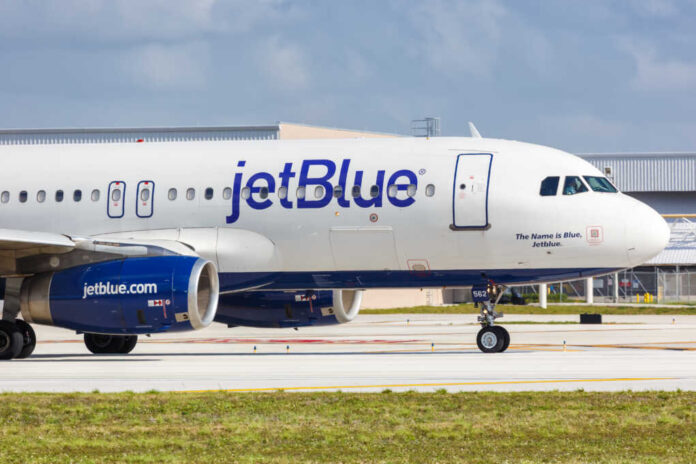
On October 31, 2025, a JetBlue Airbus A320 traveling from Cancun, Mexico, to Newark, New Jersey, experienced a sudden loss of altitude, triggering an in-flight emergency. The pilot reported a flight control issue and requested medical equipment upon landing. The flight diverted to Tampa, Florida, where emergency responders met the aircraft and evaluated injured passengers. Several were transported to local hospitals for treatment. The incident immediately prompted investigations by JetBlue and the FAA into the cause of the sudden altitude loss, with the aircraft grounded for inspection.
JetBlue flight makes emergency landing after plane loses altitude, passengers injured https://t.co/GVskX3m30u
— WORLD LEADER 1 ARTHUR GEORGE CARTER (@ARTHURGCARTER1) November 1, 2025
JetBlue Airways, a major U.S. low-cost carrier, operates a large fleet of advanced Airbus A320 family aircraft. While emergency landings due to in-flight anomalies remain rare, such events are a critical focus of aviation safety protocols. The flight’s sudden loss of altitude during cruise, in calm weather, ruled out turbulence as an immediate cause and redirected attention to possible mechanical or flight control system failures. Notably, previous JetBlue incidents, such as the June 2025 runway overrun in Boston, highlight the importance of stringent safety systems and oversight for modern aircraft.
Regulatory and Airline Response Reflect Heightened Accountability
Following the emergency landing, JetBlue removed the affected aircraft from service for a comprehensive inspection and announced a full investigation into the incident. The FAA, as the responsible regulatory body, launched its own inquiry. JetBlue publicly stated that customer and crew safety is the airline’s top priority, pledging to fully support those involved and work to determine the cause. The FAA confirmed its investigation and coordination with JetBlue, emphasizing the need for transparency and accountability. The aircraft remains grounded, with flight data and cockpit voice recorders expected to provide crucial evidence for investigators.
The timeline of events underscores rapid response and ongoing efforts: the emergency landing occurred on October 31, followed by immediate medical evaluations and aircraft inspection. By November 1, both JetBlue and federal authorities were actively investigating, releasing public statements to reassure passengers and the broader community. These actions reflect the Trump administration’s push for heightened safety standards and regulatory vigilance in the transportation sector.
Stakeholder Impact and Broader Industry Implications
Passengers and crew experienced significant disruption, including medical treatment and travel delays. JetBlue faces operational challenges, reputational risks, and potential legal consequences as investigations proceed. For affected families and staff, the incident raises concerns about airline accountability and safety transparency. In the short term, costs related to medical care and aircraft inspection are expected to impact JetBlue’s operations. Long-term, findings from the investigation may drive regulatory changes or prompt broader reviews of flight control systems, especially for the Airbus A320 fleet.
Industry experts note that a sudden altitude loss attributed to a flight control issue may indicate autopilot disengagement or a mechanical anomaly. Aviation analysts emphasize the role of flight data and cockpit voice recorders in clarifying the cause. Despite the rarity of such incidents with modern aircraft, aviation safety professionals stress the importance of robust emergency protocols, especially when mechanical failure cannot be ruled out. The public’s heightened awareness of aviation safety aligns with conservative calls for stronger oversight and diminished tolerance for regulatory complacency.
Federal Oversight and Conservative Priorities
The FAA’s swift investigation and JetBlue’s proactive response reflect the Trump administration’s broader commitment to American safety and regulatory enforcement. Conservative priorities—such as protecting citizens, promoting accountability, and preventing government overreach—are evident in the handling of this incident. The Trump administration has consistently advocated for rigorous standards and enforcement in public safety domains, rejecting previous lax approaches that put American lives at risk. This event reinforces the need for vigilant oversight and common-sense policies that prioritize safety and transparency, especially for critical infrastructure like aviation.
Watch the report: JetBlue flight makes emergency landing after plane loses altitude, passengers injured
Sources:
At least 15 people sent to hospital after JetBlue flight drops altitude, forcing emergency landing in Florida, officials say | CNN
JetBlue passengers taken to hospital after emergency landing in Florida
Drop in altitude on JetBlue flight that forced emergency landing injured at least 15, officials say
NBC News via iHeart/FOX Sports
ABC News video coverage