A new U.S. military strike in the Caribbean, which resulted in three fatalities and labeled the victims as “narco-terrorists” without public evidence, has intensified global scrutiny over the legality and morality of the Trump administration’s anti-drug campaign. This latest operation marks the 15th strike since September 2025, bringing the death toll to at least 65. The policy of using lethal force without judicial process is escalating tensions with regional governments and raising serious questions about U.S. adherence to international law and due process.
Story Highlights
- The latest U.S. strike in the Caribbean killed three men, labeled as “narco-terrorists.”
- This marks the 15th strike since September under President Trump’s directive.
- The U.S. provided no evidence to support the “narco-terrorist” claims.
- International scrutiny mounts over the legality of these extrajudicial strikes.
U.S. Military Strikes in the Caribbean: A Rising Concern
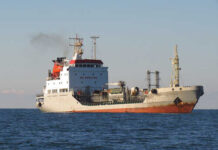
On November 1, 2025, the U.S. military executed a strike on a small boat in the Caribbean Sea, resulting in the deaths of three individuals. According to U.S. Secretary of Defense Pete Hegseth, the victims were identified as “narco-terrorists,” though no evidence has been publicly disclosed to substantiate this claim. This strike is part of a broader initiative initiated by President Trump, aimed at combating maritime drug trafficking.
"At least 3 people are killed in the latest U.S. strike on a boat in the Caribbean Sea, Hegseth says." by Carol Rosenberg via NYT https://t.co/q5qt1EZIiu pic.twitter.com/89vQcA5wAI
— 🌊💙 Viking Resistance 💙🌊 (@BlueCrewViking) November 2, 2025
This operation marks the 15th strike since September 2025, bringing the total death toll to at least 65. The campaign has intensified U.S. military actions in Latin American waters, drawing significant attention and criticism from international observers and human rights organizations.
Legal and Diplomatic Implications
The use of remote-controlled drone strikes on suspected drug traffickers’ boats represents a notable escalation in U.S. anti-drug operations. Historically, the U.S. has engaged in interdiction and arrests at sea, but the current approach involves lethal force without judicial process or public evidence. Critics argue that this strategy raises serious concerns regarding international law and due process.
The lack of transparency and evidence for labeling the victims as “narco-terrorists” has led to increased scrutiny. International bodies and regional governments, including those of Venezuela, Colombia, and Trinidad and Tobago, are closely monitoring these actions. Diplomatic tensions are mounting, with regional leaders questioning the legality and morality of these strikes.
Impact on Regional Stability and U.S.-Latin America Relations
The ongoing U.S. military operations in Latin American waters could have far-reaching implications. In the short term, these actions have heightened regional tensions and provoked diplomatic protests. There is also a risk of retaliatory violence against U.S. interests in the region.
In the long term, these strikes may erode international legal norms, setting a dangerous precedent for extrajudicial killings. The credibility of U.S. commitments to human rights and due process is at stake, potentially destabilizing U.S.-Latin America relations and impacting global perceptions of American foreign policy.
Watch the report: US military strikes another alleged drug-trafficking boat in the Caribbean, killing 3 | CNN Politics
Sources:
US military strikes another alleged drug-trafficking boat in the Caribbean, killing 3 | CNN Politics
US military kills three in another strike on Caribbean vessel | News | Al Jazeera
3 killed in latest US strike on alleged drug vessel in Caribbean: Hegseth – ABC News
Three killed in US military strike on alleged drug vessel in the Caribbean | US news | The Guardian