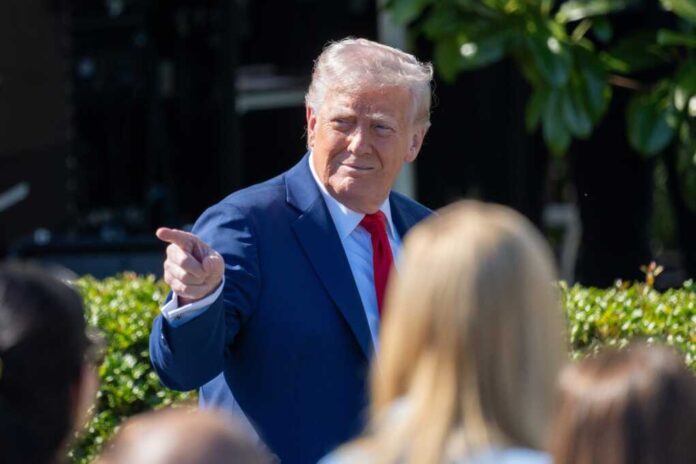
The BBC’s recent refusal to meet Donald Trump’s staggering $1 billion compensation demand has ignited a fierce debate on media overreach, ethics, and accountability. Following a formal apology for misleadingly editing his January 6 speech, the broadcaster has withdrawn the controversial program but remains firm against the financial claim, setting the stage for a protracted legal standoff. This incident has cast a spotlight on the delicate balance between press freedom and the imperative for accuracy in reporting.
Story Snapshot
- BBC apologizes to Trump for misleading edit but refuses compensation.
- The broadcaster pulls the controversial program from future broadcasts.
- Legal standoff continues, with potential for further litigation.
- Debate over media ethics and accountability intensifies.
BBC’s Apology and Compensation Refusal
On November 13, 2025, the BBC issued a formal apology to Donald Trump for a Panorama episode that misleadingly edited his January 6 speech. The edit created a false impression, which led Trump’s legal team to demand a retraction, apology, and $1 billion in damages. While the BBC did apologize and withdraw the program from future broadcasts, it refused to meet the compensation demand, stating there was no legal basis for such damages.
Trump’s legal team remains adamant about pursuing litigation, arguing that the misleading edit significantly damaged Trump’s reputation. The BBC, however, maintains that the compensation claim lacks merit, emphasizing the need for responsible journalism over capitulating to exorbitant financial demands.
Media Accountability and Legal Implications
This incident has reignited discussions on media accountability and the ethical responsibilities of broadcasters. The BBC, as a publicly funded entity, is under intense scrutiny to uphold high editorial standards. The misleading editing of Trump’s speech has cast doubt on its objectivity and impartiality, prompting calls for a review of its editorial practices.
Legal scholars suggest that Trump’s defamation case may face challenges, particularly due to his high public profile and the absence of clear harm caused by the broadcast. Nevertheless, the situation underscores the delicate balance between press freedom and accountability, a debate that resonates strongly within the conservative community.
Impact on Public Trust and Media Practices
The fallout from this controversy could have lasting effects on public trust in media organizations. The BBC’s decision to apologize but reject compensation may set a precedent that influences how future high-profile complaints are handled. For supporters of Trump, this incident serves as further evidence of perceived media bias against conservative figures.
The broader media industry might experience heightened caution in editing and presenting politically sensitive material. News organizations could face increased pressure to ensure accuracy and fairness, potentially leading to a reevaluation of their editorial guidelines.
The continuing legal standoff between Trump and the BBC highlights the ongoing tension between political figures and media entities, a dynamic that is likely to persist as long as contentious reporting practices remain under scrutiny.
Watch the report: BBC apologises to Donald Trump but refuses to pay $1bn compensation | BBC News
Sources:
BBC apologizes to Trump over misleading edit, but rejects basis for defamation claim
BBC apologizes to Trump over edited clip: live updates
BBC apologises to Trump over speech edit but rejects compensation claim