
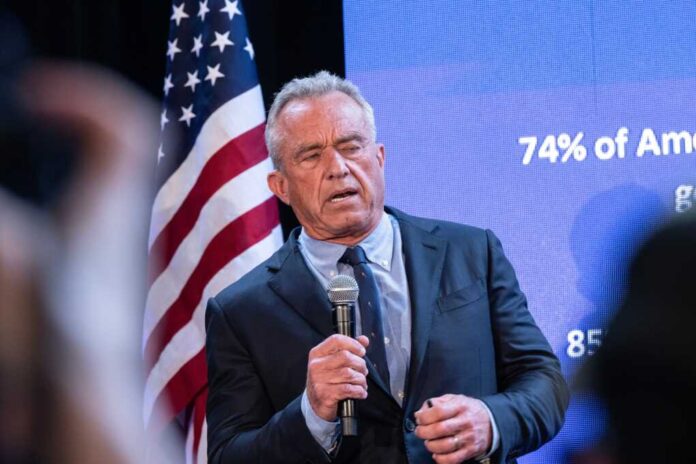
A new memoir from journalist Olivia Nuzzi has sparked a major controversy by alleging that Robert F. Kennedy Jr., the Secretary of Health and Human Services, engaged in the use of a powerful psychedelic known for inducing “near-death” experiences. This revelation places Kennedy’s personal behavior in direct conflict with his public role as an advocate for the legalization and medical use of psychedelic therapies. The allegations intensify the public debate over whether personal experiences should influence high-stakes policy decisions and could significantly impact the future of psychedelic research and regulation in the U.S.
Story Highlights
- RFK Jr. allegedly used powerful psychedelic substances, according to a memoir.
- The memoir’s allegations raise concerns about personal conduct and policy influence.
- RFK Jr.’s advocacy for psychedelic therapies contrasts with personal use claims.
- Public debate intensifies over psychedelic legalization and safety.
Memoir Sparks Controversy Over Psychedelic Use
A recently published memoir by journalist Olivia Nuzzi has sparked controversy by alleging that Robert F. Kennedy Jr. (RFK Jr.), now the Secretary of Health and Human Services, engaged in the use of a powerful psychedelic known for inducing “near-death” experiences. The book details personal interactions with Kennedy, suggesting that his personal experiences may intersect with his public advocacy for psychedelic therapies. This revelation has sparked immediate public and political reactions, placing Kennedy’s policies under intense scrutiny.
The allegations, if true, would place Kennedy’s personal behavior at odds with his public role, as he pushes for the legalization and medical use of psychedelic substances. This has intensified the debate over whether Kennedy’s personal experiences are influencing his policy decisions. Supporters argue that personal experience can provide valuable insights into policy-making, while critics contend that it may lead to bias or undue influence.
RFK Jr. allegedly smokes powerful psychedelic that gives people ‘near-death’ experiences: tell-all https://t.co/cfb95xAwE2 pic.twitter.com/D1ih5e5aQI
— New York Post (@nypost) November 14, 2025
Historical Context and Policy Implications
Psychedelic substances like LSD and psilocybin have a storied history, with past research halted due to regulatory concerns. Now, a resurgence in clinical research has renewed interest in their therapeutic potential for mental health conditions such as depression and PTSD. The U.S. is at a pivotal moment in psychedelic policy, with bipartisan interest but also significant caution due to safety and ethical considerations. The Department of Health and Human Services, led by Kennedy, is exploring pathways for legalizing these therapies within a year.
The potential legalization of psychedelics has garnered both support and criticism. While advocates highlight the potential benefits for mental health, opponents warn of the risks associated with rapid approval. The FDA’s recent rejection of MDMA-assisted therapy for PTSD exemplifies the cautious approach taken by regulatory bodies, despite growing public advocacy and pressure from veterans and mental health advocates.
Impact and Future Developments
The memoir’s allegations have heightened scrutiny of Kennedy’s policy motivations, raising questions about the appropriateness of personal experiences influencing public policy. In the short term, this controversy may increase media attention and public debate over psychedelic legalization and safety. In the long term, it could accelerate or hinder federal approval for psychedelic therapies, depending on how the controversy unfolds.
Veterans and individuals with treatment-resistant conditions stand to benefit the most from expanded access to psychedelic therapies. However, regulatory agencies face the challenge of balancing innovation with safety, ensuring that new therapies undergo rigorous scientific evaluation before approval. The political ramifications for Kennedy and the administration could be significant, as stakeholders may use the controversy for partisan advantage.
As the situation develops, it is crucial to monitor how personal conduct and public policy intersect, as well as the broader implications for the future of psychedelic research and regulation.
Watch the report: Olivia Nuzzi Reveals Secret Affair with RFK Jr. | Psychedelics, Love & Scandal Exposed!
Sources:
RFK Jr Allegedly Smoking a Death-Trip Drug: Lethal Psychedelic Gives Near-Death Highs | IBTimes UK
RFK Jr. allegedly smokes powerful psychedelic that gives people ‘near-death’ experiences: tell-all | New York Post
RFK Jr. smoked psychedelic drug that gives users near-death experiences, claims Olivia Nuzzi
RFK Jr used psychedelics and wanted Olivia Nuzzi to have his baby, her new book on their ‘digital affair’ reveals | The Independent