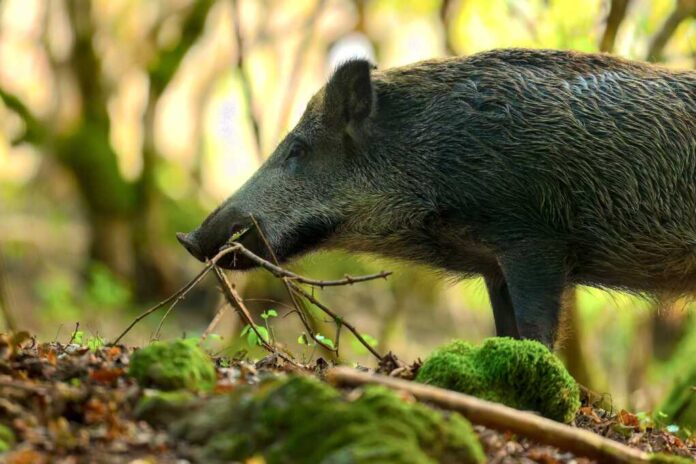
In an alarming development that exposes the deadly consequences of unchecked pesticide use, wild pigs in California’s Monterey County have been discovered with startling neon blue flesh, a result of severe diphacinone rodenticide poisoning. This contamination threatens hunters and meat consumers with internal bleeding risks and highlights fundamental flaws in agricultural oversight and bait station design. Beyond the immediate threat to human health and traditional hunting practices, the incident exposes a cascading toxic crisis for endangered species facing secondary poisoning throughout the food chain.
Story Highlights
- Wild pigs in Monterey County found with neon blue flesh from rodenticide poisoning.
- Anticoagulant diphacinone exposure threatens hunters and meat consumers with internal bleeding risks.
- California’s 2024 pesticide restrictions failed to prevent this contamination incident.
- Endangered species face secondary poisoning through contaminated food chains.
- Agricultural bait stations accessible to non-target wildlife despite regulations.
Agricultural Negligence Creates Toxic Wildlife Crisis
Dan Burton, owner of Urban Trapping Wildlife Control in Monterey County, discovered the alarming truth when processing wild pigs in August 2025. The animals displayed startling neon blue coloration in their fatty tissue, caused by diphacinone rodenticide poisoning. This anticoagulant compound, intentionally dyed blue for identification, had contaminated the pigs after they targeted and broke open ground squirrel bait stations used by farmers for pest control.
Wild Pigs Turned 'Neon Blue' in California, Triggering Warnings… pic.twitter.com/MsMzMkx9iI
— Katherine Stiles (@_K_Stiles) December 1, 2025
Health Warnings Issued as Contamination Spreads
The California Department of Fish and Wildlife confirmed diphacinone presence in tissue samples and issued urgent health alerts. Dr. Ryan Bourbour, CDFW’s Pesticide Investigations Coordinator, warned hunters that game animals including wild pigs, deer, bear, and geese might be contaminated. The anticoagulant poses serious health risks including internal bleeding and other life-threatening complications for anyone consuming contaminated meat.
Burton had observed wild pigs actively targeting rodenticide-baited oats as early as March 2025, demonstrating how agricultural practices created an accessible poison source for non-target species. The blue dye affects primarily fatty tissue, meaning contaminated animals may not display visible warning signs, making visual identification unreliable for hunters trying to avoid poisoned meat.
Regulatory Failure Despite 2024 Restrictions
California implemented strict restrictions on diphacinone use in 2024, yet agricultural operators continued using existing supplies or obtained exemptions for specific applications. The incident exposes fundamental flaws in pesticide regulation enforcement and bait station design that fails to exclude larger wildlife species. This contamination threatens not only direct consumers but creates cascading effects throughout the food chain.
The rodenticide had already been documented in numerous non-target species including raptors, mountain lions, bobcats, foxes, and endangered northern spotted owls and San Joaquin kit foxes. These predators and scavengers face secondary poisoning when consuming contaminated prey, potentially devastating already vulnerable populations through bioaccumulation of toxins.
Constitutional Concerns Over Government Overreach
This incident highlights the dangerous consequences of inadequate agricultural oversight while simultaneously raising concerns about potential government overreach in response. Patriots should demand accountability from agricultural operators who failed to properly secure toxic substances, but remain vigilant against knee-jerk regulations that could restrict property rights or hunting freedoms. The solution requires better industry practices and targeted enforcement, not broader restrictions on legitimate activities.
Hunters and families who depend on harvested game for sustenance now face uncertainty about food safety through no fault of their own. The contamination represents a clear threat to traditional American hunting practices and self-sufficiency, while potentially exposing law-abiding citizens to serious health risks from agricultural negligence beyond their control.
Watch the report: Wild Pigs Turn ‘Neon Blue’ in California, Triggering Warnings!
Sources:
Wild Pigs Turned ‘Neon Blue’ in California, Triggering Warnings
Neon Blue Wild Pigs Highlight Dangers of Toxic Rodent Baits in California
The Strange Yet Alarming Reason Why Wild Pigs in California Are Turning Neon Blue
Wild Pigs Are Turning Electric Blue in California, But Why?