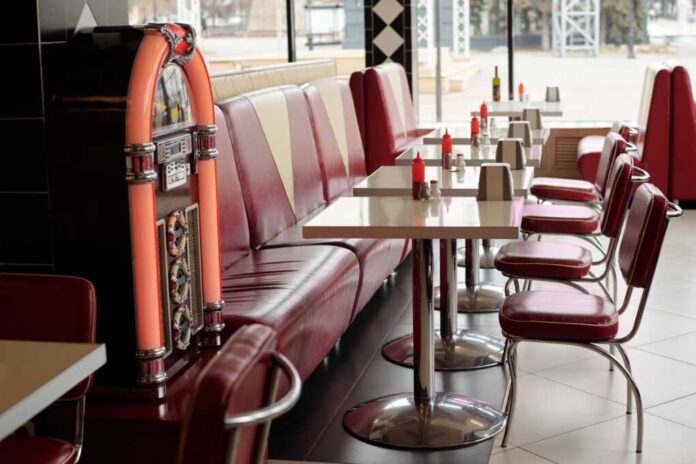
The relocation of the iconic 57-year-old Wythe Diner from its everyday neighborhood corner in Williamsburg to a backlot at Steiner Studios has ignited a debate over preservation in New York City. While the move saved the classic 1950s-style railcar from demolition, it simultaneously removed a community landmark from daily public life, turning “real New York” into a controlled, profitable backdrop for film and television, and highlighting the priorities of city preservation officials and private developers.
Story Highlights
- Iconic 1950s-style Wythe Diner was physically moved from Williamsburg to Steiner Studios to serve as a permanent movie and TV set.
- The move saved the stainless-steel landmark from demolition but erased it from the daily life of working New Yorkers.
- City preservation officials refused to landmark the diner, leaving decisions to private developers and studio executives.
- The relocation highlights how cultural nostalgia survives while real neighborhoods are remade for global money and media.
A Brooklyn Landmark Leaves Its Corner for the Camera
On the first weekend of December 2025, cranes lifted the 57-year-old Wythe Diner off its Williamsburg foundation, set it on a flatbed truck, and rolled it through Brooklyn streets to the Brooklyn Navy Yard. Engineers then staged the historic 1950s-style railcar at Steiner Studios, where crews will place it on a new foundation and convert it into a permanent film and television set, ending its long run as an everyday neighborhood restaurant.
For locals who watched the shiny stainless-steel car serve coffee and eggs for decades, the move landed with mixed emotions. Former owner Sandy Stillman had insisted for years that any sale protect the building from demolition, and he worked with Steiner Studios to secure its future on the lot. That agreement kept the structure intact, but it also turned a once-accessible community hangout into a controlled backdrop for big-budget productions behind studio gates.
Beloved 57-year-old NYC diner physically relocated from Brooklyn neighborhood to Steiner Studios for movie set https://t.co/lEBWDKYCRU pic.twitter.com/nODgRgn5fC
— New York Post (@nypost) December 9, 2025
From Working Diner to Controlled Backlot Prop
Steiner Studios gains a ready-made, authentic diner set that directors can re-use across countless shows and films, cutting the cost and hassle of constantly building replicas. Within the Navy Yard’s growing production complex, the car becomes another asset in New York’s taxpayer-supported push to lure Hollywood dollars. Yet ordinary New Yorkers no longer choose to walk in for a burger at midnight; instead, a production schedule now determines who steps through the door, and why.
The shift from restaurant to static set reflects a larger pattern many conservatives recognize in coastal cities: authenticity is preserved only after it becomes profitable content. The Wythe Diner will keep showing up on screens worldwide, packaged as “real New York,” even as the working-class city that built and sustained it gets priced out. Cultural memory survives in curated fragments, while long-time residents lose the physical places that once grounded family routines and neighborhood life.
Developers Win the Land, Residents Lose the Street
The land under the diner in Williamsburg has already been sold to a developer, clearing the way for yet another high-rent project in a neighborhood transformed by years of aggressive rezoning and speculation. The diner’s removal clears a valuable corner for towers, even as media coverage focuses on the feel-good “rescue” story at the Navy Yard. It is a familiar pattern: powerful real-estate interests walk away with the dirt, while the public is offered nostalgia and PR as consolation.
New York’s Landmarks Preservation Commission never moved to protect the structure where it stood, despite its age, rare railcar design, and appearance in major films. Instead of using government power to safeguard a modest slice of everyday Americana, city officials let the market decide. For readers who value local ownership and community roots, the message is clear: if a building does not fit the latest planning fashion or revenue model, its survival depends on cutting a private deal, not on public stewardship.
Preservation by Relocation or Museum of a Vanishing America?
Supporters of the move call it a practical compromise in a city where non-landmarked buildings disappear overnight. They argue that relocation kept a rare 1960s diner intact and may even boost awareness of its history as it appears in new movies. In their view, Steiner’s backlot solution proves that private initiative can succeed where city bureaucracy fails, salvaging a piece of mid-century Americana before the wrecking ball arrived.
Preservation advocates and longtime residents counter that moving a neighborhood diner behind studio fences turns living culture into a museum prop. The building’s chrome walls may endure, but the surrounding web of regulars, waitstaff, and daily routines has been severed. As gentrification and global capital reshape urban cores, this episode warns that communities can lose their real gathering places while elites celebrate “saving history” for the cameras. That trade-off should trouble anyone who believes vibrant local life matters more than cinematic backdrops.
Watch the report: Brooklyn diner placed on flatbed truck, moved to movie studio
Sources:
Brooklyn diner being physically moved to new location at film and TV studio
Brooklyn diner physically moved to new location at film and TV studio – ABC7 New York
NYC diner saved from demolition, set for future on the big screen