A new threat from Iran’s military chief, Maj. Gen. Amir Hatami, signals a dangerous escalation in tensions with the U.S. Hatami’s announcement of a potential preemptive military response comes as a direct reaction to U.S. President Donald Trump’s assertive rhetoric. Compounding the external conflict, Iran is also grappling with widespread public unrest fueled by a crippling economic collapse and U.S. sanctions, further heightening concerns over the region’s stability.
Story Highlights
- Iran’s army chief threatens preemptive attack in response to U.S. rhetoric.
- Protests in Iran escalate due to economic collapse and sanctions.
- Trump warns Iran about violence against protesters, heightening tensions.
- Iran’s military readiness emphasized following recent conflict with Israel.
Iran’s Military Threats and U.S. Response
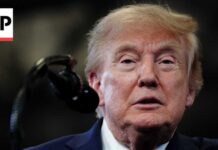
On January 7, 2026, Iran’s army chief, Maj. Gen. Amir Hatami, announced a potential preemptive military response to rhetoric targeting Iran. This announcement came as a direct reaction to U.S. President Donald Trump’s statement, where he declared the U.S. was “locked and loaded” against Iran if it suppressed peaceful protests violently. The protests, fueled by economic turmoil, have intensified concerns over Iran’s stability.
Hatami’s declaration signals a departure from routine threats, emphasizing Iran’s heightened military readiness post a recent conflict with Israel. This military stance aims to deter external threats and rally domestic support amid widespread protests. The situation highlights the complex interplay between international tensions and internal unrest in Iran.
Major General Amir Hatami, Commander-in-Chief of the Iranian Armed Forces, asserted that the Iran's armed forces are now in a much higher state of readiness than before the war. He promised a stronger retaliation for any hostile mistake, swearing to "cut off the hand" of any… pic.twitter.com/x7YgbH72Le
— IRNA News Agency (@IrnaEnglish) January 7, 2026
Economic Collapse and Public Unrest in Iran
The economic collapse in Iran, driven by U.S. sanctions and the devaluation of the rial, has sparked widespread protests. These protests began on December 28, 2025, and have grown into a significant anti-regime movement. The Iranian government attempted to stabilize the situation by doubling subsidies to citizens, yet inflation has continued to rise, tripling the cost of basic goods.
Iran’s government faces mounting challenges as protests persist across the country. The unrest, with 36 reported deaths, underscores the regime’s vulnerability and the populace’s dissatisfaction with economic conditions. Despite the government’s efforts, the situation remains volatile, with potential implications for Iran’s future stability.
Implications for U.S.-Iran Relations and Regional Stability
The escalating rhetoric and military posturing between the U.S. and Iran pose significant risks for regional stability. Trump’s assertive stance against Iran’s actions could lead to further military confrontations or proxy conflicts in the region. The Iranian government’s aggressive responses aim to project strength and deter foreign intervention.
While the immediate risk of conflict remains controlled, the situation demands careful monitoring. Both short-term and long-term implications could affect global markets, particularly the oil sector, and exacerbate tensions in the Middle East. The international community must weigh in to prevent further escalation and support efforts to address the root causes of the unrest.
Watch the report: Iran army chief warns of tougher response to threats
Sources:
- Iran army chief threatens preemptive attack over ‘rhetoric’ targeting country after Trump’s comments
- Iran’s President Pezeshkian urges security forces not to target protesters – France 24