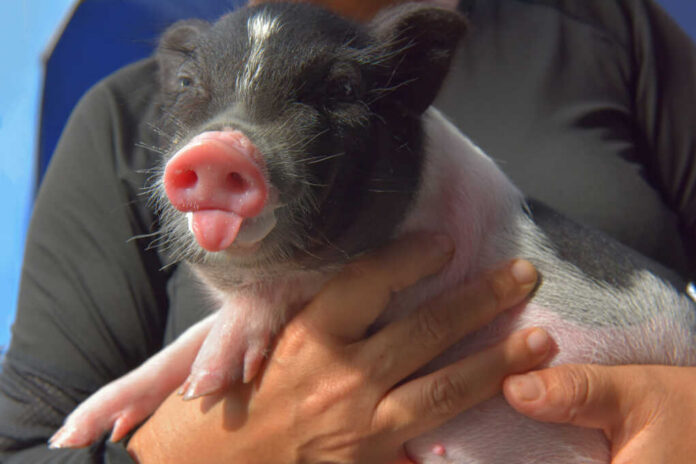
Canada quietly approves gene-edited pork for human consumption without mandatory labeling, raising alarms over consumer choice and government transparency in food safety.
Story Highlights
- Health Canada and CFIA approved PRRS-resistant gene-edited pigs on January 23, 2026, marking Canada’s first such animal for food use.
- No mandatory labeling required, despite ongoing public review of genetically engineered food standards.
- PRRS virus costs Canadian pork producers $130 million annually, driving demand for disease-resistant livestock.
- Approval aligns with U.S. and other nations but echoes past cloned meat controversy that sparked consumer backlash.
Regulatory Approval Details
Health Canada and the Canadian Food Inspection Agency announced approval of PRRS-resistant pigs on January 23, 2026. The pigs, developed by U.K.-based Genus PLC and its subsidiary PIC, underwent independent safety assessments by three agencies. Environment and Climate Change Canada confirmed environmental and human health risks match conventional pigs. This decision treats the gene-edited animals like traditionally bred ones since no foreign DNA was added. Pork producers stand to benefit from reduced disease losses.
PRRS Threat to Pork Industry
Porcine reproductive and respiratory syndrome devastates farmed pigs, causing fever, breathing issues, stillborns, and deaths. The virus inflicts $130 million in annual losses on Canada’s pork sector, contributing to higher consumer prices. Years of research by PIC validated the precise DNA edit for resistance. U.S. FDA approved it in April 2025, followed by Brazil, Colombia, Dominican Republic, and Argentina. Canadian regulators echoed these findings after thorough reviews.
Genus PLC plans no immediate commercial sales in Canada, awaiting further global approvals to protect trade. Matt Culbertson, PIC’s COO, called it a major milestone for farmers battling PRRS for decades. Health Canada pledged transparency on market entry. A 2025 PIC study shows consumers accept gene-edited meat when educated on benefits and process.
Transparency and Labeling Concerns
No special labeling applies because regulators found no health risks. Health Canada began public review of genetically engineered food standards with the Canadian General Standards Board in November 2025. Critics like the Canadian Biotechnology Action Network argue for mandatory labels to ensure consumer choice. Organic groups echo demands for disclosure, citing ethics and values beyond safety.
This mirrors fall 2025’s unannounced cloned animal meat approval, which triggered backlash and a policy pause. Consumer advocates decry a transparency crisis, noting labels for fat and sugar but not gene edits. PIC and regulators maintain safety equivalence justifies the approach, but ongoing reviews signal potential changes amid public pressure.
Economic and Broader Impacts
Short-term, the approval sets precedent joining international momentum, heightening awareness of gene-edited foods. Long-term, commercialization could cut $130 million losses, boost farm efficiency, and stabilize prices. Pork producers anticipate relief, but organic and conventional farmers fear competition without labels. Global coordination by Genus suggests gene-edited pork may become standard, pressuring supply chains. Consumer trust hinges on education versus disclosure debates.
Sources:
Canadian Cattlemen: Gene-edited PRRS-resistant pig approved in Canada
Health Canada: Canada approves pigs resistant to PRRS viruses for food and feed
The Clarion: Health Canada’s approval of unlabelled gene-edited pork is a mistake
PIC: Canadian regulators determine PIC’s PRRS-resistant pigs are safe
CBAN: Take action – Label GM food
National Hog Farmer: Dubreton responds to Canada’s approval of the PRRS-resistant pig
Health Canada: Approved products – PRRS virus-resistant pigs