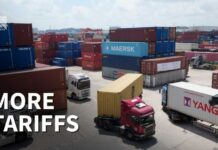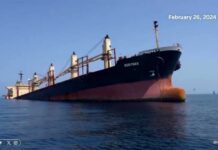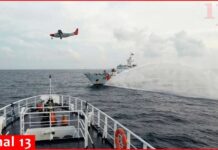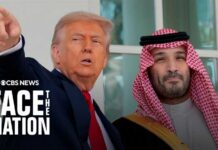
President Trump’s bold call for oil tankers to “show some guts” in the Strait of Hormuz promises to crush spiking energy prices that threaten American families’ wallets.
Story Highlights
- Trump offers U.S. Navy escorts and temporary sanctions waivers to restart tanker traffic halted by Iranian threats.
- Tanker transits plunged from 98 ships on February 28 to just one on March 8 amid U.S.-Iran tensions.
- Iran blames America for regional insecurity while refusing safe passage guarantees.
- Gulf oil producers like Kuwait and Qatar invoke force majeure, draining global reserves.
Trump’s Decisive Response to Strait Crisis
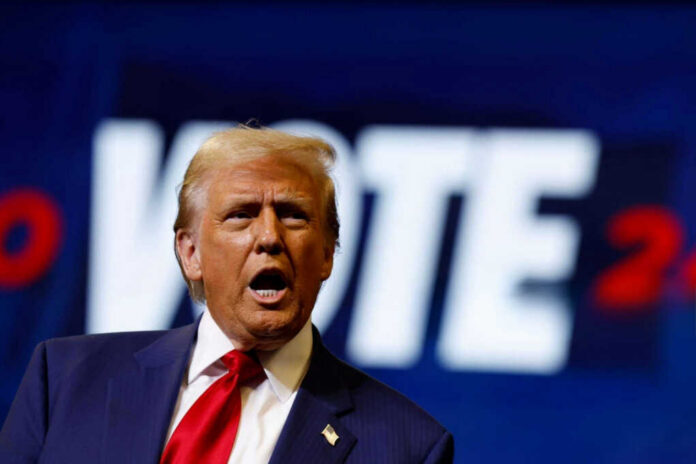
President Donald Trump appeared on Fox News on March 9, 2026, urging commercial oil tankers to transit the Strait of Hormuz despite risks. He stated the U.S. Navy stands ready with partners to provide escorts if needed. Trump also floated waiving oil-related sanctions temporarily until the situation stabilizes. This direct challenge followed a drastic drop in tanker traffic, from 98 ships on February 28 to only one on March 8. The move underscores American leadership restoring global energy flows against Iranian intimidation.
Iranian Threats Escalate Shipping Halt
Iranian officials, including Foreign Ministry spokesperson Esmail Baghaei, warned tankers to “be very careful” amid U.S. and Israeli strikes. Revolutionary Guard threats to block oil exports if attacks continue spiked insurance costs, forcing shipping companies to halt transits. Iran denies closing the strait but cites regional insecurity from American aggression. As of March 10, no reopening timeline emerged. One Greek tanker, Shaong, exited covertly with signals off, highlighting shadow fleet reliance.
Historical Precedent and U.S. Military Edge
The Strait of Hormuz, a 21-mile-wide chokepoint between Iran and Oman, carries 20% of global oil trade. Tensions echo the 1980s Tanker War when U.S. Navy escorts protected shipping. Unlike 2019 Iran-linked attacks, current disruptions near total halt exceed precedents. Trump emphasized America’s superior ships and mine-sweeping capabilities. European allies dispatch warships, bolstering deterrence. U.S. power dynamics favor military projection over Iran’s northern strait control and blockade threats.
Oil producers Saudi Arabia, Kuwait, and Qatar face export losses. Kuwait cut production; Qatar halted LNG under force majeure. Roughly 100 million barrels sit in floating storage, buying 30 days before shortages hit.
Oil Price Spike Reverses As President Trump Urges Tankers Into the Strait of Hormuz https://t.co/MF9EHYD8xL
— Fearless45 (@Fearless45Trump) March 10, 2026
Economic Stakes and Global Ripples
Short-term oil price spikes risk inflation shocks for American consumers, reversing Trump’s economic wins. Long-term, sustained closure strangles Gulf economies and prompts LNG shifts to U.S. and Australian suppliers. Shipping analysts note companies prioritize insurance over presidential urging; military escorts prove essential. Expert views align: unprecedented 98-to-1 traffic drop demands Navy action. Trump’s strategy promises quick war end, securing energy independence against globalist vulnerabilities.
Stakeholders include U.S. Navy, insurers dictating routes, and importers like East Asia facing shortages. Political pressures mount on neighbors; shadow fleets evade sanctions but expose legal tankers to risks. Decisive U.S. intervention protects conservative priorities: affordable energy, strong defense, and limits on foreign leverage over American prosperity.
Sources:
Trump Says War to End ‘Very Soon,’ Floats Removing Oil Sanctions (Fortune, March 9, 2026)
Trump U.S. Navy May Escort Tankers Through Strait of Hormuz (USNI News, March 3, 2026)