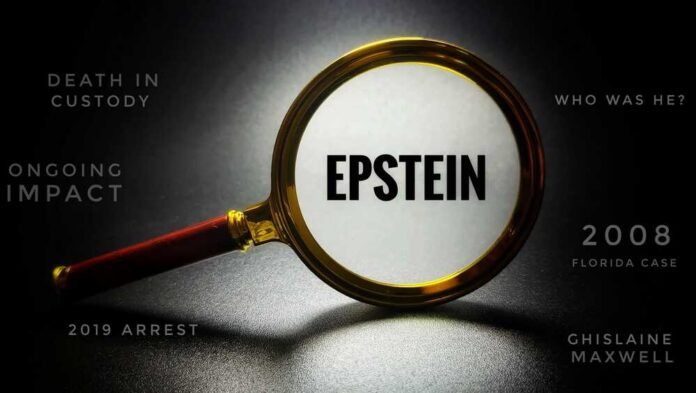
Newly released DOJ documents expose shocking details of Jeffrey Epstein’s sweetheart jail deal, including allegations of sexual activity in a jail parking lot and a web of preferential treatment that let a convicted sex offender waltz in and out of custody while his victims were silenced.
Story Snapshot
- DOJ files reveal Epstein allegedly engaged in sexual activity in his SUV parked at the jail and via webcam while supposedly in custody
- Federal prosecutors prepared a 32-count indictment but U.S. Attorney Alexander Acosta negotiated a non-prosecution agreement granting state charges and immunity to four associates
- Epstein received work release after fewer than four months, leaving custody up to 16 hours daily while dozens of underage victims awaited justice
- FBI investigators texted they “never gave up” on the case, keeping files ready in case the sweetheart deal was voided
The Plea Deal That Betrayed Justice
Federal prosecutors built an overwhelming case against Jeffrey Epstein by 2007, preparing a 32-count indictment for enticement of minors and sex trafficking. Dozens of victims from multiple states stood ready to testify about abuse they suffered as children. Instead of facing federal prosecution and decades in prison, Epstein’s high-powered legal team negotiated a non-prosecution agreement with U.S. Attorney Alexander Acosta. The deal allowed Epstein to plead guilty to state prostitution charges, avoiding federal court entirely. He received an 18-month sentence and immunity for four associates, some of whom accusers claim helped recruit victims.
Custody in Name Only
After surrendering to Palm Beach County authorities in July 2008, Epstein served fewer than four months before receiving work release privileges allowing him to leave custody up to 16 hours daily, six days per week. FBI documents reveal his SUV was outfitted with a bed. One woman told investigators Epstein engaged in sexual activity with her in the vehicle while parked in the jail lot and via webcam while he was supposedly alone in custody. Prison records show Epstein never signed in or completed paperwork during visits, and he reportedly developed a friendly relationship with a guard who visited his home during house confinement to discuss employment.
Frustration Within Federal Ranks
Previously unreleased internal communications expose the deep frustration felt by DOJ investigators who watched their case evaporate. One agent texted colleagues expressing disappointment over the abandoned prosecution: “It was a shame. We had a great case. I never gave up on it. I kept everything ready in case the non prosecution agreement got voided.” These messages underscore a fundamental problem plaguing American justice: one set of rules for wealthy, well-connected defendants and another for ordinary citizens. While federal agents maintained hope the agreement might be challenged, Epstein’s team successfully protected him from accountability that dozens of victims desperately sought.
A System Rigged for the Powerful
The newly released documents illustrate how wealth and elite legal representation can manipulate the justice system beyond recognition. An uncorroborated tip claims Epstein paid to reopen a closed jail section to avoid general population housing. He allegedly bragged about having an unfriendly probation officer transferred. Meanwhile, the non-prosecution agreement granted immunity to four of his associates, with one woman later identifying herself as an Epstein victim despite receiving protection from prosecution. Attorneys representing survivors note these revelations demonstrate how grooming works, with victims conditioned to protect their abuser even while describing the exploitation system.
Transparency Failures and Missing Accountability
The Department of Justice recently released over three million additional pages under the Epstein Files Transparency Act, admitting coding errors caused some documents to be mistakenly withheld. This admission raises troubling questions about whether other critical information remains hidden. Palm Beach Sheriff’s Department denies the allegations of preferential treatment, stating no evidence substantiates the incidents. A 2021 Florida Department of Law Enforcement report found no evidence of bribery or undue influence. Yet the gap between what FBI documents reveal and what custodial authorities acknowledge highlights the difficulty survivors face seeking truth when powerful interests align against them.
Americans across the political spectrum increasingly recognize the federal government serves elite interests rather than ordinary citizens seeking equal justice under law. The Epstein case exemplifies this corruption: federal prosecutors with overwhelming evidence negotiated away accountability while victims watched their chance for justice disappear. Alexander Acosta, who approved the deal, later served as Secretary of Labor. The deeper question remains whether any meaningful accountability will ever reach those who enabled Epstein’s crimes or whether the powerful will continue operating under different rules than everyone else.
Sources:
New details about Epstein’s lenient plea deal and jail term emerge from DOJ files – CBS News
DOJ Office of Professional Responsibility Report