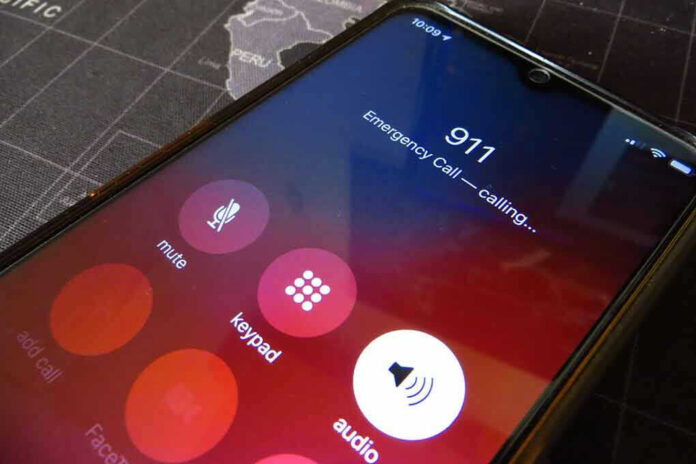
Suisun City’s emergency system went dark after a cyberattack forced officials to shut down the city network and reroute 911 calls.
Quick Take
- The city declared a state of emergency after malicious software hit its information technology systems.
- Officials said 911 calls were rerouted through the Solano County dispatch center.
- Police officers and firefighters kept answering calls for service during the outage.
- The city said there was no imminent threat to the public, even as core services stayed offline.
Network Shutdown Hits Public Safety
Suisun City officials said malicious software infected city systems around 5:45 a.m. Friday, cutting into public safety operations and other municipal services. To contain the attack and preserve evidence for a federal investigation, the city shut down its entire information technology network. Officials said the breach affected 911 routing, police and fire dispatch, records, and other city services.
The city council met in special session Saturday and declared a state of emergency under Government Code 8630. That move lets Suisun City seek emergency support faster and ask for reimbursement tied to the incident. Officials also said they are working with federal, state, and regional agencies, including the Federal Bureau of Investigation (FBI), the Department of Homeland Security, and the California Office of Emergency Services.
How Emergency Calls Kept Moving
City leaders said the public safety system stayed operational through backup steps, even as the local network was disabled. Suisun City dispatchers took calls through the Solano County dispatch center, while city police officers and firefighters kept responding to calls for service. Officials also said online services and internal operations remained temporarily unavailable while cybersecurity experts worked to restore systems.
That detail matters because city cyberattacks often create a gap between service disruption and total collapse. In this case, officials described a serious breach that forced a full network shutdown, but they also said emergency response did not stop. That mix helps explain why local governments treat these attacks as both a technology crisis and a public safety problem.
What Officials Have Not Said Yet
The city has not disclosed whether data was stolen or whether anyone demanded ransom. Investigators are still working to sort out the full scope of the attack, which means some basic questions remain unanswered. Even so, the facts already show how quickly a municipal cyber incident can spread beyond computers and into the systems people rely on most.
Your 911 line can vanish in one morning: Suisun City declared an emergency after a cyberattack took down dispatch and forced its network offline. Save your local non-emergency number now.
— FaultSignal (@FaultSignal_) August 9, 2026
The incident also fits a wider pattern across public safety agencies, where manual or alternate dispatch can keep services running after a cyberattack, but only after major disruption. Suisun City’s case shows the pressure local leaders face: they must warn the public, keep help flowing, and rebuild trust while their own systems are still being repaired.
Sources:
nypost.com, thereporter.com, police.suisun.com