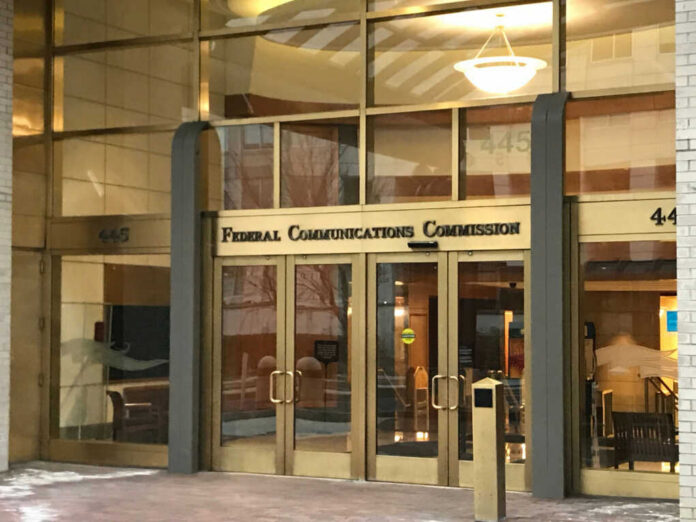
The Federal Communications Commission has ordered an unprecedented early license review of eight Disney-owned ABC stations just one day after President Trump and First Lady Melania Trump publicly demanded the firing of late-night host Jimmy Kimmel, raising serious questions about whether federal regulatory power is being weaponized to silence media critics.
Story Snapshot
- FCC orders ABC to file license renewals years ahead of schedule, citing Disney DEI policies as justification
- Review announced one day after Trump family publicly called for Kimmel’s termination over controversial joke
- Lone Democrat FCC Commissioner condemns action as “most egregious violation of First Amendment”
- First concrete regulatory action after year of Trump threats against critical media outlets
Timing Raises Red Flags About Government Overreach
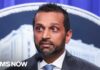
The FCC’s decision to force Disney’s ABC stations into early license renewal proceedings came just 24 hours after President Trump and First Lady Melania Trump demanded ABC fire Jimmy Kimmel. The late-night host had made a controversial joke calling Melania an “expectant widow” days before a White House Correspondents’ dinner shooting. While FCC Chairman Brendan Carr insists the review concerns Disney’s diversity, equity, and inclusion policies potentially violating anti-discrimination rules, the timing has sparked widespread concern that regulatory authority is being misused to punish political speech Americans have every right to make.
Unprecedented Regulatory Action Breaks Decades of Precedent
The eight ABC-owned stations typically wouldn’t face license renewal until 2028-2031, making this early review extraordinary by any measure. The last time the FCC revoked a broadcast license over programming content was 1969, when a Jackson, Mississippi station lost its license for defending segregation. Trump has spent over a year threatening to revoke licenses of news outlets critical of his administration, but this marks the first concrete action. The regulatory process itself serves as punishment, forcing Disney into costly legal battles and extensive filing requirements regardless of the ultimate outcome, which experts predict will favor ABC on appeal.
Free Speech Concerns Unite Critics Across Political Spectrum
FCC Commissioner Anna Gomez, the lone Democrat on the Republican-controlled commission, condemned the action as government retaliation against protected speech. Media analysts including CNN’s Brian Stelter note this represents the first tangible follow-through on Trump’s licensing threats. ABC responded confidently, citing its “long record of compliance” with the Communications Act and First Amendment protections. The controversy highlights a troubling pattern where federal agencies—supposedly independent—appear to answer political calls from the White House rather than serve the public interest they’re sworn to protect, regardless of which party holds power.
Broader Implications for Media Independence and Government Power
This episode raises fundamental questions about the relationship between federal regulatory agencies and political leadership. While the FCC claims the DEI investigation predates the Kimmel incident, the decision to accelerate license reviews immediately after presidential criticism suggests regulatory capture by political interests. For Americans already frustrated with government corruption and elite manipulation, this appears to confirm suspicions that federal agencies serve those in power rather than ordinary citizens. Whether one supports Trump or opposes him, the principle remains: government shouldn’t wield regulatory authority to silence critics or control what Americans see and hear. The broadcast sector now faces heightened political scrutiny, potentially chilling speech across networks worried about similar retaliation.
The legal battle ahead will likely be protracted, forcing Disney to expend significant resources defending licenses it would ordinarily renew without controversy. Local communities served by these ABC stations could face disruption to news and emergency broadcasting services if the process escalates. Beyond the immediate parties, this sets a dangerous precedent for using ostensibly neutral regulatory reviews as cover for political vendettas, undermining the independence that keeps government agencies accountable to citizens rather than politicians seeking to consolidate control over information.
Sources:
CBS News: FCC Orders Early Review of ABC Licenses Amid Kimmel Feud