Prosecutors in Northern Ireland have withdrawn attempted assault charges against two teenage boys, a development that follows two weeks of violent civil unrest across multiple communities in June 2025. The case and subsequent riots have drawn attention to community tensions, policing, and the impact of demographic change in the region.
Story Highlights
- Attempted assault charges against two Romanian-speaking teenagers were dropped by prosecutors due to “significant evidential developments.”
- The initial court appearance of the accused on June 9, 2025, preceded widespread anti-immigrant unrest.
- The violence injured 107 police officers and resulted in 56 arrests.
- The case highlights the challenges of legal proceedings in communities experiencing rapid demographic change.
Charges Withdrawn After Extensive Investigation
The Northern Irish Public Prosecution Service (PPS) withdrew attempted rape charges against two 14-year-old Romanian-speaking teenagers. The charges related to an alleged assault of a teenage girl in Ballymena, County Antrim, on June 7, 2025. The PPS cited “significant evidential developments” that emerged during the investigation as the reason for the withdrawal, which occurred months after the initial court appearance.
Highlights the danger of not awaiting investigation
Rape charges that triggered Ballymena race riots dropped
Prosecutors cite ‘significant evidential developments’ in decision to end criminal case against Romanian boyshttps://t.co/3Csmxl6Ok4— dave lawrence 🐟🐟🐠 (@dave43law) November 28, 2025
Civil Unrest Followed Court Appearance
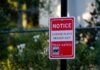
The court appearance of the accused teenagers on June 9 via videolink was followed by violent protests that quickly escalated into widespread civil unrest across several communities. Over four consecutive nights, police forces in areas including Ballymena, Larne, Carrickfergus, Newtownabbey, and Derry faced attacks involving petrol bombs, fireworks, and masonry. The incidents reportedly targeted ethnic minorities, with reports of some residents posting signs on their homes to indicate nationality and avoid being mistaken for foreigners. The violence resulted in injuries to 107 police officers and the arrest of 56 people.
Context and Paramilitary Involvement
Police Service of Northern Ireland (PSNI) Chief Constable Jon Boutcher acknowledged that paramilitaries were observed “standing amongst” individuals involved in the unrest, despite official statements denying orchestration. The incidents took place in areas with a history of loyalist activity, coinciding with the unionist marching season. Daniel Holder of the Committee on the Administration of Justice stated the violence aligned with a pattern of anti-immigrant unrest observed in Northern Ireland since 2023, suggesting that organised elements capitalised on existing community frustrations and demographic changes.
Political Reaction and Underlying Issues
Political leaders, including those from the Democratic Unionist Party (DUP), condemned the violence. Simultaneously, they validated public concern over immigration and the resulting pressure on public services. North Antrim MP Jim Allister referenced “significant demographic change” as a factor contributing to the unrest. The withdrawal of charges has been cited as an example of the potential consequences when legal proceedings in politically sensitive cases are undertaken without complete evidence, potentially impacting public confidence in both the justice system and community stability.
Watch the report: BALLYMENA ASSAULT UPDATE – ACCUSED ROMANIANS RELEASED, CHARGES DROPPED
Sources:
- Assault charges that triggered Ballymena race riots dropped | Northern Ireland | The Guardian
- Charges dropped against Romanian teens accused of attempted assault which sparkedBallymena rioting | UTV | ITV News
- Teenagers accused of assault that led to Ballymena riots have charges dropped – Yahoo News UK