A niche website recently spotlighted orange sharks, the “Bloop” sound, and UFO orbs—drawing viral attention and highlighting the sensationalist pull of unexplained phenomena.
At a Glance
- StrangeSounds.org published an August 28, 2025 issue highlighting orange sharks, UFO orbs, and “crying elephants.”
- The 1997 “Bloop” was recorded by NOAA and later attributed to icequakes.
- Alternative media sites like StrangeSounds.org capitalize on mystery-themed content and user-submitted sightings.
- These platforms foster skepticism toward official narratives and contribute to online subcultures centered on the paranormal.
The Rise of StrangeSounds.org
StrangeSounds.org was launched in 2012 by Manuel Petitat with a mission to showcase bizarre global phenomena often overlooked by traditional media. Topics range from mysterious sky sounds to anomalous marine creatures like orange sharks. The site’s August 2025 feature—titled “UFO Orbs, Crying Elephants & Orange Sharks – The World Is Playing With US”—typifies its approach: blending the unexplained with emotionally provocative storytelling.
As an independent platform relying on donations, StrangeSounds.org prioritizes alternative voices and eyewitness reports. This strategy helps drive viral engagement but also places it outside the norms of scientific validation or journalistic verification.
Watch now: First-of-Its-Kind Orange Nurse Shark—Truly One‑In‑A‑Kind!
Echoes from the Deep: The “Bloop” Reexamined
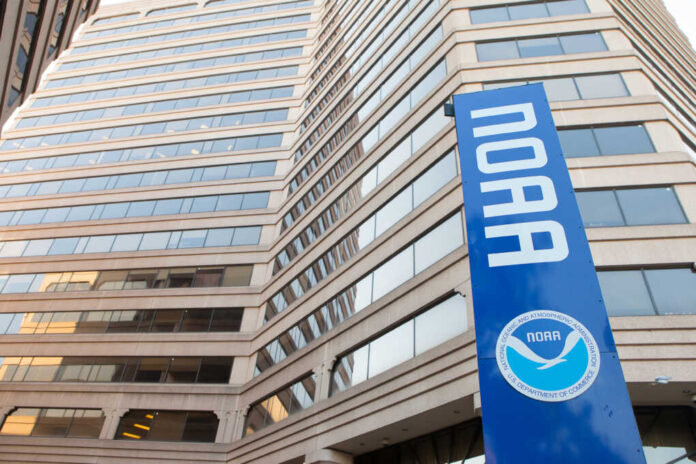
In 1997, the National Oceanic and Atmospheric Administration (NOAA) recorded a strange, low-frequency underwater noise dubbed the “Bloop.” The sound was so powerful it was detected over thousands of kilometers, leading to speculation that it originated from a previously unknown sea creature.
By 2012, NOAA scientists concluded that the “Bloop” was caused by icequakes—massive shifts in glacial ice. Despite this explanation, the phenomenon continues to surface in alternative media as evidence of mysterious deep-sea activity, demonstrating the staying power of unresolved narratives.
From Viral Phenomena to Public Distrust
The orange shark recently featured in alternative media likely reflects a rare real-world specimen—one exhibiting a genetic anomaly called xanthochromism, which gives it a vivid orange hue. Video footage of such marine oddities reinforces a pattern: visuals that are compelling enough to spread virally, regardless of their scientific explanation.
Alternative media platforms thrive in this environment. They cater to users disillusioned with mainstream narratives and often frame events as either underreported or deliberately concealed. This fuels a broader public skepticism toward government agencies, institutional science, and legacy journalism.
Cultural Impact and Scientific Rebuttal
The growing appeal of alternative media has economic, cultural, and political implications. Sites like StrangeSounds.org not only generate ad revenue and traffic but also foster tightly knit communities centered on distrust, wonder, and speculation.
For scientists and communicators, this trend poses ongoing challenges. It demands a renewed commitment to transparency, clarity, and public engagement—particularly in countering viral misinformation with credible, digestible explanations that preserve public trust without dismissing curiosity.
Sources