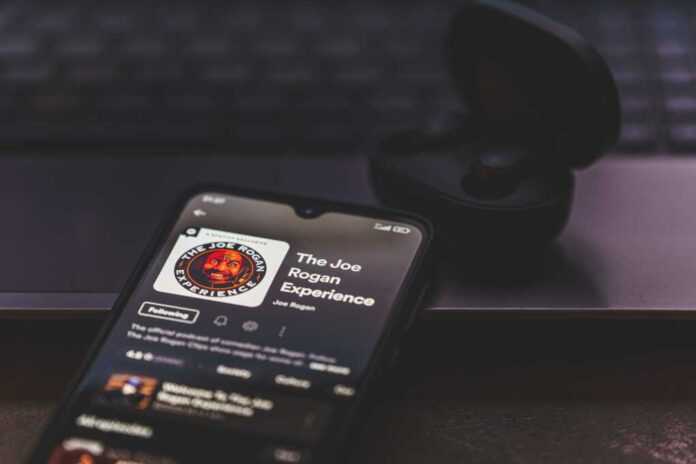
Actors Ben Affleck and Matt Damon have ignited a fresh debate on the social phenomenon of “cancel culture,” arguing for a critical re-evaluation of its permanence and unforgiving nature. In a recent appearance on Joe Rogan’s popular podcast, the long-time collaborators criticized the lack of mechanisms for redemption and forgiveness in today’s public accountability landscape. Their comments, which coincide with the release of their new Netflix film, The Rip, have amplified the ongoing cultural conversation about human growth, second chances, and the severity of public judgment in the digital age.
Story Highlights
- Ben Affleck and Matt Damon appeared on Joe Rogan’s podcast, voicing concerns about cancel culture.
- They argue that cancel culture lacks mechanisms for redemption and forgiveness.
- Their remarks coincide with the release of their Netflix film, *The Rip*.
- Their comments contribute to discussions on accountability and public judgment.
Actors Criticize Cancel Culture’s Permanence
On January 16, 2026, Ben Affleck and Matt Damon made headlines when they appeared on Joe Rogan’s podcast, *The Joe Rogan Experience*. The actors criticized cancel culture for its unforgiving and permanent consequences. They argued that this social phenomenon lacks the necessary mechanisms for redemption and forgiveness, instead opting for punitive measures that don’t allow individuals to grow or seek forgiveness.
The podcast appearance coincided with the promotion of their new Netflix film, *The Rip*, which helped amplify their message across various media platforms. Both actors have previously faced public scrutiny, making their critique of cancel culture personally relevant. They highlighted the need for a more nuanced approach to accountability, emphasizing that human growth and second chances should not be overlooked.
Matt Damon and Ben Affleck tell Joe Rogan about Netflix and how the streaming giant changed filmmaking. pic.twitter.com/UAhQ17eFt2
— Joe Rogan Podcast News (@joeroganhq) January 17, 2026
Historical Context of Cancel Culture
Cancel culture emerged prominently in the 2010s, largely fueled by social media’s ability to quickly mobilize public opinion against individuals accused of misconduct. The phenomenon involves societal calls for boycotts and professional consequences, often without providing avenues for redemption. Matt Damon, in particular, has had his share of controversies, including criticism for past remarks that were perceived as insensitive. This history gives weight to their arguments, as they speak from personal experience.
The actors’ discussion on Joe Rogan’s podcast resonated with many who feel that digital-age accountability mechanisms often lack proportionality. By speaking out, Affleck and Damon have further sparked conversations about whether current societal practices allow for genuine personal growth and reconciliation.
Debate on Accountability and Forgiveness
Their remarks have sparked debate among media outlets, drawing attention to the broader cultural discourse on accountability. Some supporters agree with the actors, noting that cancel culture’s permanent consequences can be more severe than traditional justice systems. Others argue that public figures must still be held accountable for their actions, regardless of potential long-term effects on their careers.
As the conversation continues to circulate, it remains to be seen how the public and cultural institutions will respond. The timing of their comments, amidst the promotion of *The Rip*, further underscores the intersection of media influence and cultural commentary, with potential implications for the entertainment industry’s approach to public accountability.
Watch the report: Joe Rogan Experience #2440 – Matt Damon & Ben Affleck
Sources:
- Matt Damon to Joe Rogan: Getting ‘Canceled’ Worse Than Jail
- Matt Damon And Ben Affleck Defend Patriots And Debate Cancel Culture – Grand Pinnacle Tribune
- Matt Damon raises eyebrows with ‘cancel culture’ prison claim | The Independent
- Matt Damon Says Getting ‘Canceled’ Will ‘Follow You to the Grave’: ‘I Bet Some of Those People Would’ve Preferred to Go to Jail for 18 Months’ Instead