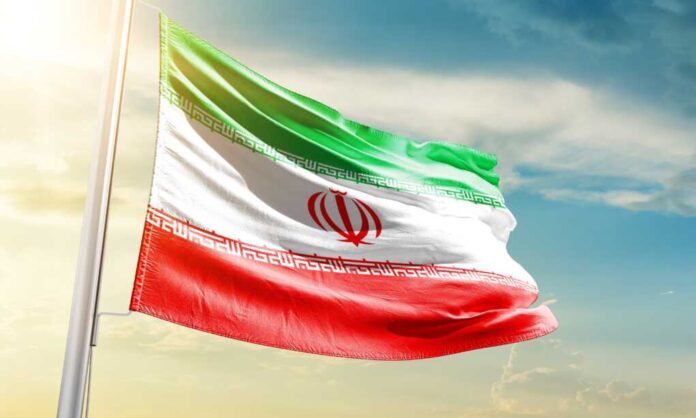
Intelligence officials and senior security officials in January 2026 largely rejected optimistic forecasts from some analysts, often identified as neoconservatives, regarding an imminent collapse of the Iranian regime. This assessment is issued amid massive nationwide protests in Iran that began in late December 2025, primarily driven by a deepening economic crisis.
Story Highlights
- Intelligence community experts dismiss claims of imminent Iranian regime collapse despite ongoing nationwide protests.
- The regime’s security apparatus is noted as remaining loyal, a factor distinguishing the current unrest from historical regime change events.
- Analysts highlight the lack of a cohesive, organized domestic opposition capable of presenting a viable governing alternative.
- The Islamic Republic has a record of suppressing large-scale protest cycles, including the 2022-2023 demonstrations following the death of Mahsa Amini.
Intelligence Community Rejects Regime Change Forecasts
As of January 2026, professional intelligence experts and senior security officials maintain that the Islamic Republic remains resilient despite the eruption of massive nationwide protests in late December 2025. While the protests continue to spread due to a deepening economic crisis, experts emphasize that the regime does not face an imminent threat to its stability.
Analysis from security officials notes that Iran’s security forces and apparatus remain loyal to the government and have not defected to the demonstrators. This is cited as a significant difference from historical cases of rapid regime collapse, where fractures within security forces were evident. The government has also demonstrated the capacity to suppress dissent through varied methods, having successfully managed larger, more sustained protest waves in the past. For instance, the 2022-2023 protests following the death of Mahsa Amini subsided after hundreds were reported killed and thousands were arrested.
Experts also point to the absence of a cohesive, organized domestic opposition movement that could provide a viable political alternative. While the regime is widely viewed as weakened, with its survival following a 12-day conflict with Israel in June 2025 being internally cited as proof of its endurance, professional assessments suggest that foreign-backed efforts for regime change are not easily achievable and could result in governmental fragmentation rather than a stable democratic transition. Despite some descriptions of the current protests as the “most serious challenge” since 2022, many analysts predict the regime will endure in the near term.
Iranian protests return again – here’s why nothing changes | Marcin Krzyżanowski
Differing Perspectives on Historical Protest Patterns
Political protests are frequently reported in Iran, often occurring in response to economic issues such as unemployment and inflation. The Iranian government has demonstrated a consistent capacity to suppress dissent, following cycles that professional intelligence analysts cite as predictable.
Some neoconservative analysts express optimism that each protest wave represents a potential revolution. However, intelligence professionals suggest this perspective overlooks historical patterns and the complex dynamics of authoritarian regimes. These experts state that regime change requires factors beyond street protests and social media momentum. The Iranian government’s survival is attributed to maintaining control through security forces, economic patronage, and religious legitimacy among key constituencies. Analysts who study authoritarian dynamics contend that while the protests reflect genuine popular grievances, they currently lack the organizational structure and elite defections necessary to threaten the regime’s survival.
Watch: Iran’s protests pose ‘very serious threat’ to the regime | Former UK Ambassador
Sources:
- 2026 Iranian Protests | Cause, Events, Leaders, 12-Day War, Israel, & Trump | Britannica
- Yoni Ben Menachem’s Blog – The Iranian Regime Is Still Far from Collapse.
- Iran Update, January 2, 2026 | ISW.