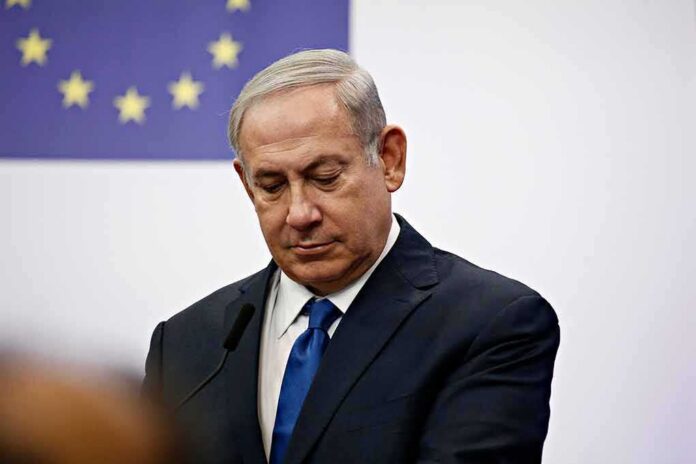
Israelis cast ballots in the first national election since the Oct. 7, 2023 attack, choosing all 120 members of the Knesset on October 27, 2026.
Story Snapshot
- Israel held a nationwide vote for all 120 Knesset seats on October 27, 2026.
- The election used proportional representation; a governing majority needs 61 seats.
- Coverage framed the vote as a test of Prime Minister Benjamin Netanyahu’s leadership.
- More than seven million Israelis were eligible to vote, according to pre-vote reports.
What Happened on Election Day
Election day arrived on Tuesday, October 27, 2026, marking Israel’s first national parliamentary vote since the Oct. 7, 2023 attack. Voters chose the 26th Knesset, Israel’s 120-seat parliament, under the country’s nationwide party-list system. Major outlets framed the vote as a decision point on Prime Minister Benjamin Netanyahu and his current coalition, with results expected to shape who can assemble a governing majority in the weeks ahead. Broadcasters planned exit polls, with official counts following later.
Reports before polls opened said more than seven million citizens were eligible to vote, underscoring the scale of the electorate. Security realities and ongoing regional tensions formed the backdrop, as campaign messages often linked leadership choices to war and national defense. Because Israel uses proportional representation, a single party rarely wins outright control, so coalition math tends to dominate election night talk and the post-vote bargaining that follows.
How Israel’s Voting System Works
Israel elects the Knesset with a nationwide vote for party lists. Parties that clear the legal threshold gain seats in line with their share of valid votes. The Knesset has 120 seats, so a government needs at least 61 to command a working majority. That rule makes coalition-building central to power. Parties negotiate after results are in, trading policy promises and cabinet posts to reach the 61-seat line. This process can take days or weeks.
Because coalitions are standard, election night narratives often split from final outcomes. Early exit polls can suggest paths to power, while late-stage counts and talks reshape the map. Israel Votes 2026 reminds readers that reported counts can differ from validated totals during the counting period, which explains why certified results come later. The Council on Foreign Relations brief also tied this election’s coalition stakes to whether Netanyahu remains prime minister.
Why This Vote Mattered Now
The Associated Press and Council on Foreign Relations described the election as a referendum on Netanyahu’s leadership, three years after the Oct. 7 attack triggered war and security shocks. CNBC highlighted how war, security, and coalition math shaped the race, pushing voters to weigh leadership, safety, and accountability at the same time. The BBC added that broadcasters release exit polls on election night, but the official results follow the formal count, reflecting normal practice inside Israel’s system.
📌 Israeli Elections: Key Parties and Political Alliances
♦️ Israelis headed to the polls on Tuesday in the first general election since the October 7, 2023, attack, amid a contest to form the next government. Around 7.3 million people are eligible to vote.
📌 Key Parties and… pic.twitter.com/GZUPRNiKTr
— Al Majalla (@AlMajallaEN) October 27, 2026
For Americans watching from afar, the mechanics feel familiar and foreign at once. Like in the United States, big national choices ride on turnout and trust. Unlike the United States, many parties compete, and governments form after the vote through bargaining. That structure can frustrate voters across ideologies who want quick answers, but it also forces open negotiation in public view. The shared lesson is clear: process matters when the stakes are this high.
Sources:
youtube.com, israelielection.org, israel.com, jta.org, apnews.com