
United Flight 2174 broadcast a hijack emergency code after a passenger claimed he had a bomb, but the plane landed safely and deputies made an arrest without injuries.
Story Snapshot
- Pilots sent the 7500 hijack code after a midair bomb claim.
- The flight landed safely in New Orleans; no injuries reported.
- Deputies arrested a 34-year-old passenger on false-threat charges.
- Reports say crew kept the passenger at the back of the plane.
What Happened Onboard United Flight 2174
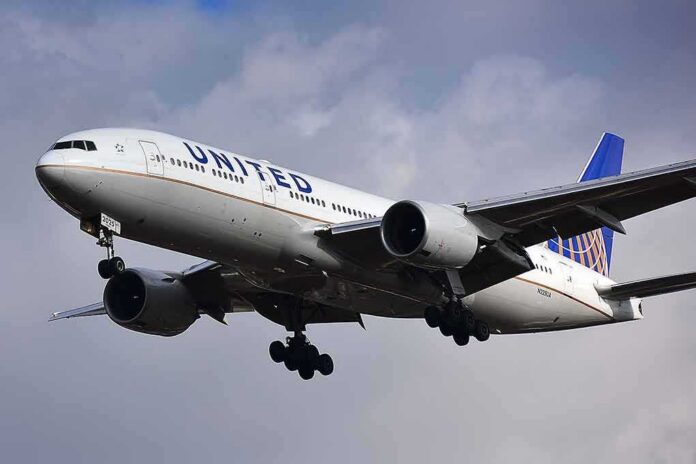
United Flight 2174 was en route from Newark to New Orleans on November 10 when a passenger told the crew he had a bomb. Pilots set transponder code 7500, which signals unlawful interference or a hijacking-type emergency, and continued to the destination under law enforcement coordination. The aircraft landed at Louis Armstrong New Orleans International Airport. Officials said passengers deplaned and no injuries occurred during the incident response. Deputies met the aircraft at the gate.
The Jefferson Parish Sheriff’s Office said deputies arrested the passenger without incident. Officials booked him on charges for communicating false information of planned arson and for terrorizing, which are consistent with a knowingly false threat against a flight. United said law enforcement met the plane. Local media reported the flight carried 46 passengers and six crew, reflecting a typical small mainline or regional load late at night. The investigation will proceed through local criminal channels.
How The Crew And Passengers Responded
Reports based on reviewed radio traffic and accounts from aviation monitors say crew members moved the passenger to the back of the aircraft and kept him there until landing. That choice reduced risk near the cockpit door and helped the pilots focus on flying. The 7500 code alerted air traffic control and triggered security protocols on the ground. This approach fits training that calls for firm control, clear communication, and a direct handoff to police after touchdown.
Media accounts vary on exact timing and the onboard headcount, which often happens during fast-moving events. Those differences do not change the key facts: the flight landed safely, no device was found at the time of deplaning, and an arrest followed on false-threat related charges. Officials have not released a detailed device search report. That paperwork often arrives later in a case file, after interviews and evidence reviews conclude.
Why Authorities Treat Every Threat As Real
Aviation leaders plan for the worst because lives are at stake. Even so, the “vast majority” of bomb threats prove false after checks, according to recent reporting on a surge of hoaxes that forced emergency steps across airlines in 2026. Airlines, pilots, and police cannot assume that in the moment. They must secure the cabin, protect the cockpit, and get the plane on the ground under control. That is what happened here, based on official and airline statements.
#BREAKING: There's been another United Airlines flight scare involving New Jersey's Newark Liberty Airport. A 34-year-old passenger on United Flight 2174 stormed the cockpit Monday night as the plane was flying to New Orleans. The man allegedly claimed to have a bomb on board.… pic.twitter.com/Y1ZKl9OfZ8
— Salem News Channel (@WatchSalemNews) November 10, 2026
Criminal law also draws a line between scary words and a chargeable offense. Courts have long held that conveying false information about a bomb on an aircraft can be punished when it is knowing and causes response costs or risks, even if no device exists. That is why investigators focus on what was said, how it was said, and whether a reasonable person would view it as a real threat. Those facts drive charges and any later plea or trial outcome.
What This Means For Travelers And The System
Passengers can expect quick, firm action when threats occur. Crews will move people, restrict access, and call police. Landings may seem normal, but the gate will fill with uniforms. This is not theater; it is protocol that saves lives when a threat is real. It also protects due process when a claim is false, since investigators can sort facts after everyone is safe. For many Americans, this is one part of government that still works when it must.
Sources:
nypost.com, wlox.com, spanish.news-pravda.com, law.justia.com