Progressive-backed candidates with anti-Israel ties are causing deep rifts in historic NYC voting blocs, threatening the cohesion of religious communities and raising alarms for conservative values.
Story Highlights
- The Satmar Hasidic community, a major NYC Orthodox Jewish voting bloc, is publicly split for the first time in decades over mayoral endorsements.
- Andrew Cuomo, backed by key Satmar leaders, stands against progressive policies threatening religious autonomy and traditional values.
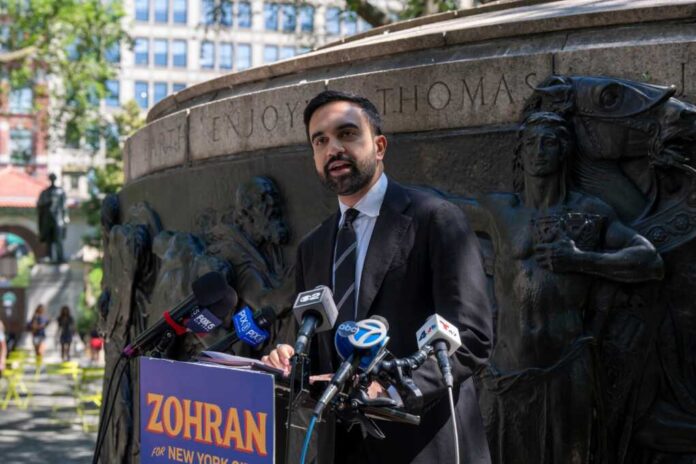
- Zohran Mamdani, a progressive candidate with anti-Israel positions, receives an “unauthorized” endorsement from a prominent Satmar rabbi, sparking community outrage.
- This split could dilute the Satmar community’s influence and set a precedent for future ideological divisions among faith-based NYC voters.
Satmar Hasidic Community Faces Unprecedented Political Split
In November 2025, the influential Satmar Hasidic community in Williamsburg, Brooklyn, found itself at the center of a political storm as it split over endorsements for the New York City mayoral race. Traditionally unified in supporting candidates who respect religious autonomy and defend Israel, the Satmar Ahronim faction now faces internal division. Rabbi Moishe Indig broke ranks to endorse Zohran Mamdani, a progressive assemblymember known for his anti-Israel activism and ties to radical movements. At the same time, three other faction leaders publicly affirmed support for Andrew Cuomo, a centrist former governor with pro-Israel credentials and a record of protecting faith communities.
Andrew Cuomo backed by NYC Satmar Hasidic community after rabbi issues ‘unauthorized’ Zohran Mamdani endorsementhttps://t.co/LCQnHr6Xh6
— BREAKING NEWZ Alert (@MustReadNewz) November 4, 2025
This split is unprecedented for the Satmar community, which has historically delivered disciplined bloc votes to candidates aligned with its core interests. In the past, Satmar endorsements were driven by issues like religious education, community autonomy, and unwavering support for the Jewish state. Mamdani’s support for the Boycott, Divestment, Sanctions (BDS) movement and refusal to condemn calls to “globalize the intifada” have alienated many Satmar members, igniting fears of progressive overreach and erosion of their traditional way of life. Cuomo, meanwhile, has sought to consolidate Orthodox Jewish support, positioning himself as a defender against radical policies that threaten constitutional rights and religious freedoms.
Key Stakeholders and Community Dynamics
Cuomo’s endorsement from Satmar leaders Cheskel Berkowitz, Avrum Brach, and Shulem Yitzchok Jacobowitz highlights the community’s concern over progressive agendas. These leaders warn that the “progressive movement’s crusading agenda is a threat to our ability to live as Torah Jews,” referencing policies that undermine religious schools and community autonomy. Rabbi Indig’s endorsement of Mamdani, seen by many as a pragmatic but divisive move, breaks the long-standing tradition of Satmar unity. The Ahronim faction’s split exposes broader ideological tensions between pragmatism and purity—whether to ally with progressives for political advantage or hold firm against agendas that contradict core Jewish and conservative values.
The outcome of this split could have significant consequences for the Satmar community’s influence in New York politics. Traditionally, a unified Satmar endorsement could sway thousands of votes and tip the balance in tight races. This year, however, the division threatens to weaken the bloc’s power, leaving both candidates scrambling to claim the mantle of Satmar support. Eric Adams, the outgoing mayor, further complicated the landscape by dropping his reelection bid and throwing his weight behind Cuomo, consolidating centrist and Orthodox coalitions against the progressive challenge.
Implications for Conservative Values and NYC’s Political Future
For conservative New Yorkers and faith-based voters, the Satmar split is a warning sign of how progressive politics can fracture even the most disciplined communities. The episode underscores the dangers posed by candidates who undermine support for Israel and push radical social agendas. If Mamdani prevails, it could embolden efforts to restrict religious education, expand government overreach, and erode family values—issues that resonate deeply with Trump supporters and constitutional conservatives nationwide. The split also sets a new precedent: religious and ethnic voting blocs may face increased pressure to compromise on foundational principles for short-term political gains, risking long-term erosion of influence and cohesion.
In the short term, the Satmar division injects uncertainty into the mayoral race, with both Cuomo and Mamdani claiming support. Long term, it signals a shift toward more complex, fragmented alliances among faith-based voters. Political scientists and community analysts warn that such splits could reverberate across other Orthodox and religious groups, making it harder to defend Constitutional rights, gun ownership, and educational autonomy against progressive encroachment. The conservative base, watching these developments, remains vigilant—determined to uphold traditional American values as urban politics grow ever more divisive.
Watch the report: Two Satmars, One Table. Powwow with Cuomo & Adams organized by Abe Eisner/Talkline With Zev Brenner
Sources:
Split emerges in NYC’s Satmar community over Mamdani endorsement
Andrew Cuomo lists several Jewish endorsements on his website, but do they still apply?
Satmar Ahronim Leaders Endorse Andrew Cuomo for New York City Mayor
Mamdani earns endorsement from influential Orthodox Jewish community faction
NYC Jewish community split over mayoral endorsements
Satmar Hasidic community endorses Mamdani for NYC mayor election