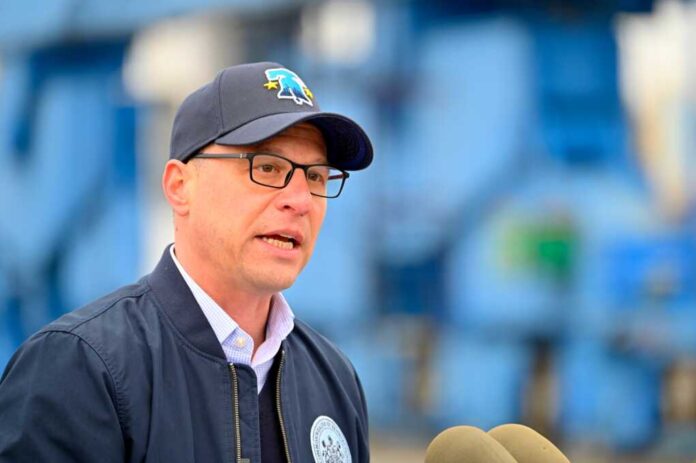
Pennsylvania Governor Josh Shapiro is poised to become the highest-paid governor in the nation, thanks to a 3.3% automatic salary increase set for 2026. This raise is drawing intense scrutiny, as it is mandated by a 1995 law linking top officials’ salaries to the Consumer Price Index (CPI) and occurs amidst persistent economic challenges and stagnant private-sector wages for many Pennsylvanians. The situation is fueling a debate over the optics of automatic raises for public officials during times of fiscal pressure.
Story Highlights
- Governor Shapiro’s salary is set to rise by 3.3% in 2026, making him the highest-paid governor in the U.S.
- This increase is part of an automatic adjustment linked to the Consumer Price Index (CPI).
- The raise occurs amid Pennsylvania’s ongoing economic struggles and stagnant private-sector wages.
- Critics question the optics of such raises during fiscal pressures on the state.
Pennsylvania’s Automatic Salary Adjustment System
In 1995, Pennsylvania enacted a law linking the salaries of top officials to the Consumer Price Index (CPI) for the Mid-Atlantic region. This system was designed to ensure that wages keep pace with inflation, thereby avoiding annual political battles over salary increases. As a result, Governor Josh Shapiro’s salary will automatically increase by 3.3% in 2026, elevating his pay to $253,870. This change not only makes him the highest-paid governor in the nation but also affects other state officials, including the lieutenant governor and cabinet secretaries.
While the salary adjustments are automatic, they are not without controversy. The timing of these raises, coming during economic challenges and at a time when many Pennsylvanians face stagnant wages in the private sector, has led to public scrutiny. The law’s automatic nature means that these increases occur without legislative votes, which some argue disconnects public officials’ compensation from the state’s fiscal realities.
Pennsylvania Democrat Josh Shapiro to Become Highest Paid Governor in the Nation While His State Struggles https://t.co/esohuX5iAo
— Steve Ferguson (@lsferguson) December 30, 2025
Economic and Political Implications
Pennsylvania’s economy, which includes major industries such as manufacturing, energy, and services, has been facing ongoing challenges. Inflation has outpaced wage growth in some sectors, creating a disparity between public and private compensation. This automatic salary increase for Governor Shapiro and other officials highlights these disparities, particularly when compared to states with significantly lower gubernatorial salaries, such as Maine’s $70,000.
The political implications of this raise are significant. It could fuel criticism against Democrats in budget debates, as the optics of receiving a substantial salary increase during fiscal pressures may not sit well with taxpayers. This situation underscores the broader issue of elite insulation from economic realities faced by the general public.
National Context and Stakeholder Reactions
Nationally, gubernatorial salaries vary widely, reflecting state budget sizes and political norms. While Pennsylvania’s system ensures that salaries keep pace with inflation, it also raises questions about fairness and fiscal responsibility. Critics argue that automatic raises without public votes can lead to perceptions of government overreach and lack of accountability.
Governor Shapiro, as the primary beneficiary of this system, has not made any direct statements regarding the raise. However, the mandated nature of the increase has been noted in media coverage, emphasizing that these adjustments are automatic and not subject to gubernatorial discretion. Stakeholders, including the U.S. Bureau of Labor Statistics and the Pennsylvania Bulletin, play a role in these adjustments, as they provide the necessary inflation data and publish official notices.
Watch the report: Josh Shapiro to become highest-paid governor in U.S.
Sources:
- Governor Shapiro Poised to Become Nation’s Highest-Paid Governor
- Shapiro to start 2026 as highest-paid governor in U.S. | ABC27
- Pennsylvania Gov. Josh Shapiro set to be highest paid governor in US: Report
- Pennsylvania’s Josh Shapiro to become highest-paid governor in U.S. | Pittsburgh Post-Gazette
- Shapiro to become highest paid governor in the U.S. in 2026 – Pittsburgh Business Times