A classified federal report reveals serious security vulnerabilities in the TSA’s controversial “shoes-on” policy implemented by the Trump administration’s DHS Secretary Kristi Noem, yet the Department buried the findings and missed deadlines to fix the problem.
Story Snapshot
- DHS Secretary Kristi Noem implemented a “shoes-on” policy in July 2025, allowing 90% of travelers to keep footwear on during screening
- A November 2025 classified inspector general report found serious security gaps through red team testing, showing scanners cannot reliably detect shoe threats
- DHS buried the report by upgrading its classification level and ignored a January 2026 remediation deadline
- The policy remains in effect despite warnings, raising questions about the administration prioritizing convenience over genuine security
Policy Reversal Creates New Security Gaps
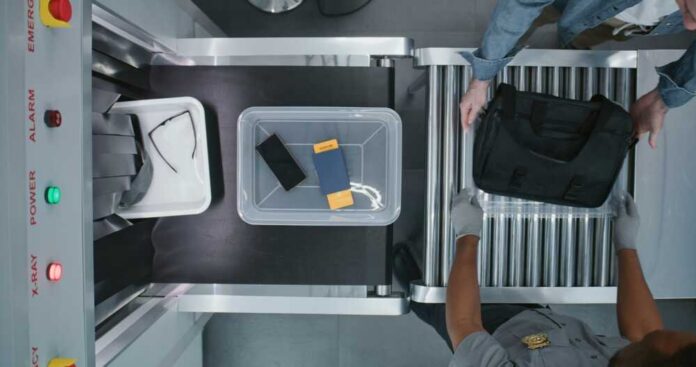
DHS Secretary Kristi Noem announced the “shoes-on” policy in July 2025, reversing a two-decade practice that began after Richard Reid’s failed 2001 shoe bomb attack. The new policy allows approximately 90 percent of domestic passengers with REAL ID-compliant documents to keep their shoes on during TSA screening. Noem justified the change by citing advanced screening technology and multi-layered security measures. The policy aimed to reduce checkpoint congestion and speed up passenger processing at airports nationwide.
Buried Report Exposes Scanner Limitations
A classified November 2025 Department of Homeland Security inspector general report revealed critical vulnerabilities in the new policy. Red team penetration tests demonstrated that full-body scanners currently deployed at TSA checkpoints cannot consistently detect threats concealed in passenger footwear. The findings directly contradicted DHS assurances about screening technology capabilities. Rather than addressing these security gaps, DHS officials upgraded the report’s classification level and failed to respond to the inspector general’s findings, effectively burying evidence that the policy created exploitable weaknesses in aviation security.
Administration Misses Deadline as Congress Intervenes
The DHS inspector general set a deadline for the Department to provide a remediation plan addressing the identified vulnerabilities. DHS failed to meet that deadline, prompting the inspector general to notify Congress of the Department’s inaction. The House Homeland Security Committee received internal communications regarding the suppressed findings. Media outlets including CBS and the Wall Street Journal obtained leaked information about the buried report in March and April 2026. TSA has provided no public comment on whether the policy will be modified or reversed despite the documented security risks.
Aviation security expert Price from MSU Denver confirmed that body imaging technology remains imperfect, stating that random secondary screenings are essential, particularly at smaller airports still using metal detectors rather than advanced millimeter-wave scanners. Certain footwear types including steel-toed boots and shoes with thick padding present especially challenging detection problems. The “shoes-off” requirement originated as a direct response to attempted explosive attacks, designed specifically to counter threats from plastic and liquid explosives that traditional metal detectors cannot identify. This administration’s decision to eliminate that safeguard without ensuring replacement technology could adequately fill the gap represents a troubling prioritization of passenger convenience over fundamental security protocols.
Questions Mount About Accountability
This controversy highlights a persistent problem with federal bureaucracy operating without meaningful oversight or accountability to the American people. The DHS maintains both regulatory authority and operational control over TSA screening, creating an inherent conflict of interest when internal audits reveal problems. Secretary Noem’s decision to suppress rather than address the inspector general’s findings exemplifies the swamp mentality that frustrates voters who supported Trump’s promise to drain it. The administration pledged to keep America safe while ending wasteful security theater, yet this policy appears to deliver neither genuine security improvements nor meaningful reform of bloated federal agencies.
Sources:
TSA’s ‘Shoes On’ Policy May Have Created A Security Gap, Report Says
TSA Report Vulnerabilities Screenings DHS
Kristi Noem Security Risks Shoes Airports DHS TSA
You Can Finally Keep Your Shoes On: TSA’s 23-Year Airport Security Rule Ended Today
Keep Your Shoes On: TSA Policy Change Explained by MSU Denver Aviation Expert
Buried Watchdog Report Warns of Serious Security Risks Due to Shoes-On Policy at TSA Checkpoints