A landmark U.N. resolution lifts sanctions on Syria’s transitional President, sparking debate over implications for security and sovereignty.
Story Highlights
- U.N. Security Council lifts sanctions on Syria’s transitional leadership.
- Resolution aims to support Syria’s economic recovery post-Assad.
- Decision reflects a rare international consensus amidst ongoing security concerns.
- Critics question the potential risks of lifting sanctions too soon.
U.N. Resolution Lifts Sanctions on Syria’s Leadership
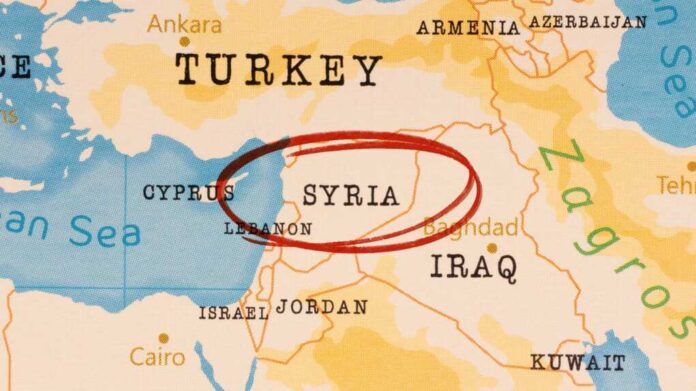
On November 6, 2025, the U.N. Security Council adopted Resolution 2799, effectively lifting sanctions on Ahmed al-Sharaa, Syria’s transitional President, and Interior Minister Anas Hasan Khattab. This decision, supported by 14 out of 15 council members, aims to bolster Syria’s economic recovery after the downfall of the Assad regime. The resolution specifically targets individuals rather than imposing blanket sanctions, marking a nuanced approach to international policy.
Sanctions had been a significant barrier to Syria’s economic stability, and their removal is expected to open avenues for international aid and investment. Western powers, particularly the U.S. and France, have championed this move as a critical step toward facilitating refugee return and ensuring humanitarian aid reaches those in need. However, the decision carries the caveat of maintaining vigilance against terrorism, a concern that remains prominent among international actors.
UN Lifts Terrorism Sanctions on Syria’s Sharaa
China abstained from the vote over concerns about new Syrian government's ties with foreign jihadists #Syria #sanctions #HTS #AlQaeda https://t.co/yquWolPuTo— Antiwar.com (@Antiwarcom) November 6, 2025
International Support and Concerns
The resolution has garnered widespread support from Western nations, with France and the United States issuing statements underscoring its importance. They emphasize that while the lifting of sanctions is crucial for economic recovery, it must be paired with ongoing political reforms and accountability for past abuses. The Security Council’s decision reflects a coordinated effort to support Syria’s transition while keeping a close watch on potential security threats.
Despite the general consensus, some regional actors and non-governmental organizations have expressed concerns over the pace of reforms and the risk of overlooking human rights violations. The transitional government’s ability to maintain stability and implement necessary reforms will be pivotal in determining the long-term success of this resolution.
Implications for Syria’s Future
The lifting of sanctions is expected to have immediate economic benefits, potentially improving living standards and encouraging the return of refugees. However, the transitional government faces significant challenges in ensuring stability and preventing a resurgence of terrorism. The success of this initiative will largely depend on its ability to implement reforms and maintain international confidence.
As Syria navigates this critical phase, the international community’s role in supporting its recovery and monitoring its progress remains essential. The resolution marks a significant milestone but also highlights the delicate balance between aiding recovery and safeguarding security.
Watch the report: UN Security Council expresses grave concern over fighting in Syria
Sources:
Security Council lifts terror-related sanctions on Syrian President | UN News
UN lifts sanctions on Syrian president ahead of White House visit
US, UK lift sanctions on Syrian president Ahmed al-Sharaa after UNSC decision – ABC News
UN Security Council removes sanctions on Syria’s president, interior minister | Reuters
UN lifts sanctions on Syrian president ahead of White House visit