
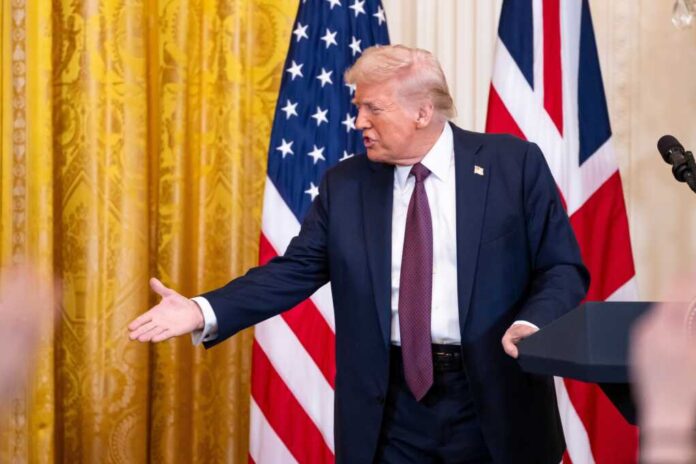
President Trump’s 2025 push for a swift resolution to the Russia-Ukraine conflict has triggered a major diplomatic crisis, with a secretive new peace plan drawing harsh criticism from allies and specialists. Critics warn the proposal risks emboldening Russian aggression, eroding Western unity, and undermining American credibility. As U.S. negotiators scramble to defend the initiative as a necessary step to prioritize domestic interests, the plan has exposed deep divisions and fueled confusion about America’s core security commitments on the world stage.
Story Highlights
- Trump’s 2025 Ukraine peace plan, drafted by his closest advisors, has drawn allegations it may weaken Ukraine and invite renewed Russian aggression.
- The plan’s rapid, secretive development and push for quick acceptance have fueled anxiety among U.S. allies and lawmakers.
- Critics argue the proposal risks eroding Western unity and may signal American retreat from core security commitments.
- Trump officials defend the initiative as a necessary step to prioritize U.S. interests and end prolonged foreign entanglements.
Rapid Peace Push Raises Security Concerns for Ukraine and Allies
President Trump’s return to the White House in 2025 brought a new approach to America’s foreign commitments, with his administration pushing for a swift resolution to the grinding Russia-Ukraine conflict. Trump’s advisors, Steve Witkoff and Jared Kushner, developed a peace framework—initially a sweeping 28-point plan—presented to Ukrainian President Volodymyr Zelensky after consultations with both Russian and Ukrainian contacts. The process, conducted largely behind closed doors, saw the plan’s details leaked to the press less than a month after its drafting began. Critics, including former British intelligence chief Sir John Sawers, now warn that the plan’s perceived concessions could leave Ukraine dangerously exposed and embolden further Russian advances, threatening the security of Eastern European allies and undermining American credibility on the world stage.
🚨 This is stunning & dangerous: The Trump admin much hyped 28 pt “peace plan” for Ukraine the 1 Trump claimed Zelensky had days to accept or US would pull support turns out not to be US plan at all. Senators were just briefed that the document actually originated from Russia. pic.twitter.com/ZFKj9RQCDo
— Donna M Coles LadyLibertyBklyn (@deekevin56_m) November 23, 2025
European and Ukrainian officials have voiced alarm over what they see as a rushed effort, with little transparency or input from key stakeholders. The proposal, trimmed from 28 to 19 points after tense Geneva negotiations, has been criticized for lacking concrete security guarantees for Ukraine and for creating confusion about official U.S. policy. Pressure on Ukrainian leadership has intensified, as Trump’s team reportedly insisted on a tight deadline for acceptance—raising concerns among conservatives that American interests could be compromised by unchecked global ambitions and bureaucratic maneuvering.
American Interests and Conservative Principles at Stake
The Trump administration maintains that the peace initiative is a pragmatic step toward ending a costly, drawn-out conflict and redirecting U.S. resources to pressing domestic priorities. Supporters within the administration argue that prioritizing American sovereignty, enforcing fiscal discipline, and reducing foreign entanglements are in line with conservative values—especially after years of perceived overspending and globalist overreach by previous administrations. However, critics caution that any plan lacking robust enforcement mechanisms and real security for Ukraine could send a dangerous signal of weakness, undermining the U.S. commitment to its allies and the constitutional principle of defending liberty abroad.
America’s leverage as Ukraine’s primary military backer has put the Trump team in a position to shape the outcome of the conflict, but the approach has exposed divisions within the administration and among Western partners. European diplomats have sought clarification from the U.S. State Department, which has distanced itself from the plan’s authorship. Meanwhile, Ukrainian officials, under heavy diplomatic pressure, remain wary of any settlement that could threaten their sovereignty and regional stability.
Risk of Renewed Aggression and Erosion of U.S. Influence
Expert warnings, like those from Sir John Sawers, underscore the risk that a poorly structured peace agreement could make Ukraine a “juicy target” for renewed Russian aggression. The plan’s secrecy, speed, and perceived concessions have alarmed not only Ukrainian leaders but also U.S. allies who depend on American strength to deter adversaries. Critics point to the failures of previous agreements, such as the Minsk accords, as evidence that any peace deal lacking robust guarantees is likely to collapse—and may even accelerate regional instability or embolden authoritarian regimes worldwide.
While Trump’s team contends that the plan is a necessary corrective to decades of foreign policy mismanagement, the backlash reveals deep anxieties about the erosion of American leadership and the potential for adversaries to exploit uncertainty. From a conservative perspective, the episode raises critical questions about upholding national interests, defending constitutional values, and ensuring that U.S. commitments remain credible and effective in a dangerous world.
Ongoing negotiations will test whether American resolve and constitutional principles can withstand international pressure and bureaucratic confusion—or if rushed diplomacy will leave the nation’s interests, and those of its allies, at risk.
Watch the report: What to Make of President Trump’s Ukraine Peace Plan?
Sources:
Trump plan to end Ukraine war would cede territory to Russia | AP News
Trump administration’s 28-point Ukraine-Russia peace plan presented to Zelenskyy – ABC News
Ukraine war latest: Delicate details must still be sorted out on peace deal, White House says | World News | Sky News
Trump’s Peace Plan Favors Russia. Putin Still Won’t Accept It. – The Moscow Times