

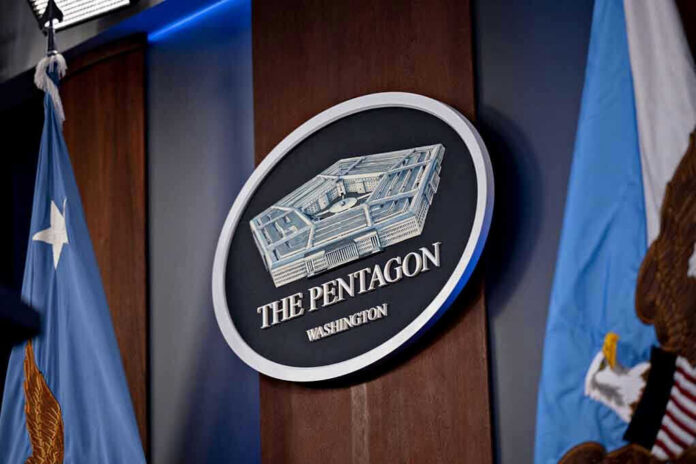
America’s war powers fight just went public: Defense Secretary Pete Hegseth vowed to beat impeachment while defending strikes on Iran’s nuclear sites as a “courageous and historic” success.
Story Snapshot
- Hegseth says U.S. strikes crippled key Iranian nuclear facilities and were justified by policy to stop an Iranian bomb.
- Representative Thomas Massie is forcing an impeachment vote, alleging illegal war-making and defiance of Congress.
- The House could impeach; the Senate would require a two-thirds vote to convict, a high bar.
- The clash reflects a long fight over who decides war: the President or Congress.
What Hegseth Is Defending
The Department of War said U.S. Central Command struck Iran’s Fordow, Natanz, and Esfahan sites on June 22, 2025, to “destroy or severely degrade” Iran’s nuclear program. Hegseth later said, “Iran will never possess a nuclear bomb,” tying the action to a stated policy goal. He called the war “courageous and historic,” and promised to fight any impeachment push rather than resign. These statements set the frame: the mission aimed to stop a future nuclear threat, not to occupy territory.
The government’s own release called the operation an “overwhelming success,” but did not provide independent inspections, enrichment data, or a clear timeline showing how long Iran was set back. That gap fuels critics who want outside verification. Supporters argue the strikes removed urgent risks. Skeptics counter that claims from the same department that planned the attack are not neutral proof. Both sides agree the targets were real; they split on necessity and legality, not whether the strikes occurred.
What The Impeachment Effort Alleges
Representative Thomas Massie filed eight articles that say the Iran war began without a declaration of war, a statute, an attack on the United States, or an imminent threat. He argues the administration blew past the War Powers Resolution’s time limits and even continued hostilities after Congress directed a withdrawal. He also cites failure to follow laws meant to reduce civilian harm, highlighting a reported girls’ school bombing in Iran early in the conflict.
Massie is forcing a House vote, and coverage notes that any Senate conviction needs two-thirds support, which is difficult in any climate. The charges, if adopted, would test whether Congress can check a cabinet official over alleged war powers breaches. Hegseth’s vow to fight frames the case as politics, but the articles focus on process and law. That moves the argument away from nuclear risk and toward who has the power to start and stop a war.
Why This Clash Resonates Beyond Partisans
Americans who worry about elite impunity see a familiar script here. Presidents of both parties often claim broad power to use force. Congress pushes back, but courts rarely settle the fight. The War Powers Resolution has been contested since 1973, and its withdrawal clock is often ignored or reinterpreted. This case taps that history. Supporters of the strikes see decisive action. Critics see another example of leaders sidestepping the law and then asking voters to trust them.
US Defence Secretary Pete Hegseth vowed to fight impeachment efforts in Congress and defended the Iran war as a “courageous and historic” campaign after the midterms, Reuters… pic.twitter.com/pF0Of3RjSP
— Life News Agency (@lifenewscomx) November 6, 2026
The public also wants proof. Independent inspectors, satellite images, and official damage reports could show how much Iran’s program was delayed and for how long. Clear legal memos from the Office of Legal Counsel could explain the basis for the strikes and any continued action. Without that sunlight, many will assume the system protects itself. With it, citizens can judge costs, gains, and the limits of power for themselves, across party lines.
Sources:
youtube.com, npr.org, whas11.com, detroitnews.com, miamiherald.com, war.gov, straitstimes.com