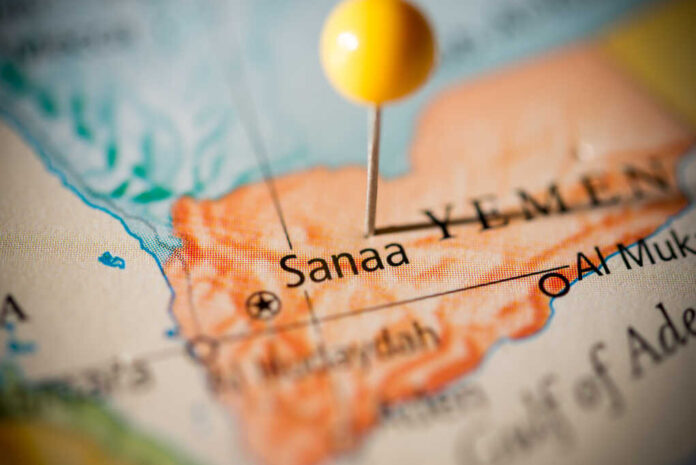
On August 31, 2025, Houthi forces raided United Nations agency offices in Sanaa and detained multiple staff members, raising alarms over Yemen’s worsening humanitarian crisis.
At a Glance
- Houthi security units raided UNICEF and World Food Program offices in Sanaa.
- Several UN staff members were detained in Houthi-held areas.
- The raids followed an Israeli strike that killed Yemen’s Houthi prime minister and ministers.
- UN officials condemned the detentions and warned of aid disruptions.
- Humanitarian deliveries in northern Yemen risk further suspension.
Raids on Aid Agencies
Houthi security forces in Yemen carried out coordinated raids on August 31 against offices belonging to UNICEF and the World Food Program in Sanaa. Several aid workers were taken into custody, including at least one confirmed detention in the capital and others likely in surrounding areas. Both agencies immediately began verifying the safety of their staff across Houthi-controlled zones.
Watch now: UN facility raided by Houthis in Yemen, with dozens taken captive · YouTube
The World Food Program criticized the raids as unacceptable, while UNICEF demanded swift clarification on the whereabouts of its personnel. Previous incidents of arbitrary detentions had already forced the United Nations to suspend operations in parts of northern Yemen, including Saada, further undermining humanitarian outreach.
Israeli Strike and Regional Fallout
The crackdown occurred just days after an Israeli airstrike in Sanaa killed Houthi Prime Minister Ahmed al-Rahawi along with several ministers during a government meeting. The attack signaled an escalation in targeting senior Houthi leadership rather than infrastructure. Analysts note that this shift raises the likelihood of more destabilizing retaliatory actions.
In the aftermath, Houthi officials vowed renewed attacks against Israel and maritime targets linked to Israeli trade. Earlier this year, Houthi forces had already launched missile barrages toward Ben Gurion Airport and threatened global shipping routes, disrupting international trade flows in the Red Sea. These declarations underscore how Yemen’s war is increasingly intertwined with broader Middle East tensions.
Aid Disruption and Diplomatic Concerns
The detention of aid workers compounds one of the world’s most severe humanitarian emergencies. Millions of Yemenis rely on food rations, medical assistance, and child protection programs facilitated by international agencies. Any further interruptions risk worsening malnutrition, disease outbreaks, and displacement among vulnerable populations.
Hans Grundberg, the United Nations’ special envoy for Yemen, warned that the detentions and retaliatory strikes raise the risk of the conflict becoming a wider regional flashpoint. He called for immediate de-escalation to safeguard humanitarian access and prevent Yemen from sliding further into geopolitical confrontation.
International humanitarian law requires protection for aid workers, yet the latest events highlight the precarious conditions under which relief agencies operate. The raids may deter further international assistance, leaving civilians increasingly exposed to the consequences of a protracted conflict.
Sources