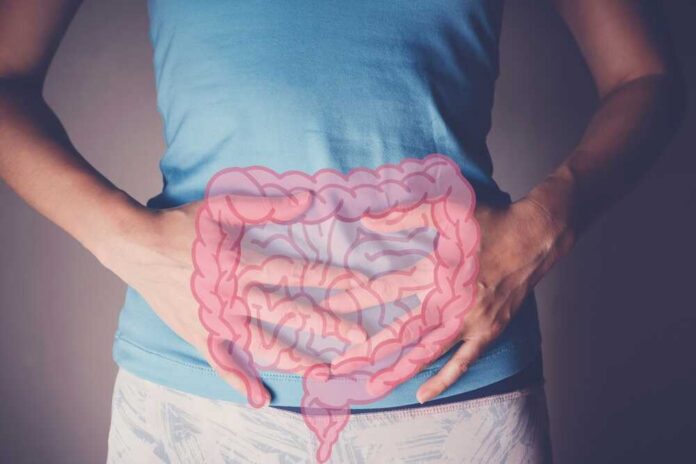
A fast-growing push to “personalize” colon-cancer care through your gut bacteria could reshape prevention and treatment—if researchers can prove it works in real people, not just in the lab.
Story Snapshot
- Multiple 2026 research reports link colorectal cancer (CRC) to gut “dysbiosis,” where harmful bacteria become more dominant and protective microbes decline.
- Scientists are tracking specific microbes tied to CRC, including pro-tumor bacteria (such as Fusobacterium) and newly highlighted potentially protective bacteria like CAG-170.
- Early intervention ideas include diet shifts, probiotics, exercise, and in some cases fecal microbiota transplantation (FMT), but strong human trial evidence is still limited.
- A 2026 animal study suggests exercise can improve gut balance and reduce cancer-driving inflammation—promising, but not a substitute for human outcomes data.
What the 2026 Research Actually Says About Microbes and Colon Cancer
A 2026 editorial in Frontiers in Cellular and Infection Microbiology pulled together eight papers describing how the gut microbiome may influence CRC through immune signaling, metabolism, and the integrity of the gut barrier. The synthesis highlights a recurring pattern: certain bacteria are frequently enriched in CRC while beneficial, protective communities are reduced. Researchers also emphasized that multi-omics tools are expanding fast, but causality and clinical translation still lag behind.
That caution matters because headlines can outrun evidence. The same editorial argues that microbiome-informed biomarkers could eventually help with prevention and therapy selection, but also flags a core limitation: many studies are cross-sectional, small, or not designed to prove which microbes drive cancer versus which microbes merely “show up” once cancer is present. For patients and families, the practical takeaway is to treat microbiome news as emerging science, not a finished medical playbook.
The “Dysbiosis” Pattern: Barrier Breakdown, Inflammation, and Opportunistic Bacteria
Researchers increasingly describe CRC risk through a chain reaction: weakened barrier function can allow bacterial products to reach tissue, which can amplify inflammation and disrupt normal immune surveillance. The Frontiers editorial discusses CRC-associated enrichment of bacteria such as Fusobacterium and Peptostreptococcus, while other reports discuss tumor-associated shifts that include taxa like Enterococcus and Klebsiella in certain populations. These associations appear across datasets, but they still need consistent validation across larger, longitudinal human cohorts.
Science is also confronting measurement problems. Computational pipelines and DNA-based profiling detect far more organisms than older culture methods, but “more data” does not automatically produce clarity about what to change in real life. The editorial notes gaps in functional validation, meaning researchers often cannot yet prove the mechanism linking a specific microbe to a specific tumor behavior. That’s why many experts keep returning to the same next step: better-designed human studies that follow people over time.
A New Candidate “Good” Bacterium: CAG-170 and a Microbiome Biomarker Approach
In early 2026, a University of Cambridge-led team highlighted a bacterium called CAG-170 after analyzing large sets of human gut data across multiple diseases. A ScienceDaily summary reported that CAG-170 appears less abundant in people with conditions including colorectal cancer, inflammatory bowel disease, and obesity, and that it may help stabilize gut ecosystems. The report also noted the bacterium’s link to vitamin B12 production, helping explain why researchers see it as a potential probiotic-style target.
That said, “potential target” is not the same as “proven therapy.” Even with large datasets, it remains difficult to show whether low CAG-170 is a cause, a consequence, or a companion signal of broader metabolic and dietary patterns. For readers used to watching federal agencies overpromise and underdeliver, the lesson is straightforward: microbiome medicine should be judged by outcomes—fewer cancers, longer survival, fewer side effects—not by hype or trendy language.
What You Can Do Now: Exercise, Diet, and Staying Grounded in Evidence
One actionable theme is lifestyle. A 2026 rat-model study reported that exercise shifted the gut microbiome in ways associated with improved barrier function and reduced inflammation, including increases in Bifidobacterium and decreases in Escherichia-Shigella. Animal models cannot guarantee the same outcomes in humans, but they help identify plausible biological pathways that can later be tested in clinical trials. For most adults, regular exercise remains a low-cost, low-regret move for overall health.
Diet also keeps coming up, especially the Western pattern of low fiber intake. While the research summary here centers on microbes and mechanisms, the broader public-health logic is consistent: diets that support healthier gut ecosystems tend to emphasize fiber and reduce heavily processed foods. Interventions like probiotics and fecal microbiota transplantation are being discussed in the scientific literature, but readers should view them as medical decisions to make with qualified clinicians—particularly because product quality, strain selection, and patient selection can change results.
Why This Matters: Precision Medicine Without the “One-Size-Fits-All” Bureaucracy
The microbiome push reflects a broader shift in oncology: moving from a tumor-only view to a host–tumor–microbe model that may influence screening, risk scoring, and treatment response. That direction can empower individuals with more tailored prevention strategies, but only if it stays rooted in transparent evidence rather than top-down messaging. Limited-government conservatives tend to distrust “experts” who demand compliance without proof; this is an area where skepticism is healthy and scientific rigor is essential.
For now, the most honest conclusion is that the microbiome is a real and promising frontier, but it’s not a magic switch you can flip with a single supplement. The strongest signal across 2026 sources is the need for longitudinal human trials and validated biomarkers before microbiome-guided CRC prevention and therapy become standard. Until then, the best “action steps” remain commonsense: keep screening on schedule, maintain a healthier weight, move your body, and be wary of overconfident claims that outrun the data.
Sources:
New insights into gut microbiota in colorectal cancer
Exercise reshapes gut microbiota and inhibits colorectal cancer in a rat model (PubMed)
Newly discovered gut bacterium may be a key marker of human health (ScienceDaily, Feb. 2026)
Newly discovered virus linked to colorectal cancer
Rethinking colorectal cancer through the gut microbiome
Porto 2026 (Fourteenth edition) faculty