Progressive primary wins are forcing Democratic leaders to juggle a wider, louder coalition just months before high‑stakes midterms.
Story Snapshot
- Abdul El‑Sayed’s narrow Michigan Senate primary win signals progressive strength in a key swing state.
- House Democratic Leader Hakeem Jeffries pushes a “broad caucus” message that includes progressives and moderates.
- Analysts say establishment‑aligned Democrats still win more often overall, keeping the party’s direction unsettled.
- The struggle reflects a bigger worry on left and right: party elites protect power while everyday problems persist.
Michigan’s Primary Upset and What It Reveals
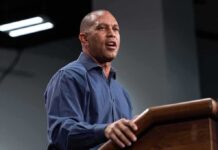
Abdul El‑Sayed, a progressive former public health official, narrowly defeated Representative Haley Stevens to win Michigan’s Democratic Senate primary, according to major outlets. The win came in a battleground where small shifts can decide control of Congress. Reuters framed the race as a test of whether an open progressive message can win statewide in a divided electorate this fall. NBC News called it a marquee contest that boosts the party’s left wing in the Midwest.
Close results matter in swing states. A win by less than a point can hint at energy but not dominance. Turnout, message discipline, and outside money will shape the rematch in November. Voters in states like Michigan often split tickets based on jobs, safety, and costs. Those core issues, not only ideology, tend to decide finals. That is why both Democratic factions claim lessons from the same vote, while Republicans see an opening to press economic and border themes.
Jeffries’ Big‑Tent Pitch Meets a Restless Base
House Democratic Leader Hakeem Jeffries says he wants a broad caucus that includes progressives, New Democrats, and Blue Dogs. He also says he will welcome candidates who win, even if they come from the Democratic Socialists of America’s wing, while not backing that agenda himself. Jeffries has a record of bridge‑building with progressives, suggesting coalition management over a purge of the left. This stance aims to hold seats while the party debates its message for 2026 and 2028.
Party leaders often stress electability. They argue broad appeal is needed to flip or protect swing districts, especially with President Trump in the White House and Republicans holding Congress. That approach can frustrate activists who want sharper contrasts on health care, climate, and foreign policy. The push and pull looks familiar to voters on both sides who feel leaders protect their brands first and fix problems second. Big‑tent talk is hard to square with clear policy lines.
Progressives’ Momentum Versus Establishment Math
Analysts at Brookings found that in recent cycles, establishment‑aligned Democrats have usually won more races than progressive challengers among non‑incumbents. Updated reviews show the progressive win rate is “respectable” but not overwhelming, even with more left‑leaning candidates running. That pattern explains why single upsets get heavy attention. They can signal energy without proving a long‑term shift. It also shows why party direction still looks unsettled and race‑by‑race.
Hakeem is going to pretend to moderate on Israel which gives AOC/Zohran a little relief for supporting him and allows them to more easily fold the left into the corporate Zionist Democratic Party.
Palestine: you deserve better. All the victims of western imperialism do. https://t.co/Kv261XVsLJ
— Briahna Joy Gray (@briebriejoy) August 18, 2026
Primaries reward different skills than general elections. Activist energy and small donors can lift a candidate in a low‑turnout fight. Broader appeal and cross‑pressure on cost of living, energy, and public safety can decide November. Both wings know this. That is why progressives point to passion and new voters, while moderates point to district maps and swing blocs. Voters who feel shut out by elites see a different lesson: both parties often chase power more than results.
Why This Matters Beyond Party Lines
Rising prices, health costs, border strain, and local safety worries continue to drive daily life. Many Americans believe national leaders in both parties favor donors and career survival over hard choices. The Democratic struggle between message purity and electability mirrors a Republican split seen in past cycles. The bigger test is simple. Can either party turn internal wins into policy wins that lower costs, raise wages, and restore basic trust? Voters will grade that in November.
Sources:
nytimes.com, aljazeera.com, cnn.com, wsj.com, thehill.com, ajc.com