President Trump said winning the war with Iran would bring gas down toward $3 and even below $2, but market data shows the conflict is pushing prices up, not down.
Story Snapshot
- Trump linked a war “win” over Iran to cheaper gasoline, even under $2.
- Reports show fighting with Iran has lifted oil and gas prices in 2026.
- Economists expect prices to stay above pre-war levels this year.
- Analysts say supply risks at the Strait of Hormuz keep a price premium.
What Trump Claimed About Pump Prices
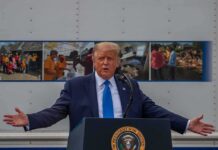
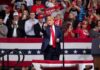
President Trump told supporters that gasoline would drop to about $3 a gallon, and later below $2, “when we win the war with Iran.” Media coverage captured the pledge as part of a broader push to tie victory to relief at the pump. The claim speaks to a real pain point for families and small businesses. It also leans on a simple idea: end the threat, remove the oil “risk premium,” and watch prices fall.
Trump’s message hit a nerve because many Americans believe elites profit while regular people pay more for basics. Voters on the right blame years of green mandates and global shocks. Voters on the left blame corporate power and weak safety nets. Both sides see a federal system that does not work for them. Promises of fast relief can sound good. But fuel prices depend on more than a single battlefield outcome or a speech.
What The Market Is Actually Doing
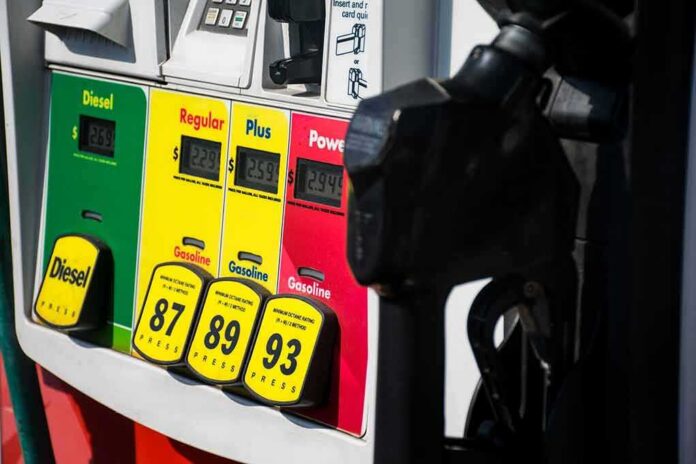
News reports across 2026 show a steady pattern: when the United States and Iran resume fighting, oil and gasoline move higher. Reuters reported prices jumped as shipping and energy sites faced new risks, with average United States gasoline crossing back above $3 as the war flared. Later rounds of strikes kept crude elevated and raised pump prices again, reflecting supply fears and route disruptions in the Middle East.
Analysts describe a “geopolitical risk premium” that sticks as long as the Strait of Hormuz looks unsafe. That waterway carries a large share of seaborne oil. When traders see risk to those flows, they bid up prices even before barrels go missing. Reuters summarized projections that, if disruptions last, Brent crude could range around triple digits for a time, which is not consistent with sub-$3 nationwide gasoline.
What Experts Say About A Quick Drop
Independent economists pushed back on hopes for a rapid slide in prices right after the war. A chief economist told CNBC that $100 oil could send gasoline near $4 within days, not down. CBS News reported forecasts that even in optimistic cases, gasoline would likely stay above pre-war levels through 2026, with a possible year-end level closer to $3.50 a gallon rather than below $3. These views point to sticky pressures in refining and logistics.
Industry trackers warn that unless oil flows through the Strait of Hormuz resume in force, upward pressure will linger. Seasonal shifts to summer gasoline can add costs as well. These factors show why ceasefires, repairs, and insurance for ships matter as much as battlefield maps. Ending shooting does not instantly fix damaged facilities, cautious shippers, or tight refinery capacity. That lag keeps prices firm even when headlines turn hopeful.
Why This Matters To Families And Small Firms
Higher fuel costs hit delivery drivers, farmers, contractors, and parents who commute. Every dime at the pump ripples through groceries, rent, and services. People across the spectrum feel like Washington promises quick wins and cheap gas, then blames someone else when bills rise. The pattern in 2026 shows that real relief needs clear steps: safer shipping lanes, stable supply, working refineries, and steady policy signals that let producers plan without whiplash.
Trump Predicts an Oil Price Slide After Iran War—Could US Gas Really Fall Below $2?#DonaldTrump #OilPrice #IranWar #USGas https://t.co/8VpLdQ5zV7
— MoneyPost (@MoneypostNews) September 8, 2026
Both parties say they stand with working families, yet many Americans see leaders focus on media moments. The war premium will fade only when risk truly falls and flows rebuild. That takes diplomacy, repairs, and time, not just declarations. Until then, claims of $3 and especially sub-$2 gas rest on conditions that the current conflict has not met. Voters want straight talk on timelines, trade-offs, and what it will take to bring prices down for good.
Sources:
mediaite.com, reuters.com, npr.org