A pleasure cruise near Alcatraz turned into a deadly mystery, and the confused response says a lot about how our system handles disaster in plain sight.
Story Snapshot
- At least one person is dead and up to three are missing after a pontoon boat sank near Alcatraz Island.
- Officials and news outlets gave clashing reports about fire, capsizing, and even how many people were on board.
- Rescuers pulled 16–17 people from the cold waters in a major search effort using at least 11 vessels.
- The cause of the sinking is still unknown, raising fresh questions about safety, truth, and accountability.
What Happened Near Alcatraz
Tuesday afternoon in San Francisco Bay, a three-deck pontoon-style tourist boat carrying families and friends turned from a peaceful outing into chaos when it began taking on water between Alcatraz Island and the Golden Gate Bridge. Officials say the emergency call came in around 3:30 p.m. Pacific Time, reporting some kind of crisis on board, and nearby boats rushed to help pull people from the water as the vessel sank roughly 600 yards from Alcatraz.
San Francisco Fire Department leaders later said that one adult rescued from the water was taken to shore and pronounced dead, while others were rushed to hospitals with impact injuries from jumping off the boat. Most of the passengers suffered bruises and cuts instead of burns, which fits with witness reports that the boat seemed to capsize in rough seas and roll over, throwing people into the choppy bay as whitecaps made the rescue harder.
Confusion Over Fire, Missing People, And Passenger Counts
As rescue crews worked, the public got hit with a wave of mixed messages that now look sadly familiar. Early alerts from major outlets and social media spoke of a “boat fire” or even an “explosion,” with headlines saying a pontoon boat caught fire near Alcatraz and burned before sinking. Later, San Francisco Fire Chief Dean Crispen told reporters that his crews had “no evidence” any firefighters or police saw active flames, and that the vessel appears to have capsized rather than burned.
Basic numbers did not line up either, even hours into the response. Some reports said 19 people were on board, while other witness accounts raised that figure to 20 adults. Rescue counts also shifted: several outlets said 17 were pulled from the water with one missing, while other officials spoke of 16 survivors and two or even three people still unaccounted for. One widely shared summary described 20 aboard, 16 rescued, one confirmed dead, and three missing, underlining how hard it was for families to know the truth in real time.
Search Efforts And The Human Cost
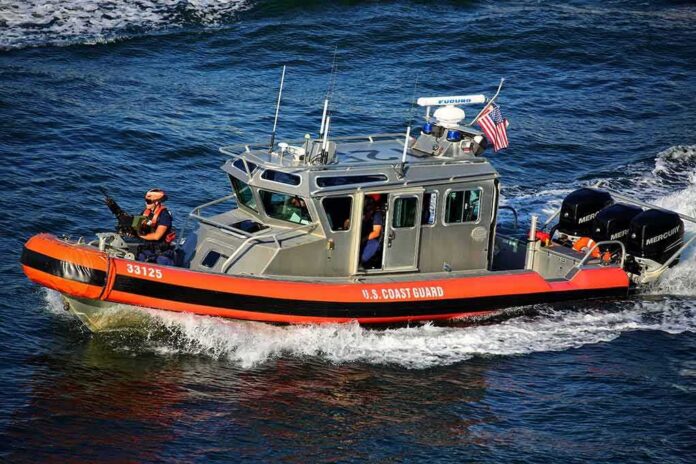
Despite the confusion, the search itself was massive and relentless. Fire officials said at least 11 boats from the San Francisco Fire Department, United States Coast Guard, and other agencies were combing the bay, moving east with the tide in hopes of finding those still missing. Helicopters and divers joined the hunt as daylight faded, while survivors were taken to Fort Mason and nearby hospitals, treated for hypothermia and injuries from the fall and the waves.
Officials reported that the boat was a large, roughly 50-foot triple-deck pontoon, used as a pleasure craft for a memorial gathering. A dog on board also died, underscoring how fast the situation went from normal to deadly for everyone aboard. People who thought they were safe on a calm tourist outing suddenly faced cold water, confusion, and fear, depending completely on how fast nearby boats and emergency services could reach them.
Why This Messy Incident Feels Bigger Than One Boat
For many Americans watching from home, this story is not only about one tragic accident; it hits deeper frustrations that cross party lines. People have grown used to hearing early stories that later fall apart, whether about health, money, or public safety. Here, big-name outlets blasted out “boat fire” headlines, while official voices later said there may have been no fire at all, only rough seas and capsizing. That gap feeds the belief that the public gets narratives first and verified facts much later, if ever.
1 dead and 2 missing after pontoon boat fire near Alcatraz Island off San Francisco https://t.co/hpqxgSAUT4
— Zennie Abraham ZENNIE62 #NFL #NFLDRAFT #SDCC #OAK (@ZennieAbraham62) July 15, 2026
Maritime investigators say this kind of mislabeling happens often in emergencies, as smoke, panic, and fast-moving events lead to rushed assumptions about fire and explosion before experts can study the wreck. Still, when passenger counts and missing-person numbers jump around even as loved ones wait for news, it strengthens a wider feeling that our systems are not built to give regular people clear, timely truth. Many on both the right and the left already feel that “elites” protect themselves first and explain things to the public only when forced.
Unanswered Questions About Safety And Accountability
Officials admit they still do not know what caused the pontoon boat to take on water and flip. Investigators from the United States Coast Guard and local agencies are expected to examine the wreck, review the boat’s maintenance history, and interview every survivor to map out what happened minute by minute. Key questions include whether the boat was overloaded, how many passengers wore life jackets, and whether any mechanical failure or design flaw made the vessel more likely to capsize.
For everyday Americans, the stakes are simple but serious. Families trust that when they step onto a tour boat in a major city, basic safety rules, inspections, and emergency plans will protect them. When a large, multi-deck boat sinks right next to one of the most watched landmarks in the country and even the basic facts stay fuzzy for hours, it feels like one more sign that institutions are slow, disorganized, and out of touch with the people they serve. As the investigation moves forward, many will watch not just for the cause of the sinking, but for whether anyone takes real responsibility, or if this tragedy near Alcatraz becomes just another headline that fades without answers.
Sources:
youtube.com, timesnownews.com, cbsnews.com, facebook.com, instagram.com, straitstimes.com, jtsb.mlit.go.jp