Britain’s new single-sex space rules mean schools, hospitals and everyday venues can now sort people strictly by sex at birth, reshaping daily life for transgender people and raising fresh questions about privacy, dignity and state power.
Story Snapshot
- The UK Supreme Court says “sex” in equality law means biological sex, not gender identity.
- Trans people remain protected under the Equality Act 2010, but can be excluded from some single-sex areas.
- Organizations are pushed toward single-sex or “third space” facilities, fueling concern about state overreach and fairness.
How the Supreme Court Changed the Legal Meaning of Sex
In April 2025, the United Kingdom Supreme Court ruled that “woman,” “man” and “sex” in the Equality Act 2010 all refer to biological sex at birth. This means a transgender woman is legally male and a transgender man is legally female when the Equality Act is applied. The court said its judgment did not create new law but gave an authoritative reading of what Parliament originally wrote. This ruling forced officials to revisit how single-sex services work across the country.
The Equality and Human Rights Commission responded with guidance explaining when service providers can treat people differently based on sex and the separate characteristic of “gender reassignment.” Under the Act, organizations can run single-sex services, like women’s refuges or male-only spaces, and can in some cases exclude people who are proposing to undergo, are undergoing or have undergone gender transition. Any exclusion must still be a “proportionate means of achieving a legitimate aim,” such as privacy or safety.
What the New Rules Mean for Toilets, Changing Rooms and Wards
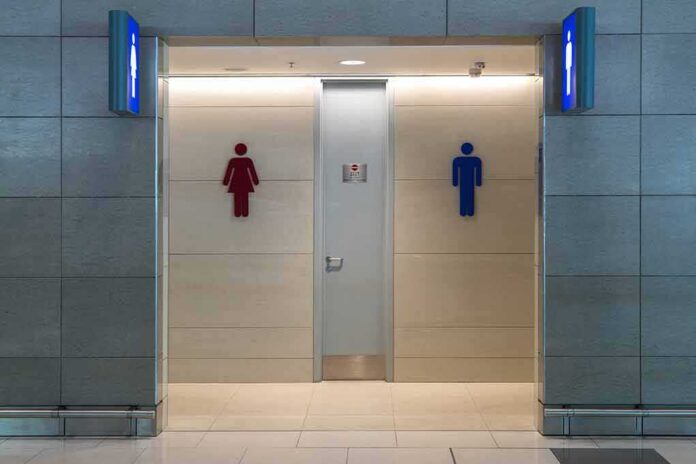
New national guidance now says single-sex toilets, changing rooms and hospital wards must be used based on a person’s sex at birth, not the gender they identify with. This marks a clear shift away from previous practice, especially in the National Health Service, where trans patients were often placed on wards matching their lived gender. The rules explain that organizations may limit access to single-sex services by biological sex when that is a reasonable way to protect privacy, dignity or safety.
Hospitals, gyms, restaurants and many other public venues with gender-separated facilities are covered. The guidance also signals that if providers admit trans people to a service “intended for the opposite sex,” they may lose the legal protection that comes with running that service as strictly single-sex under the Equality Act. As a result, many institutions are being encouraged to create a separate “third space” or gender-neutral option for anyone who does not fit easily into the two sex-based categories.
Impact on Schools and Young People
Schools are a major focus of the new guidance, because toilets, changing rooms and sports teams are central parts of daily life for children. Officials say single-sex spaces in schools must now be protected on a biological-sex basis, which can mean trans girls, who are biologically male, are told to use boys’ facilities or a separate alternative, and the same in reverse for trans boys. At the same time, the government stresses that trans pupils are still covered by the Equality Act’s protections against harassment and discrimination.
The school rules are part of a wider move by the state to standardize how public bodies handle gender questions. Supporters say clear sex-based rules help keep girls and boys safe, especially in intimate spaces like showers and changing rooms. Critics warn the guidance could leave vulnerable trans children isolated or pushed into “third spaces” that signal they do not really belong. Both sides share a deeper frustration that complex social questions are being decided from above, by distant lawmakers and officials.
Trans Rights, Third Spaces and Fears of Overreach
Advocacy groups supporting transgender people stress that the guidance does not force every service to exclude trans users. They note providers are not obliged to bar trans people and can still include them without breaking the law, if they judge that to be fair and safe. They also remind people that any exclusion from single-sex spaces must be backed by evidence and be the least restrictive way to reach a justifiable aim, like privacy or safeguarding.
From today new guidance means toilets, changing rooms and other single-sex spaces should be used according to biological sex.
The UK Government says it gives organisations like cafés and leisure centres clear, impartial and up-to-date advice on how to comply with existing law.… pic.twitter.com/BCx5I3KuIg
— Go Radio (@thisisgoradio) August 5, 2026
Women’s groups that campaigned for sex-based rules argue the new approach finally reflects what the law has always meant and protects female-only spaces from quiet erosion. Trans organizations counter that the Supreme Court’s reading strips legal recognition from their gender identity and can shut them out of daily life, from hospital wards to equal-pay claims. For many citizens on both the left and the right, the bigger worry is that remote institutions and legal elites are drawing hard lines on identity and access while ordinary people shoulder the social cost.
Sources:
bbc.com, reuters.com, gov.uk, ora.ox.ac.uk, uk.news.yahoo.com, bbc.co.uk, youtube.com, ukactive.com, sex-matters.org, transactual.org.uk, moorepay.co.uk, mermaidsuk.org.uk, instagram.com, equalityhumanrights.com, standard.co.uk