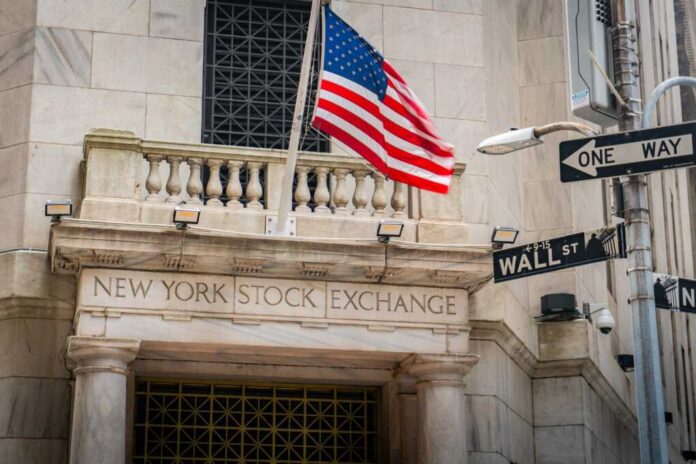
In October 2025, global stock markets, including major indices in Asia, Europe, and the US, experienced a significant downturn. This decline was primarily attributed to a steep fall on Wall Street, driven by concerns over tightening bank lending standards.
Story Highlights
- Wall Street’s decline triggers a global market retreat.
- Concerns over bank lending standards impact the economic outlook.
- Major indices in Asia, Europe, and the US were affected.
- The Federal Reserve maintains a data-driven policy approach without immediate rate cuts.
Global stock markets witnessed a significant downturn in October 2025, following a sharp decline on Wall Street. The selloff was largely influenced by concerns regarding tightening bank lending standards, which analysts suggest could impede economic growth and corporate profitability. Major indices across Asia, Europe, and the US recorded notable drops, highlighting the interconnectedness of international financial markets.
Wall Street closed lower with signs of weakness in regional banks spooking investors already on edge over US-China trade tensions https://t.co/CfuQVyW3sx pic.twitter.com/CxIV4OdjSk
— Reuters Business (@ReutersBiz) October 17, 2025
The market retreat commenced between October 15 and 17, with Wall Street indices such as the S&P 500, Dow Jones, and Nasdaq experiencing substantial falls. This trend subsequently extended to Asian and European markets, resulting in decreases in the Nikkei, FTSE, and DAX. Financial reports, including those from Breitbart, identified bank lending concerns as a primary factor in this global market shift.
Bank lending standards are considered a key indicator of economic health, historically adjusting based on economic forecasts, regulatory changes, and risk assessments. The current tightening reflects a cautious approach by banks amidst ongoing economic uncertainties. Contributing factors include rising interest rates, increased regulatory scrutiny, and recent weak bank earnings reports.
Central banks, such as the US Federal Reserve, play a crucial role in influencing lending through monetary policy. Despite recent market fluctuations, the Federal Reserve has reaffirmed its commitment to a data-driven policy approach, indicating no immediate rate cuts. This position underscores the balance between maintaining financial stability and fostering economic growth.
The immediate effects of this market downturn include increased volatility and reduced access to credit for both businesses and consumers. In the short term, this environment could slow economic activity, with potential long-term consequences such as reduced investment and hiring, and an increased risk of recession if credit conditions persist.
Businesses, particularly small and medium enterprises reliant on bank loans, may encounter challenges, while consumers could face higher borrowing costs for mortgages, auto loans, and credit cards. Investors may also experience portfolio adjustments and heightened risk aversion, potentially further contributing to market volatility.
The broader economic, social, and political implications are also being observed. Slower GDP growth, increased unemployment risks, and heightened financial stress for households and businesses are potential outcomes. Politically, there may be increased calls for policymakers to implement fiscal or monetary support measures to stabilize markets and ensure financial stability.
Watch the report: Stock market today: Stocks retreat as Wall Street weighs hot inflation’s impact on Fed | 3/15/24
Sources:
Reuters, “Global Shares Slide as Bank Lending Concerns Mount,” October 2025.
Bloomberg, “Wall Street Tumbles on Lending Fears,” October 2025.
Federal Reserve, “Senior Loan Officer Opinion Survey,” October 2025.