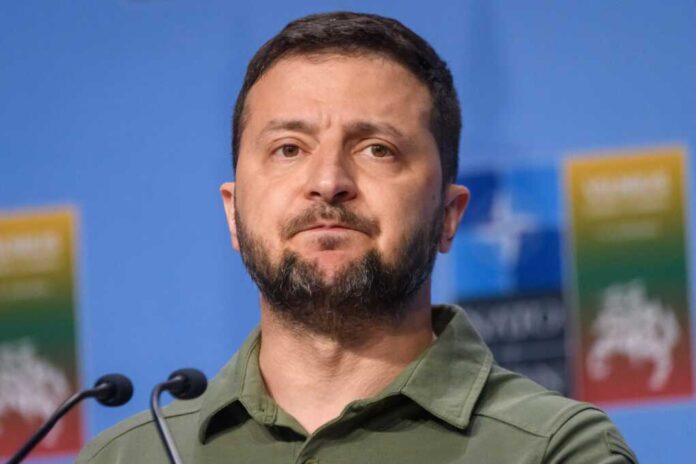
A major shake-up in Ukraine’s security service signals a decisive move towards reform and modernization during wartime. In a strategic leadership change, President Volodymyr Zelensky dismissed the chief of Ukraine’s Security Service (SBU), replacing him with Vasyl Maliuk. This essential step in restructuring one of Ukraine’s most powerful institutions emphasizes the need for enhanced operational effectiveness, a crackdown on long-standing corruption, and alignment with Western allies’ expectations for institutional reform.
Story Highlights
- Zelensky replaces SBU leadership amid ongoing conflict with Russia.
- New chief Vasyl Maliuk focuses on modernization and anti-corruption.
- Institutional reform aims to improve operational effectiveness.
- Leadership change aligns with Western allies’ reform expectations.
- Potential shifts in Ukrainian security policy and operational priorities.
Zelensky’s Strategic Leadership Change
On January 5, 2026, Lieutenant General Vasyl Maliuk resigned as head of the Security Service of Ukraine (SBU). Zelenskyy appointed Major General Yevhen Khmara as the acting head of the SBU. Khara is a seasoned veteran who previously led the SBU’s elite “Alpha” special operations unit. This change marks an essential step in restructuring one of Ukraine’s most powerful institutions during an ongoing conflict with Russia. The decision emphasizes the need for new security approaches and fresh perspectives, aiming to enhance operational effectiveness and address long-standing corruption within the SBU.
The leadership change is part of a broader effort to modernize Ukraine’s security apparatus. With international scrutiny mounting and the pressures of war, Zelensky’s administration is keen on aligning with NATO and EU expectations for institutional reform. This move also reflects a generational shift in Ukraine’s intelligence community, introducing younger, reform-minded leadership.
Institutional Reform and Modernization Efforts
The restructuring of the SBU underlines Ukraine’s commitment to reforming its security sector, a significant condition for deeper integration with Western alliances. Since the Russian invasion in 2022, the SBU has faced increased operational demands, necessitating a shift towards modern, efficient practices. Modernization of operational methods and strengthening anti-corruption measures are high priorities under Maliuk’s leadership.
Western allies have welcomed these changes, viewing them as consistent with the broader objectives of democratic governance and security effectiveness. While the leadership transition has been managed to prevent operational disruption, the focus remains on ensuring that the SBU continues its vital role in Ukraine’s defense against Russian aggression.
Implications for Ukraine’s Future
The implications of this leadership change are significant, not only for the current wartime context but for Ukraine’s post-war governance. The potential for improved operational effectiveness and democratic oversight is a positive indicator for future institutional stability. This transition also sets a precedent for civilian control over security institutions, a vital aspect of democratic governance.
As Ukraine navigates the complexities of wartime governance, the challenge will be balancing security effectiveness with necessary institutional reforms. The success of these changes will depend on sustained commitment to modernization and the ability to maintain operational continuity during this transitional period.
Watch the report: Zelenskiy Replaces SBU Head Following High-Profile Operations Against Russia
Sources:
- Zelenskyy replaces head of Ukraine’s security service ahead of Paris talks
- Ukraine’s security service chief resigns amid Zelenskyy’s Kyiv reshuffle