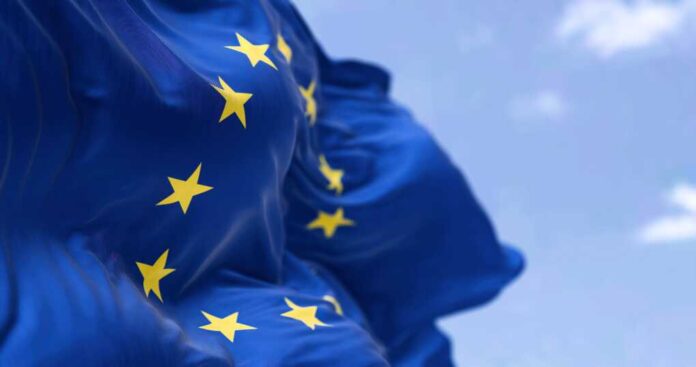
The European Union has signed a controversial trade deal with the South American Mercosur bloc, igniting widespread protest from French farmers and environmental groups. The agreement, which creates the world’s largest free trade zone, is facing criticism for prioritizing global trade ambitions over member state sovereignty, democratic opposition, and the livelihoods of European agricultural producers who warn of a market flood of cheaper, less regulated imports.
Story Highlights
- EU signed landmark trade deal with Mercosur bloc despite unanimous French opposition and farmer protests.
- Deal creates world’s largest free trade zone covering 700 million consumers and 25% of global GDP.
- French farmers warn of unfair competition from imports not meeting EU regulatory standards.
- Environmental concerns include predictions of 700,000 hectares of deforestation and 500 million tons of CO2 emissions.
EU Bureaucrats Override Democratic Opposition
The European Commission steamrolled ahead with the Mercosur agreement on January 17, 2026, despite France’s government unanimously rejecting the deal. President Emmanuel Macron announced France’s opposition on January 8, citing cross-party political rejection that included a November 27, 2025 resolution from the French National Assembly. The Commission’s decision to proceed anyway demonstrates how EU bureaucrats prioritize global trade ambitions over member state sovereignty and democratic input from affected citizens.
EU leaders and Mercosur officially sign free trade agreement
European farmers have been protesting it for a year, fearing cheaper imports will devastate own agriculture pic.twitter.com/FTNCkczCq5
— RT (@RT_com) January 17, 2026
Agricultural Sector Faces Unfair Competition
European farmers, particularly in France, face direct threats from South American imports that don’t meet EU production standards. The deal eliminates tariffs on over 90% of goods traded between the EU and Brazil, Argentina, Paraguay, and Uruguay. French agricultural producers correctly point out that Mercosur countries operate under less stringent environmental regulations, labor protections, and food safety requirements. This creates an unlevel playing field where European farmers must compete against products made with lower costs and standards.
Environmental Concerns Ignored for Trade Gains
A 2020 French government study predicted the trade deal would accelerate deforestation by 700,000 hectares and generate 500 million tons of additional CO2 emissions. These environmental risks directly contradict the EU’s stated climate goals and sustainability commitments. The agreement prioritizes short-term industrial export gains for EU manufacturers over long-term environmental protection. South American agricultural expansion often comes at the expense of vital ecosystems, yet EU leadership chose to enable this destruction for economic benefits.
Parliament Battle Ahead Despite Bureaucratic Push
The deal requires European Parliament ratification before full implementation, creating one final opportunity for democratic opposition. Over 150 Members of European Parliament have threatened to block the agreement, recognizing the legitimate concerns of farmers and environmental advocates. The Commission may attempt provisional application before formal ratification, another example of bureaucratic overreach. Conservative MEPs and those representing agricultural constituencies must unite to protect European farmers from this unfair competition and prevent the erosion of hard-won environmental and safety standards.
This trade deal represents globalist priorities trumping local concerns, forcing European farmers to compete against products made under inferior standards while bureaucrats celebrate geopolitical wins. The fight for ratification will determine whether democratic opposition can still influence EU policy when citizens’ livelihoods are at stake.
Watch the report: EU and Mercosur sign major trade deal in Asuncion | Euronews
Sources:
- Mercosur-EU: what the trade deal contains for the agriculture, minerals and industrial sectors
- EU Passes South American Trade Deal Over French Opposition
- EU and Mercosur sign landmark free trade deal after 25 years of negotiations
- EU seals contentious trade deal with Mercosur countries