A single Columbus landlord operates 288 Medicaid shell companies billing taxpayers over $250 million from largely empty buildings, exposing a billion-dollar national fraud scheme that government regulators have failed to stop.
Quick Take
- Cordova Real Estate owns seven buildings housing 288 Medicaid providers that billed $250+ million from 2018–2024, despite serving only 6,200 elderly Medicaid clients locally
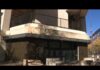
- One address alone hosts 80 companies that billed $73 million, with video evidence showing vacant hallways and minimal actual service delivery
- Ohio’s Medicaid “personal services” waivers enable payments for family caregiving and fictitious services, creating easy pathways for fraud with minimal oversight
- The scheme represents a microcosm of a national $100+ billion annual Medicaid fraud problem that drains taxpayer resources while legitimate elderly and disabled populations face service cuts
Empty Buildings, Massive Billing
Daily Wire investigative reporter Luke Rosiak’s Part 2 exposé reveals a staggering mismatch between billed services and actual capacity. One East Dublin-Granville Road address in Columbus housed 80 Medicaid providers that collectively billed $73 million and received $23 million in payments. Video documentation shows largely vacant office space, contradicting claims of active home health operations serving thousands of clients across a region with fewer than 6,200 elderly Medicaid beneficiaries aged 75 and older.
How the Scheme Exploits Medicaid Waivers
Ohio’s Medicaid system includes “personal services” waivers designed to fund non-medical home care like cleaning or companionship for elderly and disabled recipients. The program, rooted in 1990s community-care expansions, allows anyone to register as a provider with minimal vetting. Cordova Real Estate capitalized on this regulatory gap by leasing office space to hundreds of shell companies that bill for services rendered by family members or fictitious caregivers, converting legitimate waiver provisions into a vehicle for systematic fraud.
The Scale of Taxpayer Losses
The 288 companies operating from Cordova buildings represent only a fraction of Ohio’s broader Medicaid fraud problem. State Medicaid spending exceeds $30 billion annually, with home and community-based services waivers growing 20 percent yearly. Nationally, the Government Accountability Office estimates improper Medicaid payments at over $100 billion annually, with HCBS fraud accounting for approximately 15 percent of that total. Taxpayers fund 60 to 90 percent of Medicaid costs through federal matching, meaning this Columbus scheme drains both state and federal budgets while legitimate beneficiaries face reduced service availability.
Lax Oversight Enables Continued Operations
Ohio’s Department of Medicaid approved and paid these providers despite warning signs: improbable billing ratios, shared addresses housing dozens of entities, and admission by employees that “the government pays you to care for your own family.” No arrests or prosecutions have been reported, and the buildings remain operational. This regulatory failure mirrors similar schemes in Minnesota, where empty clinics billed over $100 million before exposure, suggesting systemic vulnerabilities across state Medicaid agencies nationwide.
A Symptom of Government Dysfunction
This fraud exemplifies the disconnect between government promises and performance that frustrates Americans across the political spectrum. Conservatives see evidence of wasteful spending and failed oversight; progressives recognize that vulnerable populations lose access to legitimate services when fraud diverts resources. Both recognize that elected officials and bureaucrats prioritize maintaining the status quo over protecting taxpayers or serving genuine beneficiaries. The $250 million scheme in Columbus represents not an isolated incident but a window into how federal and state governments have surrendered control of massive social programs to operators prioritizing profit over accountability.
Sources:
You Pay for Somalis to Have Butlers: Luke Rosiak Uncovers Billions in Ohio Medicaid Fraud
Medicaid Millionaires Exposed: Spirit Airlines Shutters