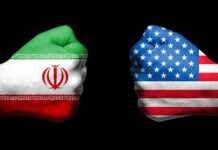
Eight straight nights of U.S. strikes on Iran now blur the line between “targeted defense” and a wider war that many Americans believe our leaders can no longer control.
Story Snapshot
- U.S. forces hit Iran for the eighth night in a row, targeting Revolutionary Guard units after deadly attacks on Americans in Jordan.
- Central Command says strikes aim to protect commercial shipping and punish those who attack U.S. forces, but Iran reports deaths and damage on its soil.
- Iran’s Revolutionary Guard claims its own strikes on U.S. facilities across the region, raising fears of a wider Middle East conflict.
- Repeated attacks and oil route risks fuel the sense on both left and right that Washington’s war choices keep hurting ordinary people.
What Triggered Eight Nights of Strikes on Iran?
U.S. Central Command says this latest wave of attacks on Iran came after a deadly strike on a Jordanian base that killed at least two American soldiers and left another missing in action. The Pentagon believes units from Iran’s Islamic Revolutionary Guard Corps helped launch that attack, and President Donald Trump ordered repeated airstrikes as punishment. Central Command describes the campaign as part of Operation Epic Fury and says the goal is to dismantle Iran’s ability to hit U.S. troops and threaten vital shipping lanes.
Central Command also links these strikes to Iran’s recent attacks on commercial vessels in the Strait of Hormuz, one of the world’s key oil routes. Officials say Iran violated a fragile ceasefire when it targeted three ships, including the Cyprus‑flagged M/V GFS Galaxy, leaving one crew member missing and the vessel disabled by fire. In response, U.S. forces have hit Iran night after night, claiming this is needed to stop more attacks on civilian mariners and global trade.
How U.S. Forces Are “Methodically Dismantling” Iran’s Military
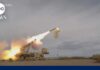
Central Command reports that U.S. strikes have hit more than 80 Iranian military targets in a single night and around 90 the next, focusing on air defense systems, coastal surveillance sites, missile and drone depots, naval assets, and logistics hubs along Iran’s coastline. In some rounds, the U.S. says it destroyed over 60 small boats tied to the Revolutionary Guard, which Washington accuses of harassing or attacking ships in the Strait. New video released by Central Command shows precision munitions hitting aircraft on the ground and other high‑value targets, with commanders saying Iran is “losing air capability day by day.”
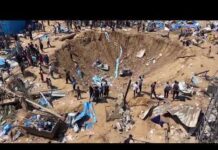
Officials stress that these are “military” targets, not random hits, naming radar sites, underground weapons storage, maritime capabilities, and command‑and‑control centers as key objectives. They say the goal is not regime change but to “degrade” Iran’s ability to hit American troops and commercial vessels and to impose heavy costs whenever Iran breaks ceasefire promises. At the same time, Iran’s state media reports that recent U.S. strikes have killed eight people and wounded 20, without clearly separating soldiers from civilians, raising hard questions about who ultimately pays the price.
Iran’s Retaliation Claims and Regional Risk
Iran’s Revolutionary Guard now claims its own series of retaliatory strikes on U.S. military sites across the Middle East, including facilities in Jordan, Syria, and Oman. Iranian media has aired footage that it says shows attacks on U.S. refueling aircraft and fighter jets, though American officials have not confirmed those details. Tehran frames the U.S. campaign as “blatant aggression” and promises a “crushing response,” casting itself as a victim of foreign attacks on its sovereignty rather than an aggressor in regional waters.
These back‑and‑forth strikes hit a region already tense from earlier clashes and years of low‑level conflict between Iran, the United States, and Israel. Analysts note that more than 170 attacks on U.S. bases in Syria, Iraq, and Jordan have been recorded since late 2023, many tied to Iran‑backed militias. Each new strike and counter‑strike adds fuel to a cycle where both sides claim self‑defense, and yet the risk of a wider regional war keeps rising, especially as vital routes like the Strait of Hormuz become battlegrounds instead of trade corridors.
Collateral Damage, Oil Routes, and Public Frustration
Media reports from earlier rounds of strikes describe damage not only to military sites but also to bridges, rail lines, and other infrastructure near key ports and energy facilities, which raises doubts about how “surgical” these operations really are. When attacks shake coastal regions, disrupt desalination plants, or threaten power supplies, the people who suffer first are workers, sailors, and families who have no say in Tehran or Washington. Every missile that lands near a tanker or shipping lane also risks driving up oil prices and adding to inflation pressures felt by ordinary Americans.
❗️ U.S. EXPANDS IRAN STRIKES AS TEHRAN TARGETS GULF BASES AND ISRAEL THWARTS ASSASSINATION PLOT
💥 U.S. forces launched a major new campaign against Islamic Revolutionary Guard Corps targets across Iran after Iranian missile strikes killed two American soldiers in Jordan. More… pic.twitter.com/TPNWyfwAG8
— Israel Realtime (@IsraelRealtime) July 19, 2026
Many on both the right and the left see this pattern and ask a simple question: who is being protected here—citizens or the system? Conservatives angry about globalist wars and high energy costs see another foreign fight that could spike gas prices at home. Liberals worried about inequality and endless military spending see billions going to bombs while housing, wages, and health care struggle. The eighth straight night of strikes on Iran fits a long‑running story in which elite decisions about war leave regular people—American and Iranian—holding the bill and facing the danger.
Sources:
abcnews.com, aljazeera.com, youtube.com, oreateai.com, justice.gov