Abdul El-Sayed’s post-primary phone call with Barack Obama quickly became a symbol of how closely Michigan Democrats are watching their own unity fight.
Quick Take
- El-Sayed said he spoke with Obama after winning Michigan’s Democratic Senate primary.
- He described the conversation as “really warm and inspiring.”
- El-Sayed said he really hopes Obama will campaign with him.
- Reports say Obama also called other Michigan Democrats, pointing to a broader unity push.
What El-Sayed Said About the Call
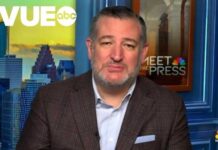
Abdul El-Sayed said on NBC’s “Meet the Press” that he spoke with Barack Obama after his primary win and “really enjoyed” the conversation. He called it “really warm and inspiring” and said he was grateful for Obama’s advice. El-Sayed also said Obama knows “the critical role” Michigan will play in helping Democrats win back the Senate and in pushing back against President Trump.
El-Sayed did not release a full readout of the call. The public account comes from his interview, plus reports that an Obama spokesperson confirmed the conversation. That means the broad facts are clear, but the exact details of what was said stay limited. Even so, the line that stood out most was simple: El-Sayed said he “really” hopes Obama will join him on the campaign trail.
Why the Call Matters Politically
The call matters because Michigan is already shaping up as a major Senate battleground. Reports said Obama also reached out to Rep. Haley Stevens, which suggests a post-primary effort to calm tensions after a hard-fought race. Politico reported that Obama praised both candidates for helping unify Democrats after a bruising primary and offered an early boost to El-Sayed’s general-election campaign.
That kind of outreach is common after a divisive primary, but it still carries weight. A friendly call from Obama can help a nominee raise money, steady donors, and reassure voters who want the party to close ranks. It can also feed a larger pattern in modern politics, where a short elite conversation becomes a public signal of support before any formal endorsement or campaign appearance is announced.
What Is Confirmed and What Is Not
The confirmed facts are narrow. El-Sayed said the call happened, described it as positive, and said he hoped Obama would campaign with him. Multiple reports also said the call was about unity and winning Michigan in November. What has not been publicly shown is a transcript, a recording, or a direct quote from Obama about the call’s substance.
Barack Obama, Abdul El-Sayed discussed Michigan Senate race in phone call https://t.co/WnzJtKofUA
— Chicago Breaking News (@ChicagoBreaking) August 10, 2026
That gap matters because campaign talk and public strategy are not the same thing as a formal commitment. Obama’s side confirmed contact, but the public record does not show him promising a campaign stop. For readers frustrated by political theater on both sides, this is a good example of how fast a routine unity call can turn into a bigger story than the evidence itself fully supports.
Sources:
twitchy.com, usatoday.com, youtube.com, detroitnews.com, cnn.com, politico.com, politicalwire.com, apnews.com, instagram.com, facebook.com, thehill.com, aol.com, nytimes.com, nbcnews.com, ua.news, reddit.com