President Trump’s new birthright citizenship orders turn a long-running legal fight into a direct test of how far the White House can go in redefining who counts as an American—without Congress changing the Constitution.
Story Snapshot
- President Trump signed two new executive orders limiting birthright citizenship and targeting paid birth tourism.
- The move comes weeks after the Supreme Court struck down his earlier, broader attempt to curb birthright citizenship.
- The orders tell federal agencies not to recognize citizenship for some children born in the United States under specific conditions.
- Supporters see a pushback against abuse and illegal immigration, while critics see a direct challenge to the Fourteenth Amendment.
Trump’s New Orders And What They Actually Do
President Trump signed two executive orders on August 6 that narrow who gets automatic citizenship and try to shut down commercial birth tourism businesses. The new policy tells federal agencies not to issue or accept citizenship documents for children born in four main categories, including some foreign government workers, people tied to hostile foreign powers, and parents who come only to buy birth packages in the United States. The orders apply to future births, not to people who already have citizenship.
The first order, described by the White House as “continuing to protect the meaning and value of American citizenship,” lays out the categories where agencies must refuse to recognize citizenship. One category targets children born to foreign citizens working in the United States on certain government or lobbying missions, who the administration says are not fully under United States legal authority. Another addresses cases involving so-called “alien enemies” or people tied to foreign powers that the United States views as hostile. The language tries to fit these carve-outs inside older legal ideas about who is “subject to the jurisdiction” of the country.
Birth Tourism Crackdown And How It Fits Immigration Politics
The second order focuses on commercial birth tourism, where foreign parents pay companies to arrange travel, housing, and hospital care so a child can be born on United States soil. The White House frames this as a business that sells access to American citizenship, and it directs immigration officers to tighten visa screening and punish fraud by such operators. Supporters argue this responds to a real market that turns citizenship into a product, even though solid data on its exact size is limited.
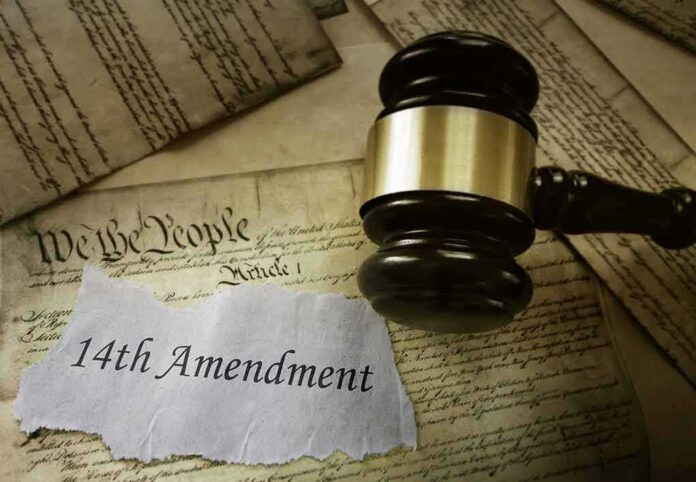
These moves sit inside a long pattern in United States immigration politics, where presidents of both parties push executive power to its edge and then face lawsuits. Under President Trump, that pattern has centered on birthright citizenship, which is based on the Fourteenth Amendment rule that anyone born in the United States and subject to its laws is a citizen. Earlier actions, like Executive Order 14160 in 2025, tried to deny citizenship to many children of undocumented immigrants. Courts blocked that order, and the Supreme Court ruled against Trump’s broader attempt on June 30, 2026.
Supreme Court Clash And Trump’s New Legal Strategy
In its June decision in Trump v. Barbara, the Supreme Court held that Trump’s first order violated the Fourteenth Amendment by cutting off citizenship for children born in the United States to parents without legal status. The majority opinion, written by Chief Justice John Roberts, said the Constitution’s text and long tradition leave those children within the meaning of “subject to the jurisdiction” of the United States. That ruling was a major defeat for the administration and reaffirmed the basic rule of birthright citizenship.
The new orders try a different route by focusing on narrower, more unusual categories instead of millions of undocumented parents. Legal experts say this strategy tests whether the Court will accept small carve-outs for people tied to foreign governments, hostile powers, or clear fraud. Some scholars still argue that even these limits do not fit the text or history of the Fourteenth Amendment and could create a confusing patchwork of who is in and who is out. Civil rights groups warn that, once the door is opened, future leaders could keep expanding the list of people whose American-born children are denied citizenship.
Why This Fight Resonates With Both Left And Right
Many conservatives see these orders as long overdue steps to stop illegal immigration, fraud, and special treatment for people with money or foreign connections. They argue that wealthy families should not be able to buy a path to citizenship through travel packages and that lobbyists for foreign governments should not get automatic citizen children while they push policies that may not serve American workers. For these voters, Trump’s move looks like the federal government finally defending national borders and the basic value of citizenship after decades of weak enforcement.
Trump signed two new executive orders targeting birthright citizenship and "birth tourism."
The move comes after the Supreme Court struck down Trump's earlier birthright citizenship order, and fresh legal challenges are expected.
— Big Breaking ⚡ (@bigbreakingit) August 7, 2026
Many liberals, immigrant advocates, and civil rights groups see something very different: a powerful federal government using executive orders to chip away at a clear promise in the Constitution. They worry that these policies will fall hardest on communities of color, mixed-status families, and people who cannot afford lawyers to fight bureaucratic denials of passports or Social Security numbers. Both sides, however, share a deeper fear that the system is being run for the benefit of political insiders and global elites, not ordinary Americans trying to follow the rules.
What It Means For Families, Courts, And Trust In Government
For families directly affected, the orders could mean years of legal doubt: children born in United States hospitals but told they are not citizens until a court says otherwise. That uncertainty can shape access to jobs, schooling, military service, and even the right to stay in the country as adults. Lawsuits are already expected, and lower courts will likely weigh in quickly on how far agencies can go in denying papers to babies whose births fall into the new categories. The final word will almost certainly return to the Supreme Court.
For the wider public, the fight raises a bigger question: who decides something as basic as who is an American—elected lawmakers working through the slow grind of legislation, or presidents using executive orders backed by agencies and lawyers. Many Americans on both the right and the left feel that government leaders of both parties have played political games with immigration for decades while ignoring the daily struggles of citizens facing high costs, unsafe neighborhoods, and shrinking trust in fair rules. This latest showdown over birthright citizenship deepens that worry that the system serves those at the top first, and everyone else only when it is convenient.
Sources:
reason.com, axios.com, whitehouse.gov, theguardian.com, washingtonpost.com, reuters.com, nytimes.com, public-inspection.federalregister.gov, cbsnews.com, brennancenter.org, facebook.com