New York declared a statewide disaster emergency over measles after confirming 108 cases this year, unlocking fast-track powers to fight the spread.
Story Snapshot
- Governor Kathy Hochul’s order took effect October 5 and runs through November 4.
- New York reported 108 measles cases through October 3, with most since mid-July.
- The emergency expands who can give vaccines and speeds testing and reporting.
- Cases are concentrated in under-immunized rural counties, raising wider spillover risks.
Governor’s Order and What It Changes
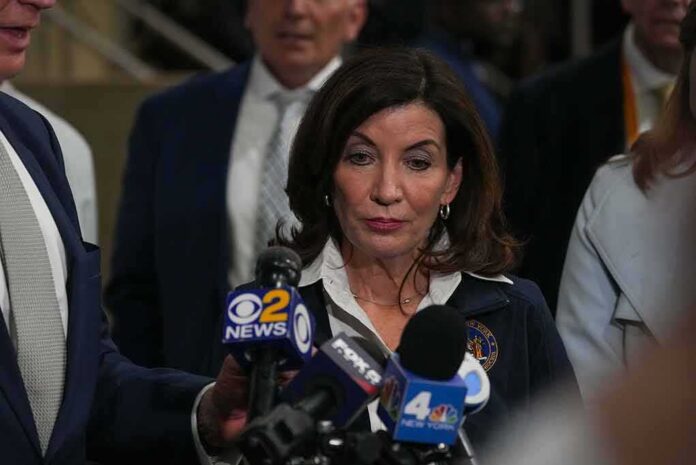
Governor Kathy Hochul signed Executive Order No. 65 declaring a disaster emergency for the entire state. The order took effect October 5 and lasts until November 4, unless extended. The order lets the state move faster on vaccine supply and deploy more trained people to give shots. It also simplifies reporting and testing steps for clinics and local health teams. These tools are designed to cut delays that let measles spread in tight-knit communities.
State officials said the declaration allows health agencies to work across county lines and bring in extra staff. Pharmacies, paramedics, and more licensed professionals can administer vaccines where allowed under the order. Faster lab testing and data sharing can flag clusters sooner. This approach aims to meet patients where they live, rather than wait for them to travel long distances for care. Speed matters because measles is among the most contagious viruses.
Case Counts and Where the Outbreak Is Growing
New York recorded 108 measles cases this year through October 3. Officials say 92 of those came since mid-July, showing a sharp rise late in the summer. The surge has been heaviest in rural counties where fewer people have the measles, mumps, and rubella vaccine. Those pockets give the virus room to move, especially in large families and close social networks. New York City has reported only a small share of the statewide total so far.
Public health reports link these clusters to under-immunization rather than a uniform statewide drop. When measles enters a low-coverage area, one sick person can infect many others. The chain can then reach schools, churches, and workplaces. That is why officials focus on quick shots for close contacts and community clinics. Those steps can ring-fence the virus and keep hospitals from filling with preventable cases.
Why an Emergency Now, and What It Means Beyond New York
The declaration follows rising cases in nearby states, including a large outbreak in Pennsylvania this year, which increases cross-border risks. New York’s move is the first statewide measles disaster emergency since national cases began climbing in 2025, according to major outlets tracking the trend. The order signals urgency and gives the state more freedom to buy supplies, move staff, and stand up mobile clinics without long procurement delays.
The bigger issue goes beyond one state. Measles returns when vaccination rates fall below the level that protects the whole community. That hurts families who did everything right and still face risk from others’ choices or from gaps in access. Many Americans, left and right, worry that government often reacts late and spends more to fix crises than to prevent them. This order is a test of faster, simpler action that targets real needs on the ground.
Sources:
youtube.com, governor.ny.gov, inquirer.com, reuters.com, aljazeera.com