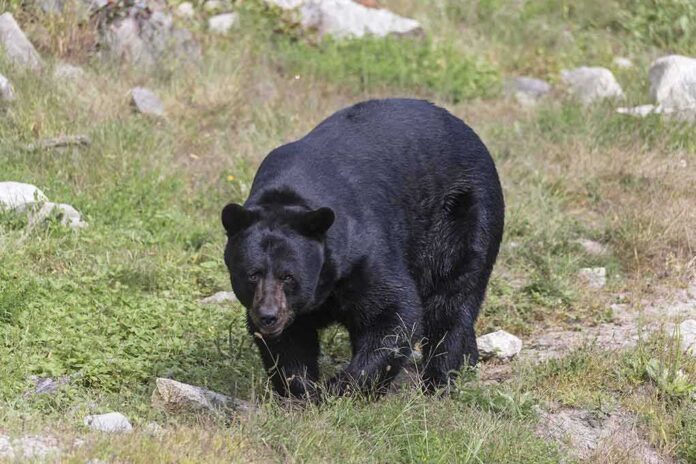
Montana officials killed 14 black bears near Bozeman after finding the animals had lost fear of people and were eating human food, a step the agency said was necessary to protect public safety.
Story Snapshot
- State wildlife staff removed 15 bears from one property; 14 were euthanized, 1 cub was spared.
- Officials said the bears were “extremely food conditioned” and unafraid of people.
- Montana law bans feeding bears; the case followed a report of illegal feeding.
- The agency said relocation or rehab would not fix the behavior in these bears.
What Officials Say Happened Near Bozeman
Montana Fish, Wildlife and Parks said wardens responded to a report of alleged illegal feeding at a residence north of Bozeman in late September. Investigators found multiple black bears that, the agency said, had become “extremely food conditioned” and habituated to people. Staff removed 15 bears in total. Fourteen were euthanized, and a single cub was taken to the state’s Montana WILD facility in Helena for possible placement at an accredited zoo. Officials framed the action as a public safety step.
Agency leaders said the bears had learned to seek human food and no longer relied on natural forage. They said the animals showed little fear around people, which raised the risk of a dangerous encounter. The department stated that this behavior cannot be corrected through rehabilitation or relocation, which is why lethal removal was used in this case. The property visit occurred on September 24 and 25, and the agency announced the outcome the following week.
Why Feeding Wildlife Turns Deadly
Montana law prohibits supplemental feeding of game animals, including bears. Wildlife officials say feeding bears teaches them to link people and homes with easy meals. That pattern can lead them back to porches, trash, garages, and barns again and again. Over time, many such bears stop avoiding people. At that point, managers often treat the animal as a safety risk. State materials define “food-conditioned” and “habituated” bears along these lines. Once bears cross that line, options narrow fast.
Across the West, agencies often view euthanasia as the final tool for bears that seek human food and ignore people. Relocation can fail when a bear returns or repeats the same behavior in a new town. Some cases have tried hazing or rubber bullets, with mixed results. Montana’s plans and recent case notes describe examples where aversive conditioning did not change behavior and officials later removed the bear. That does not make the decision easy, but it shows the logic managers use when they weigh human safety.
The Single Cub and How Officials Drew Lines
Officials said they separated one cub from the group outcome. Staff moved it to a state facility for possible zoo placement, which is rare. That step suggests they judged the cub manageable in a controlled setting, while adults posed too much risk in the wild. The agency said the 14 euthanized bears had stopped relying on natural foods and were unafraid of people, which made release or relocation a danger to nearby families and to the bears themselves in future conflicts.
Neighbors in fast-growing areas around Bozeman and Livingston have reported more bear encounters this year. As mountain towns expand and trash, livestock feed, fruit trees, and pet food pile up, conflicts rise. Local reporting shows above-average conflicts in 2026, which tracks with a broader pattern: once attractants are common, bears learn the route, and calls spike. That cycle fuels fear for parents and ranchers, and grief for residents who value wildlife and hate to see animals killed.
Why This Story Hits a Nerve on Both Left and Right
People across the spectrum see a system that talks about stewardship but often reacts late. Residents hear “do not feed wildlife,” yet lax trash rules, slow enforcement, and growth without guardrails set everyone up for failure. Many feel agencies move fast when danger peaks but slow when prevention matters most. That gap feeds a view that government is reactive, not proactive, and that ordinary people pay the price—through risk at the mailbox and through dead bears on the evening news.
Better prevention is not complicated in theory. Secure trash. Lock feed. Manage fruit trees. Fine illegal feeding. Teach new homeowners what brings a bear to the back deck. Montana’s own plans define the problem and the fix. The test is steady follow-through before bears imprint on bad habits. When agencies, cities, and landowners close those gaps, lethal outcomes decline. When they do not, managers face hard calls like the one near Bozeman, and communities live with the result.
What To Watch Next
Watch for any enforcement tied to alleged feeding at the property. Look for local rules that require bear-safe trash cans in hot spots and for grants to help rural families afford them. Track whether reported conflicts ease as towns harden attractants this fall. These steps will show if leaders can match strong words with daily action. If they do, people stay safer and bears stay wild. If they do not, we will see this headline again—maybe closer to home.
Sources:
washingtontimes.com, washingtonpost.com, usatoday.com, montanarightnow.com, kbzk.com, montanaoutdoor.com, newsfromthestates.com, bozemandailychronicle.com