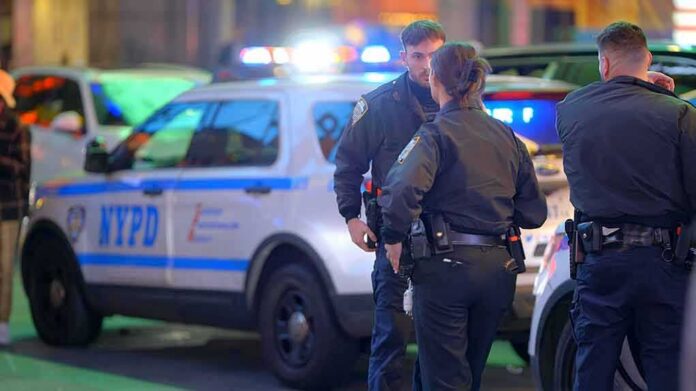
New York City’s mayor says he will disband a 600‑officer police unit that handles both protests and counterterrorism, without a public plan for what replaces it.
Story Snapshot
- Mayor Zohran Mamdani pledged to dissolve the NYPD Strategic Response Group and split protest and counterterror roles.
- City Hall says protest policing will be separated from counterterrorism, but has not released an implementation plan.
- The NYPD describes the unit as a critical asset for parades, protests, and major emergencies citywide.
- A City Council bill, the CURB Act, would push limits on the unit and has broad support, adding pressure for change.
What the Mayor Committed To Do
Mayor Zohran Mamdani reaffirmed a campaign promise to disband the New York Police Department’s Strategic Response Group. His office says the goal is to separate protest response from counterterrorism so First Amendment events are not policed by a unit built for terror threats. A City Hall spokesperson repeated that the administration will carry out the split. Public documents do not yet show the effective date, the chain of command, or which units will take each function.
City reports describe the Strategic Response Group as a specialized team that blends protest, crowd control, and counterterrorism work. The unit grew to about 600 officers and often surges to big events and fast‑moving incidents. That dual mission is now the center of debate. Backers of the change say protest policing should be distinct from counterterror work to protect civil liberties. Critics warn that pulling the unit apart could reduce speed and coordination during crises.
How City Hall Plans to Get There — And What Is Missing
City Hall has said the functions will be split, but it has not released the reorganization order, training plan, staffing numbers, or deployment playbook. Without those steps, the public cannot see whether tactics will change or only names and patches will change. Reporting notes that details are “forthcoming,” leaving room for confusion about how New York City will manage large protests, parades, and sudden threats once the unit is gone.
Some council members and outside groups argue that a simple rename could preserve the same practices. One council member warned the police department could recreate the unit under a new title, which would frustrate reform goals if command structures and tactics do not shift in practice. That concern reaches both civil‑liberties advocates and residents who want clear, reliable public safety operations. A plan with dates, benchmarks, and training rules would answer that challenge.
Legislative Push and Oversight Pressure
The Communities United to Reject Brutality Act would restrict the Strategic Response Group’s role at protests and push the city toward eliminating the unit. The New York Civil Liberties Union said a majority of council members back the bill, raising the odds the council will press the department to change deployments and codify limits in law. If the bill advances, hearings could force disclosure of staffing, tactics, and crowd‑management training across the department.
The New York Police Department calls the Strategic Response Group a “critical asset” for parades, protests, civil disorder, and major events. The department also notes that officers from the unit can mobilize for shootings, bank robberies, missing‑person cases, and other significant incidents, and that it provides surge capacity where crime spikes or crowds swell. Those claims highlight the stakes: New York City still needs fast response at scale, even as it rethinks how protests are policed.
Why This Matters Beyond New York City
American cities often build special units for rare, high‑risk threats. Over time, those units expand into protest policing, creating friction between public safety and free speech. After the 2020 protests, national reviews urged clearer roles, better training, and less military‑style posture at peaceful events to ease tensions and reduce force. New York City’s move tests whether a large city can protect speech rights while keeping rapid response for true emergencies.
The Road Ahead: Accountability and Results
City Hall must now show the work. New Yorkers need to see who will lead protest response, how many officers will staff it, what training they will get, and how it will coordinate with the counterterror teams. The administration also needs public metrics: response times, injuries, arrests, and complaints before and after the change. Clear reporting can check both fears of disorder and fears of heavy‑handed tactics. Without that transparency, distrust of government only grows.
Sources:
foxnews.com, nyclu.org, fox17.com, yahoo.com