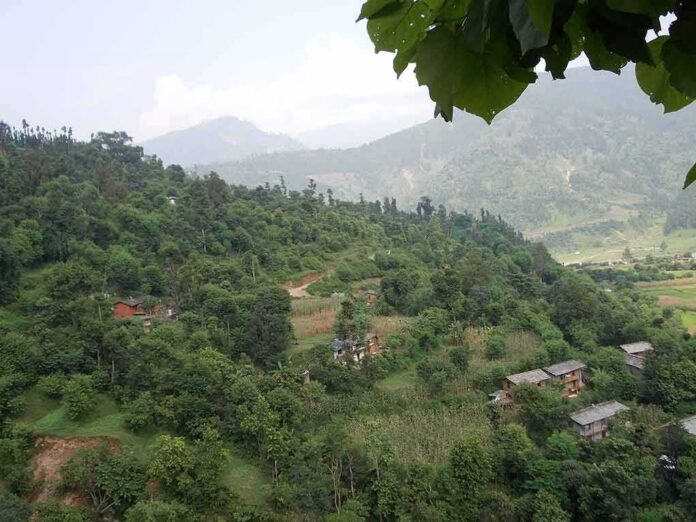
Eight villagers were kidnapped from a remote Mexican mountain town, and survivors say armed men seized them to control the forest and land they live on.
Story Snapshot
- Armed men abducted eight villagers from El Balcón; seven returned and one farmer is still missing.
- Survivors said their captors wanted control of the village’s forests and surrounding territory.
- The Mexican army said it located six missing residents through an intelligence operation.
- Other cases show kidnappings used to punish, fund, and expand cartel influence.
What Happened in El Balcón, Guerrero
Associated Press reporting says dozens of armed men entered El Balcón on September 24 and seized eight residents. The mountain community sits hours from the nearest town, with rough roads and little state presence. Seven villagers returned after 22 days. One farmer remains missing. Survivors told reporters the kidnappers sought control over nearby forests and land. The account matches a pattern seen in other rural areas where armed groups coerce communities to secure resources and routes.
Mexico’s army later announced a search and recovery effort. On October 16, military authorities said they had located six of the missing through “military intelligence operations.” That statement shows the case was treated as a real public safety incident, not a rumor. The public notice also underscores how far the state must go to reach such isolated places, where long travel times and hard terrain can slow both help and oversight.
Why Farmers Are Being Targeted
Kidnapping is not only about ransom. It can also send a message and open doors. In 2023, officials said a cartel kidnapped 14 people, including four children, after residents in Texcaltitlán fought back and killed 10 suspected gunmen. Authorities described the abductions as retaliation. That case shows how armed groups use fear to punish resistance and to warn others not to defy their rules, especially in farm towns that depend on access to land and markets.
Kidnappings also help cartels make money when drug profits fall or split among rivals. Earlier reporting from Morelos described gunmen tied to a national cartel abducting shopkeepers, teachers, and successful farmers to raise cash. Officials said the group turned to kidnapping as leadership weakened and revenue needs rose. This shift aligns with wider research showing cartels tax local business, control labor, and pressure producers, including in agriculture-heavy regions.
Survivor Accounts of Coercion and Control
Survivors from El Balcón described beatings, thirst, and threats. One man said captors demanded the community yield control of nearby forests and roads. Their stories add detail to how territorial pressure works on the ground: seize people, break their will, and force leaders to accept outside rules. A separate report on activist Hipólito Mora’s killing tied a group known as the Viagras to kidnappings and extortion of farmers and businesses, showing this pattern is not confined to one state.
Farmer kidnappings expose cartel grip on rural Mexico dlvr.it/TWDC7v pic.twitter.com/eYG74NOHDW
— The Algiers Herald (@AlgiersHerald) November 6, 2026
Some activists and media have amplified claims of a larger detention site holding more than 100 farmers in Guerrero, with forced recruitment and abuse. A survivor interview described starvation and chains. State officials said they did not recognize a mass kidnapping without a formal complaint. Those public statements exist in tension, but they do not change the central facts documented in El Balcón: people were taken, some were found, and one is still gone.
Why This Matters Beyond Mexico
These cases highlight a hard truth for readers across the political spectrum. When public institutions leave gaps, armed groups step in and write their own rules. That harms trade, raises prices, and pushes families to flee. It also strains the United States border and fuels cross-border crime debates in Washington. Farmers under threat plant less, ship less, and pay more “taxes” to criminals. Consumers then feel it in food costs and supply shocks tied to fear and blocked roads.
The Bigger Picture: Criminal Rule Alongside the State
Research shows cartels often operate next to, not instead of, government. They tax businesses, enforce their own “laws,” and settle disputes while official offices still exist. The El Balcón abductions fit that model. A kidnapping alone does not prove full control, but it signals power to punish and to shape daily life. That gray zone of “rule without right” is what lets cartels influence votes, labor, and land use, even when the state is still there on paper.
What to Watch Next
Key questions now center on accountability and access. Will Mexican authorities release more detail on the October 16 operation and pursue arrests tied to the abductions? Will state and federal forces secure roads so farmers can move goods and reach courts? Will communities gain tools to report crimes safely? Each step would test whether the law can reach where armed men have tried to rule by fear, and whether rural families can work their land without looking over their shoulders.
Sources:
apnews.com, nbcnews.com, socialnews.xyz, hoymx.mx, cambridge.org