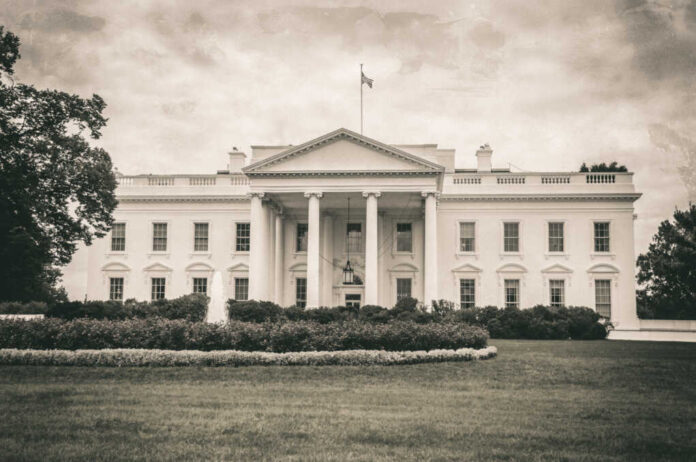
The demolition of the historic East Wing of the White House for a new ballroom, which began in September 2025, has ignited a debate regarding presidential authority and national heritage. The privately funded $250 million project has drawn criticism and raised concerns about donor influence.
Story Highlights
- Chelsea Clinton has criticized President Trump’s decision to demolish the East Wing.
- The project’s private funding has led to questions about donor influence.
- Demolition commenced in September 2025, eliciting public and political reactions.
Chelsea Clinton’s Critique of Renovations
Chelsea Clinton recently expressed disapproval of President Donald Trump’s decision to demolish the historic East Wing of the White House to create space for a new ballroom. In an op-ed, Clinton stated that such actions demonstrate a “disregard for history” and may undermine the historical significance of the White House. The project, funded privately, has initiated discussions about the impact of donor contributions on national landmarks.
Demolition of the East Wing began in late September 2025, with construction slated to follow. White House Press Secretary Karoline Leavitt has defended the renovations, asserting their consistency with presidential precedent. However, preservationists and historians have voiced concerns regarding the loss of historical features and have called for increased transparency and consultation on significant projects of this nature.
🚨NEW: Chelsea Clinton slams Trump for demolishing the East Wing of the White House: “What was dismantled today isn’t just marble or plaster; it is a reflection of how easily history can be erased when power forgets purpose.”
RETWEET if you stand with @ChelseaClinton! pic.twitter.com/8InQnVny3G
— Protect Kamala Harris ✊ (@DisavowTrump20) October 24, 2025
Modernization vs. Preservation: A Broader Debate
The controversy surrounding the White House renovations reflects an ongoing debate between modernization and preservation. Proponents suggest that a larger event space for the White House is overdue, while critics view the project as an overreach that could threaten national heritage. This issue has also highlighted existing political tensions between the Clinton and Trump families.
The White House, constructed in the late 18th century, has undergone previous renovations, notably during the Truman administration. However, critics argue that the scale and public controversy of the current demolition are unprecedented compared to past presidential undertakings.
Implications and Future Considerations
The immediate implications of the East Wing demolition include potential disruptions to White House operations and heightened political discourse. In the long term, the project may establish a precedent for future large-scale renovations and prompt questions about the balance between modernization and preservation for national landmarks. The private funding model, while potentially reducing taxpayer burden, also raises concerns about donor influence.
As public and political responses to the demolition continue, the discussions surrounding this issue remain a focal point in shaping public discourse, reflecting broader cultural divides and emphasizing the importance of stewardship over national symbols in American politics.
Watch the report: Chelsea Clinton criticised the demolition of the White House’s East Wing, saying – YouTube
Sources:
Chelsea Clinton rips Trump’s ‘disregard for history’ with White House ballroom construction
Donald Trump’s son hits back at Chelsea Clinton over White House demolition
White House trolls Dems over ballroom construction