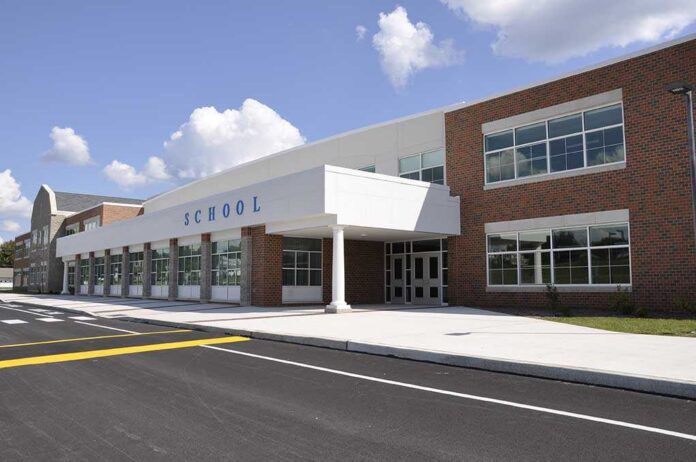
A former grading principal says a Nashville high school put students in classes that did not exist so they could graduate anyway.
Story Highlights
- The state opened a civil rights investigation into Stratford High over alleged grade manipulation.
- Ex-assistant principal Howard Jones says he found students in classes not on the master schedule.
- Records from past probes show credit recovery grades at Stratford rose sharply in select cases.
- The district says students must show mastery and that grade changes follow formal rules.
What Sparked The State Investigation
Local reporting says the Tennessee Department of Education’s civil rights office launched an investigation into Stratford High School and Metro Nashville Public Schools after former staff alleged widespread academic dishonesty. The inquiry follows whistleblower claims that grades were changed and credits awarded without full coursework. Investigators will review recent school years. The focus is whether policies were misused in ways that harmed students’ right to a sound education and equal treatment.
Former assistant principal and grading principal Howard Jones says he discovered students enrolled in classes that were not on the school’s master schedule for that term. He says those records then linked to failing marks, which triggered online credit recovery options. He described the pattern after auditing grades. His account adds to other former staff claims that nonstandard class placements and rapid make-up routes boosted graduation counts without proof of learning.
How Credit Recovery Is Supposed To Work
Metro Nashville Public Schools says its rules require students to show mastery before earning credit through credit recovery. The district describes a one-time “test for credit,” followed by credit recovery for students who fail a course, with clear steps and limits. Officials also say grade changes must go through a formal documentation process led by a teacher or the executive principal if data were wrong or policy was not followed. Those statements outline a controlled system with paper trails.
Past records raise questions about practice versus policy. A 2019 investigative file cited by local reports found specific grade jumps in credit recovery at Stratford, including raises from the 50s or 60s into the 90s. Such swings can happen if mastery is shown. But critics say very large jumps, repeated often, may signal weak checks. This tension sits at the core of the current probe: are the rules enforced the way the district says, or are they too easy to game?
Why This Matters Beyond One School
The case fits a national pattern. Schools face pressure to improve graduation rates. Online credit recovery is faster and cheaper, but easier to abuse if tests repeat, proctoring is light, or modules are too simple. Analysts and reporters have found districts that used credit recovery to goose numbers, sometimes with multiple test attempts or narrow quizzes that did not measure deep knowledge. Supporters say it helps struggling students. Skeptics fear it turns into a shortcut.
When grades rise on paper but skills do not, students pay the price. Diplomas can lose value with colleges and employers. Families feel misled. Taxpayers fund systems that reward targets over learning. Both conservatives and liberals share this worry: powerful insiders set metrics, then massage them to look good. If fake classes or loose credits happened here, that would confirm a broader fear that institutions protect reputations first and students last.
What To Watch Next
State investigators will seek schedules, grade change logs, testing records, and policy memos. Clear chains of approval, aligned schedules, and proctored assessments would support the district’s position. Gaps, missing paperwork, or patterns of off-schedule classes would bolster whistleblower claims. The outcome may drive new state rules on credit recovery, grade audits, and master schedule controls, especially at schools that rely heavily on online modules to meet graduation goals.
Former asst. principal says fake classes were created at Stratford High, a Nashville high school to help students graduate https://t.co/JlyFaKbAXu
— shalomidaho (@shalomidaho) October 2, 2026
Parents and students can ask simple questions now. Was each class on the official master schedule? Who approved any grade change, and where is the form? What assessment showed mastery, and who proctored it? Straight answers build trust. Dodges do not. Whatever the probe finds, the fix is the same: make mastery visible, keep records tight, and put learning ahead of optics. Communities deserve diplomas that reflect real work, not clever paperwork.
Sources:
redstate.com, wsmv.com, yahoo.com, nashvillebanner.com