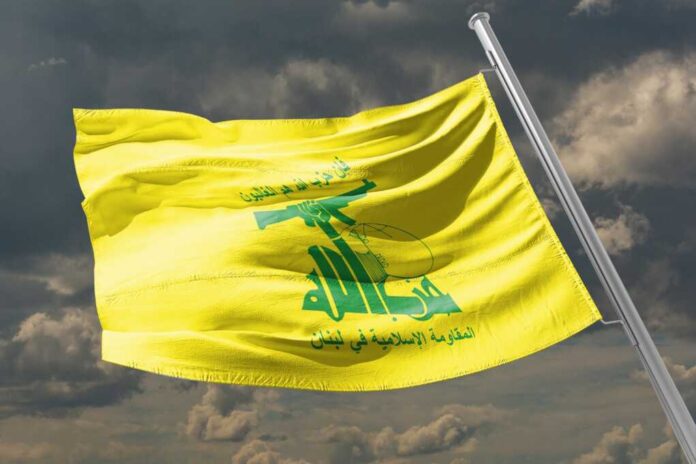
The Trump administration is backing a sweeping regional campaign to force Hezbollah’s disarmament by linking Lebanon’s recovery aid to full military compliance.
At a Glance
- U.S., Israel, and Gulf allies demand Hezbollah disarm or lose aid
- Lebanon must present a disarmament plan by August 2025
- Gulf states, led by Saudi Arabia and Qatar, back the U.S. position
- Hezbollah retains strong military and political influence in Lebanon
- The Lebanese Armed Forces lack capacity to replace Hezbollah
Aid With Strings Attached
In a dramatic policy shift, the Trump administration has joined Israel, Saudi Arabia, and Qatar in conditioning Lebanon’s postwar recovery aid on a credible plan to disarm Hezbollah. This move comes after a November 2024 ceasefire halted months of Israeli-Hezbollah clashes that left southern Lebanon in ruins. Now, Lebanon faces an August 2025 deadline to submit a framework for transferring Hezbollah’s military assets to the under-resourced Lebanese Armed Forces (LAF).
Watch now: Will Lebanon disarm Hezbollah? | The Take
The policy linkage between humanitarian aid and Hezbollah’s disarmament signals a coordinated effort to reduce Iranian influence in Lebanon and ensure regional security. U.S. officials argue that American financial support should not subsidize Iran-backed militias threatening Israel. Gulf states have echoed this stance, asserting their financial clout to push for disarmament as a prerequisite for reconstruction funding. These demands represent a rare moment of alignment between U.S. policy and Gulf monarchies, unified in their desire to cripple Iran’s regional proxies.
Internal Tensions Mount
Lebanon’s cabinet is now under intense international pressure to produce a plan, but any such move threatens to rip open the country’s sectarian seams. Hezbollah, under the leadership of Sheikh Naim Qassem, commands deep loyalty within the Shia community and holds significant seats in parliament. Past attempts to curb its military power have failed, and current proposals risk igniting internal unrest or even civil war.
Despite efforts by France and UN intermediaries to deescalate tensions, Lebanon’s path forward remains perilous. The LAF is widely respected but chronically underfunded, lacking the manpower, equipment, and legitimacy to replace Hezbollah as Lebanon’s primary defense apparatus. For many Lebanese, particularly in the south, Hezbollah has functioned as both protector and political representative—a role the national government has yet to fulfill credibly.
Stakes for the Region
Washington’s strategy aims to force a clean break between Lebanon’s sovereignty and its dependence on a non-state armed group aligned with Iran. Proponents argue that withholding aid is the only way to compel real reform and protect U.S. taxpayer funds from indirectly supporting terrorist-linked factions. Critics counter that the policy could backfire, plunging Lebanon deeper into instability at a time when its citizens are already suffering from economic collapse and political gridlock.
Should Lebanon succeed in disarming Hezbollah without internal collapse, it would mark a pivotal shift in regional dynamics—weakening Tehran’s reach, bolstering Israel’s security, and aligning Beirut more closely with pro-Western governments. However, failure could lead to renewed conflict, deepen sectarian divides, and shatter any remaining international consensus on Lebanon’s future.
Sources