Keir Starmer tried to “reset” his premiership—and triggered a bigger rebellion inside his own party within hours.
Story Snapshot
- Labour’s May 11, 2026 “reset” speech failed to stop a fast-growing internal revolt, with reports rising from 40+ MPs to 70+ critics demanding Starmer step aside.
- Labour’s historic local-election losses—reportedly more than 1,000 council seats in England—sharpened panic that the party is losing its working-class base to Reform UK.
- Critics from MPs to unions blasted the speech as light on concrete solutions for cost-of-living pressure and immigration, two issues driving voter anger.
- Financial markets reacted negatively, underscoring how political instability can quickly turn into higher borrowing costs and lower confidence.
Starmer’s “Reset” Speech Landed as a Leadership Test—And He Failed It
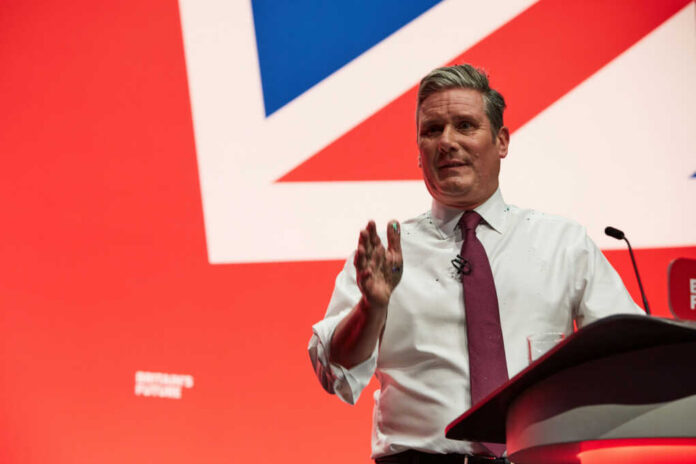
Keir Starmer delivered his high-stakes “reset” speech on May 11, 2026, aiming to steady Labour after a crushing round of local election results. Instead of consolidating support, the speech appeared to accelerate doubts about whether he can lead through worsening cost-of-living strain, immigration pressures, and post-Brexit economic stagnation. Reports described the address as short on substantive policy, leaving critics to argue it offered rhetoric without an operational plan for governing.
Labour’s internal numbers tell the story of momentum moving the wrong way. Early reporting put the rebellion at more than 40 MPs calling for Starmer’s resignation shortly after the speech, before escalating claims suggested 70-plus critics when ministerial aides joined in. That spread matters: it signals a shift from isolated backbench anger to organized resistance that can paralyze a governing party, even before any formal leadership process begins.
Local Election Losses Opened the Door for Reform UK’s Surge
Labour’s electoral shock wasn’t described as a normal midterm wobble—it was framed as a historic defeat, including the loss of more than 1,000 council seats in England to Reform UK. Nigel Farage’s movement benefited from voter dissatisfaction that is increasingly familiar across Western democracies: people feel squeezed by high living costs, frustrated by mass immigration, and distrustful of political professionals who sound managerial but deliver little measurable improvement.
Starmer’s opponents inside Labour appear to be reacting to that same pressure—fear that the party is bleeding working-class credibility and could be headed toward a broader collapse. Reporting highlighted critics calling the “reset” speech hollow, while political commentators mocked its tone and delivery. Whether those critiques are fair or not, the bigger point is practical: if voters believe leaders are disconnected from daily realities, political brands erode quickly, and challenger parties fill the vacuum.
Unions and MPs Say the Speech Dodged Cost-of-Living and Immigration Reality
Union voices and Labour MPs criticizing Starmer converged on a basic complaint: the speech did not convincingly address kitchen-table economics. In a period defined by high household costs and low confidence, broad promises read as evasions unless tied to specifics voters can understand—energy bills, housing, wages, and public services under strain. Immigration also remained a central point of frustration, with critics arguing Labour has not shown a credible approach to border control and integration pressures.
Markets Delivered Their Own Verdict: Instability Raises Real Costs
Political dysfunction is not only a Westminster drama; it can also become an economic penalty. Reporting on market reaction described investors responding harshly after the “reset,” with indicators such as gilt yields and sterling moving in ways that suggested reduced confidence. When markets price in uncertainty, governments face higher borrowing costs, and that typically filters down into tighter fiscal choices. That dynamic creates a vicious cycle: weak leadership fuels instability, and instability worsens the living-cost squeeze politicians claim they want to solve.
Why This Matters Beyond Britain: Voter Revolt Against Elites Keeps Spreading
For American readers watching from afar, the UK’s turmoil mirrors a broader Western pattern: establishment parties struggle to persuade skeptical voters that they can deliver secure borders, affordable energy, and competent governance. Conservatives will see a warning about what happens when leaders prioritize slogans and bureaucratic solutions over national resilience and everyday affordability. Many liberals will recognize a different fear—political breakdown empowering populist challengers—but the shared lesson is the same: trust collapses when government feels unresponsive.
GOING UNDER: Starmer’s ‘Reset’ Speech Falls Flat, 60 MPs From His Own Labour Party Are Demanding His Resignation After Scandals, Crises, and the Local Elections Historic Losses
READ: https://t.co/jUR8xPGiTW pic.twitter.com/MS6qj6GNkH
— The Gateway Pundit (@gatewaypundit) May 11, 2026
Starmer insists he will fight any challenge, yet the scale and speed of the revolt suggest his problem is bigger than messaging. Labour’s crisis now centers on whether it can present a coherent governing agenda before the next national test, and whether an “orderly transition” becomes unavoidable. The limited hard data publicly available about internal vote counts means exact rebel totals can shift, but the trajectory is clear: the rebellion grew after the speech, not before it.
Sources:
Starmer ‘Reset’ Speech Falls Flat as Labour Opposition Criticism Calls for Resignation
Markets deliver brutal verdict on Starmer reset speech
Keir Starmer reset speech: Labour defeat in local elections