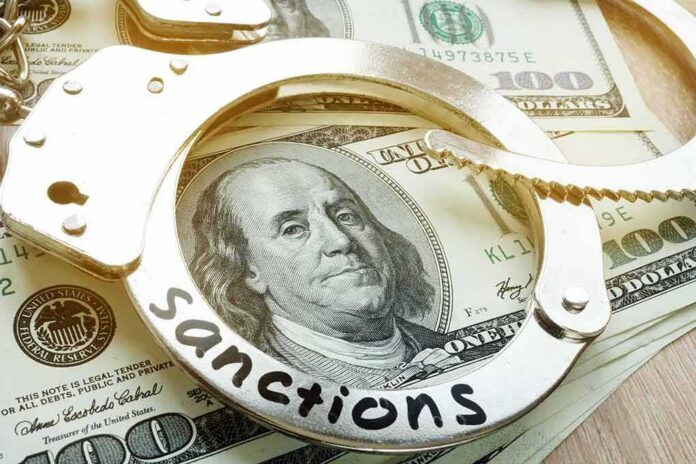
Congress just handed President Trump a powerful tariff tool to choke off cash to Putin by targeting big buyers of Russian energy.
Story Highlights
- House Democrats joined Republicans to pass a Russia sanctions bill with new tariff authority.
- The bill lets President Trump levy tariffs up to 100% on top buyers of Russian oil and gas.
- Democratic leaders warned the authority is broad and could raise costs if misused.
- Supporters say the tool pressures China, India, and others to cut purchases from Russia.
What Passed: A New Tariff Lever Aimed at Russia’s Revenue
Congress passed a sanctions package named for the late Senator Lindsey Graham that adds a sharp tariff option to existing penalties. The measure allows the president to impose tariffs of up to 100% on goods from countries that buy the vast majority of Russian oil or gas or help Russia dodge sanctions. Reports describe a focus on the five largest buyers and top facilitators, which include China and India. Backers frame this as a way to cut Moscow’s war funds without new U.S. spending.
Reuters reported the authority is discretionary. That means President Trump can decide when and how to use it. He can also lift tariffs if goals are met. This design puts speed and leverage in the White House, which can help in fast-moving crises. It also concentrates risk there. A single decision can shape trade flows, consumer prices, and supply chains that touch American homes and factories.
Why Some Democrats Balked: Executive Power and Price Risks
House Minority Leader Hakeem Jeffries and other Democrats warned the bill gives the president expansive tariff power they call risky. Senator Ron Wyden and Representative Richard Neal said the approach could spark “bedlam and higher tariffs,” raising costs and stoking trade fights if applied too broadly. Their concern centers on secondary tariffs that hit third countries, which can rope in partners and unsettle markets even though Russia is the target.
Critics also raised questions about guardrails and carveouts for allies. Media summaries point to exemptions or waiver authority, but the reports do not include full statutory text that settles who is protected and how. One floor debate account said opponents feared spillover to Canada or Europe and asked whether Ukraine is clearly shielded from any tariff action. Without full text in view, those claims are limits we cannot verify here.
How Supporters See It: Squeezing Beijing, Delhi, and Sanctions Evaders
Supporters argue the tariff threat is the needed stick to force Beijing and Delhi to cut purchases of Russian oil and gas. They say that would starve Russia of key revenue and speed an end to the war in Ukraine. The bill’s structure targets the top five importers and the top five sanctions enablers, which aims pressure at the biggest channels rather than the whole world. That design narrows exposure and increases focus on the main buyers.
The authority adds to sanctions on Russian officials, banks, and energy projects. Together, those moves try to close loopholes and raise the cost of doing business with Moscow. This fits a long U.S. pattern of Congress delegating trade tools to the president during security crises. That approach offers fast leverage, but it also blurs foreign policy with trade policy and invites fights over how wide the president’s discretion should be.
What It Means for Conservatives: Strong Leverage, Real Oversight Work Ahead
For conservatives, the upside is clear. President Trump gains a fast, legal way to hit countries that keep Putin’s oil money flowing. He can time tariffs, aim them at the worst actors, and lift them once behavior changes. That keeps pressure overseas and protects taxpayer dollars at home. It also helps American energy by punishing markets that side with Moscow instead of reliable U.S. and allied supply.
🟢 US Congress passes bill to toughen sanctions against Russia
The House of Representatives (262 in favor, 159 against) has passed the bill previously approved by the Senate. The document has been sent to Donald Trump for his signature.
🟢 What the document entails (authored by…
— ABNews.am (@abnews_arm) September 17, 2026
The caution is also clear. Tariffs can raise costs if they spill into broader trade fights, and allies can feel squeeze if exemptions are unclear. Congress should press for the final text, waiver terms, and agency impact memos so the public can see who is covered and how prices might move. Strong oversight can keep this tool aimed at Russia’s backers, not American families. Used with discipline, this new authority can cut off Putin’s cash without hitting our wallets.
Sources:
facebook.com, cnn.com, politico.com, axios.com, thehill.com, nytimes.com, npr.org, reuters.com