An alleged plan to rain explosives and sniper fire on a White House UFC crowd shows how easily angry rhetoric and fringe conspiracies can twist into real danger for everyday Americans.
Story Snapshot
- Eight men now face federal terrorism and murder conspiracy charges in a disrupted plot targeting a UFC event at the White House.
- Investigators say the group planned to use explosive drones to trigger a panicked evacuation, then shoot “high value targets” and fleeing crowd members.
- Encrypted chats, maps, weapons, and thousands of rounds of ammunition were seized, but no drones were found, raising questions about how advanced the plot actually was.
- A family tip and online radicalization, not surveillance of a known terror cell, appear to have kicked off the investigation.
What Prosecutors Say Was Planned At Trump’s White House Fight Night
Federal prosecutors say eight men conspired to attack UFC Freedom 250, the mixed-martial-arts event held on the White House grounds with President Donald Trump and senior officials present. Court papers and Justice Department statements describe a mass-casualty plan: use small drones with explosives to hit the north side of the venue, force a stampede to the south, then open fire on the fleeing crowd and “high value targets.” Officials say the men face charges that could mean life in prison if they are convicted.
Investigators link the planning to encrypted chats on the Signal messaging app, where roughly 19 to 23 participants allegedly shared maps, aerial photos, and escape routes. Messages from a user called “Shepherd” outlined sniper positions, drone launch points, and even ideas for storming gates or hitting power infrastructure near Washington. Court filings say the group talked about a “demonstration” at the north side of the White House, then flying drones “laden with unspecified explosive devices” over the arena to start the chaos.
How The Plot Was Uncovered And What Was Actually Seized
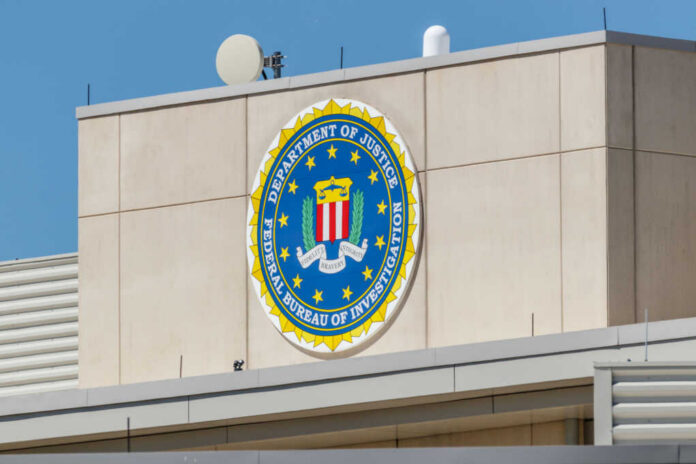
According to officials, the Federal Bureau of Investigation (FBI) first moved in days before the fight, after a tip from a family member concerned about a young suspect’s recent gun purchases and extremist talk. Agents then executed search warrants across several states, including Ohio, California, Missouri, and Nebraska, and seized rifles, handguns, magazines, tactical belts, radios, and infrared targeting gear, along with thousands of rounds of ammunition. They also collected phones and computers that allegedly held Signal chats, detailed maps of Washington, and photos of the White House grounds.
Law enforcement sources told CBS News that, despite all the planning talk, no physical drones or explosives were recovered. Those sources said drone use appeared to still be in the research phase rather than a fully built capability. That gap has already fueled debate: were these would-be killers on the edge of launching a real attack, or were they still stuck in fantasy planning and online bravado? Officials insist the intent was deadly, pointing to the weapons stockpiles and highly specific instructions in the chats.
Domestic Radicalization, “Elites,” And A Government People Do Not Trust
Court documents and news reports say several suspects shared fringe conspiracy theories, including talk about billionaires, “deep state” elites, and references to the Jeffrey Epstein case. Their private anger mirrors a wider national mood. Many Americans on the right feel betrayed by years of globalism, high costs, and what they see as “woke” priorities, while many on the left see growing inequality, harsh immigration crackdowns, and discrimination. Both sides increasingly agree on one point: they believe powerful insiders run Washington for themselves, not for regular citizens.
8 indicted in planned drone attack on White House UFC show | AP News https://t.co/YaBmw3Ga7e
— Jill Harmacinski (@EagleTribJill) July 10, 2026
Research on political violence shows that more domestic terror plots now come from self-radicalized individuals who consume online conspiracy content, get angry, and act on their own instead of following orders from a formal terror group. Studies also find that around sixty percent of major plots since 2020 were discovered not through broad surveillance, but because family members or local community contacts stepped forward. This case fits that pattern and raises hard questions: are federal agencies catching enough of these threats early, and can they do so without sweeping up innocent people in mass monitoring?
Why This Case Fuels Doubt About Institutions On All Sides
For many conservatives, this plot looks like proof that chaos is growing under a federal government they already mistrust. They see elites protected by Secret Service details and expensive security at a glitzy cage fight, while ordinary families struggle with inflation, crime, and weak borders. They also notice that drones and explosives were not found and worry that leaders or media might exaggerate threats to score political points or justify bigger budgets and more surveillance.
For many liberals, the case stirs different worries but ends in the same place: doubt about institutions. Some fear that harsh terrorism charges may be used unevenly, while political rhetoric about “enemies” and “traitors” keeps heating up. Others worry about civil liberties when encrypted chats and online speech are combed by investigators looking for plots. Both sides watch the Justice Department and FBI and wonder whether these agencies are focused more on their own image and funding than on honest, even-handed justice.
What We Know, What We Do Not, And What It Means Going Forward
So far, the hard facts are clear: eight men have been indicted; guns, ammunition, and detailed plans were seized; and a high-profile event with the president and thousands of fans was targeted. At the same time, important pieces are still missing from public view. Full affidavits, raw chat logs, and forensic reports on the seized devices remain sealed or only partly described. Without that material, the public has to weigh official claims against limited snippets and leaks, which feeds suspicion in an already divided country.
The story reaches beyond one UFC night. It shows how quickly resentment against “elites” and belief that the system is rigged can curdle into talk of violence. It also reveals a government that often seems reactive, moving only when a worried parent calls, not because powerful agencies spotted the danger first. As more details emerge in court, this case will test whether the justice system can punish real threats while also being transparent enough to rebuild trust among Americans who increasingly feel the people in charge are playing by a different set of rules.
Sources:
washingtontimes.com, bbc.com, abcnews.com, foxnews.com, nbcnews.com, youtube.com